What Is The Most Famous Bungee Jump In New Zealand?
The Kawarau Bridge bungy is the jump most people mean when they ask about New Zealand's most famous bungy, and here is why, plus how it compares with the Nevis.
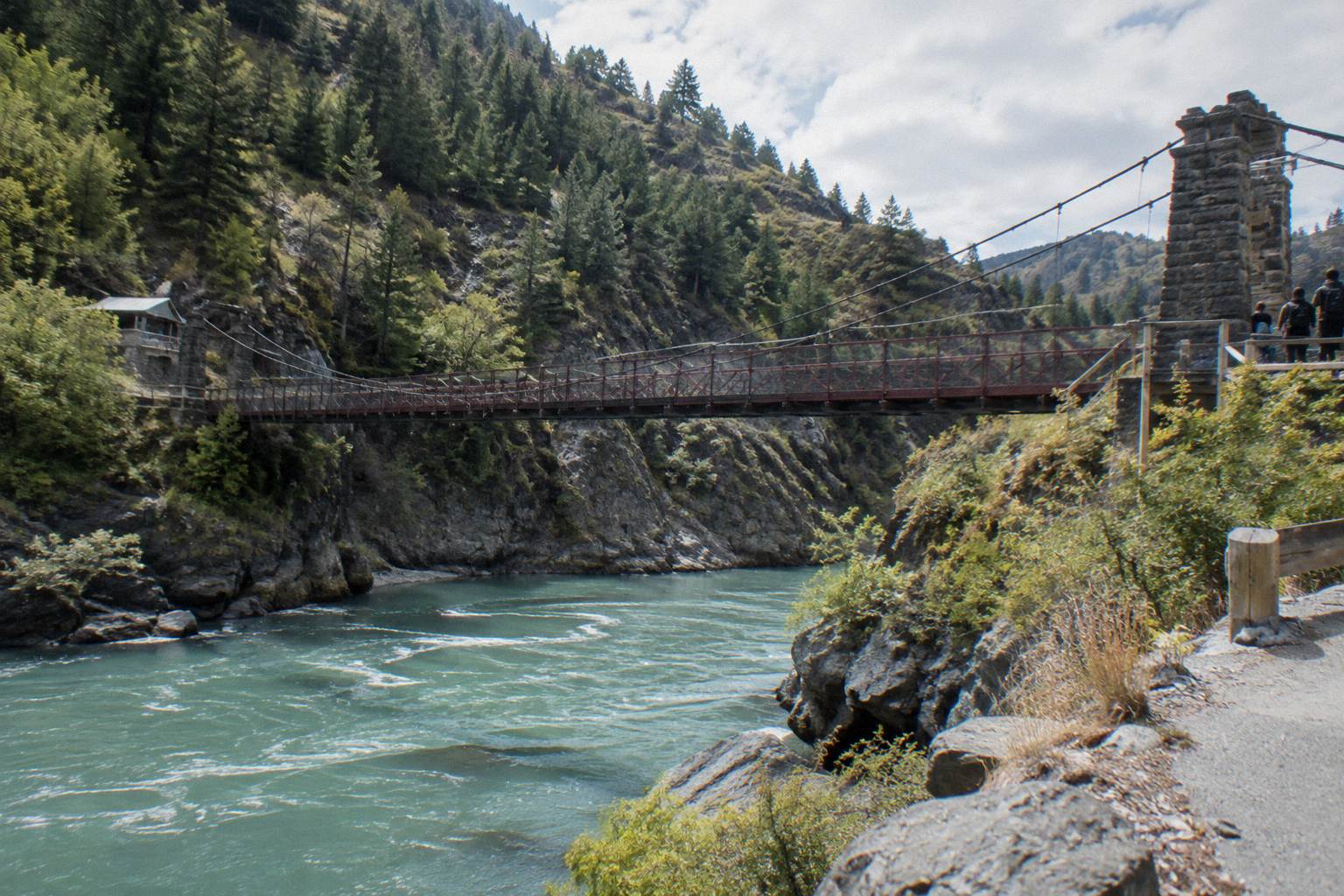
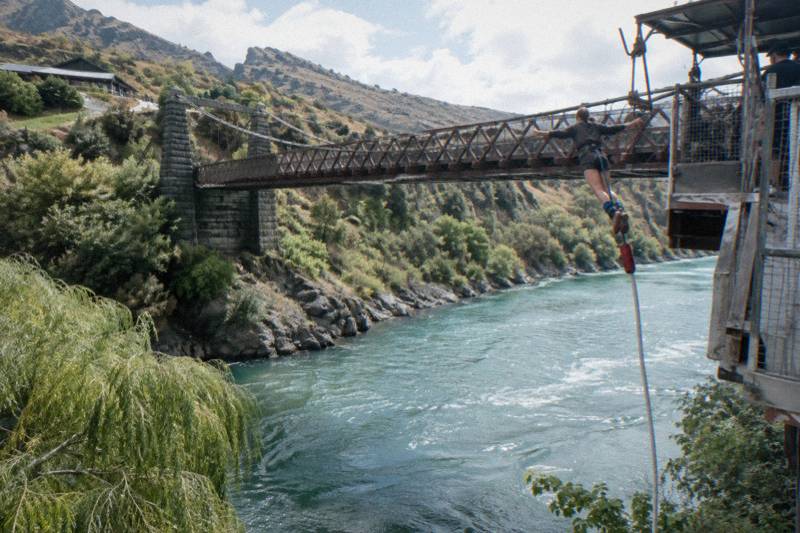
The most famous bungee jump in New Zealand is the Kawarau Bridge bungy in the Gibbston Valley, about 25 minutes from Queenstown. Opened in November 1988 by AJ Hackett Bungy, it was the world's first commercial bungy jump, and the operator calls the site the birth of adventure tourism in New Zealand. The 43 m jump from a historic bridge over the Kawarau River still runs today, from NZD 320 for adults.
What can be said plainly is this: when people talk about "the" New Zealand bungy, the one in the photographs and the history books, they are almost always talking about the Kawarau Bridge. It is the jump that has been running the longest, from the site the operator itself brands "World Home of Bungy" and "the original", wording that belongs to the company and is repeated here as its claim, not as an independent verdict.
The story is genuinely part of the fame. AJ Hackett and Henry van Asch developed the bungy cord, and, in the company's own telling, AJ Hackett jumped off the Eiffel Tower in June 1987, the stunt that put bungy in front of the world before a single paying customer had jumped in New Zealand. Then, in November 1988, the first commercial bungy operation opened at the Kawarau Bridge, charging NZD 75 a jump at the time. A fuller history of the Queenstown bungy story sits on this site's homepage, covering both eras.
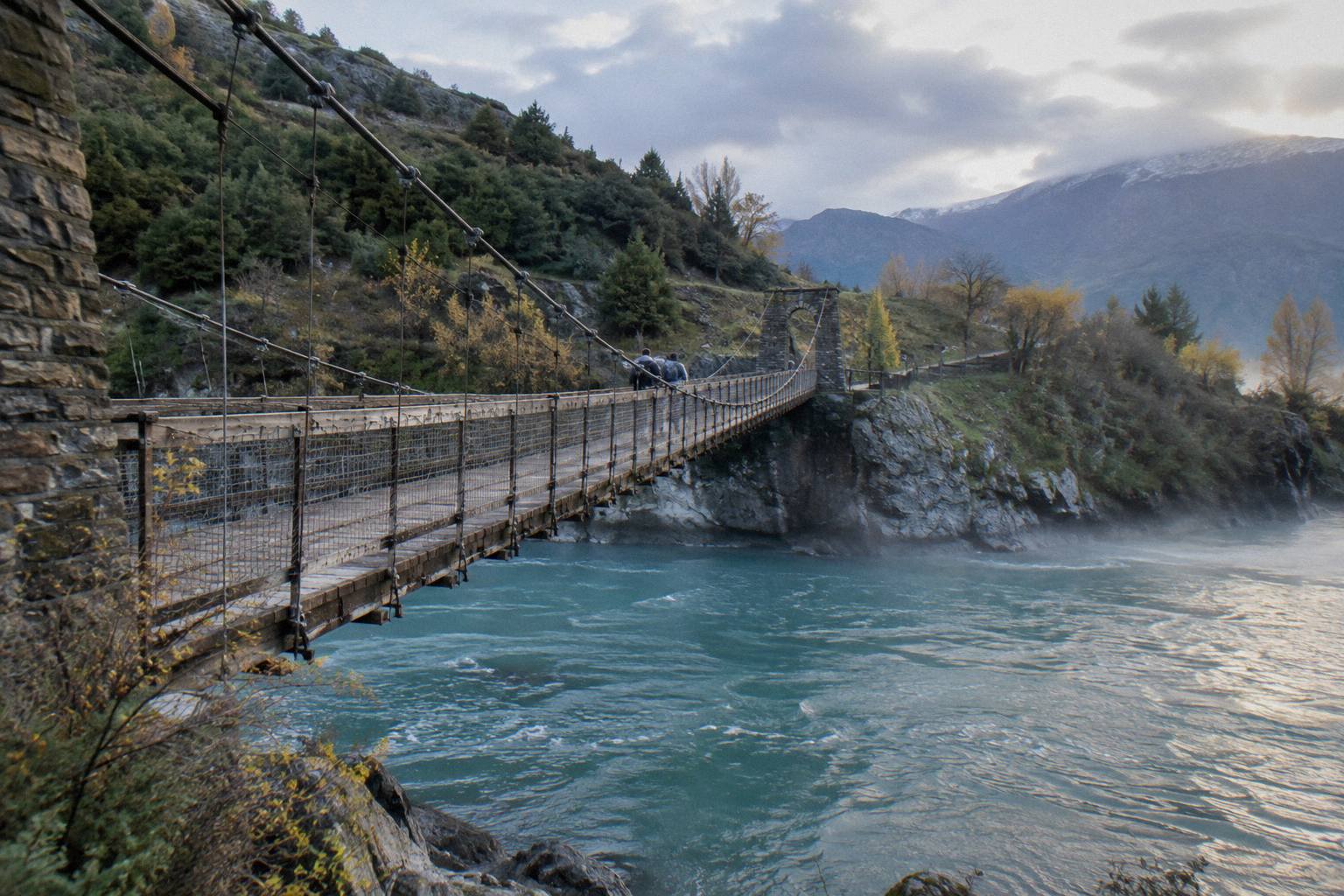
The operator tells the history on its own about page, and the Kawarau Bridge page carries the "World Home of Bungy" branding. Those claims stay attributed. What is not in dispute is the basic fact: a bridge in the Gibbston Valley has been sending jumpers into the air since 1988, continuously, under one operator, and that continuity is the foundation of its fame.
If you are weighing a booking, these are the three options most worth a look: the original bridge jump itself, the far bigger Nevis, and the combo that pairs the bridge bungy with the Kawarau swing.
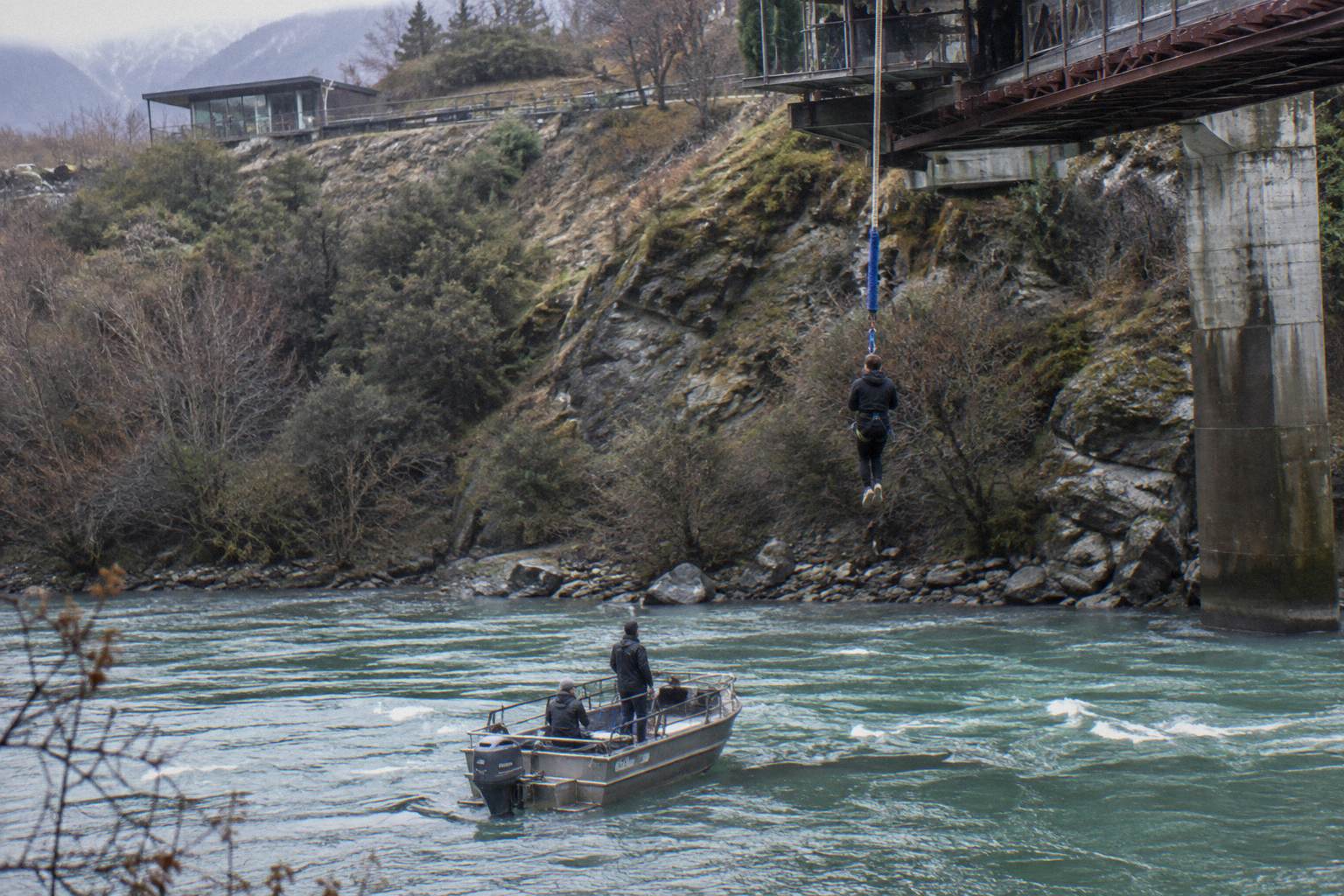
The bridge jump itself is a 43 m, or 141 ft, drop with a tandem option and the well known water touch, where the crew can set the cord so you dip toward the river. The water touch is not guaranteed; it depends on the river level and is at the crew's discretion on the day. The jump is rated 4.9 by guests, though no review count is available, so treat that number with appropriate caution. After the jump you are lowered into a boat below the bridge, which is part of what makes the site's recovery different from the operator's other locations.
Why Did The Kawarau Bridge Become So Famous?
The Kawarau Bridge became famous because AJ Hackett's illegal jump from the Eiffel Tower in June 1987 put bungy jumping in front of a global audience, and the November 1988 opening here converted that attention into the world's first commercial bungy operation. Nearly four decades of continuous jumps from the same span then turned a stunt into an institution.
The sequencing matters. A jump from a Paris landmark gave the idea celebrity; a working business at a New Zealand bridge gave it legitimacy. The operator says its code of practice was instigated in 1990 and is now an industry standard for Australia and New Zealand, which is the company's own account of how quickly the operation moved from spectacle to system.
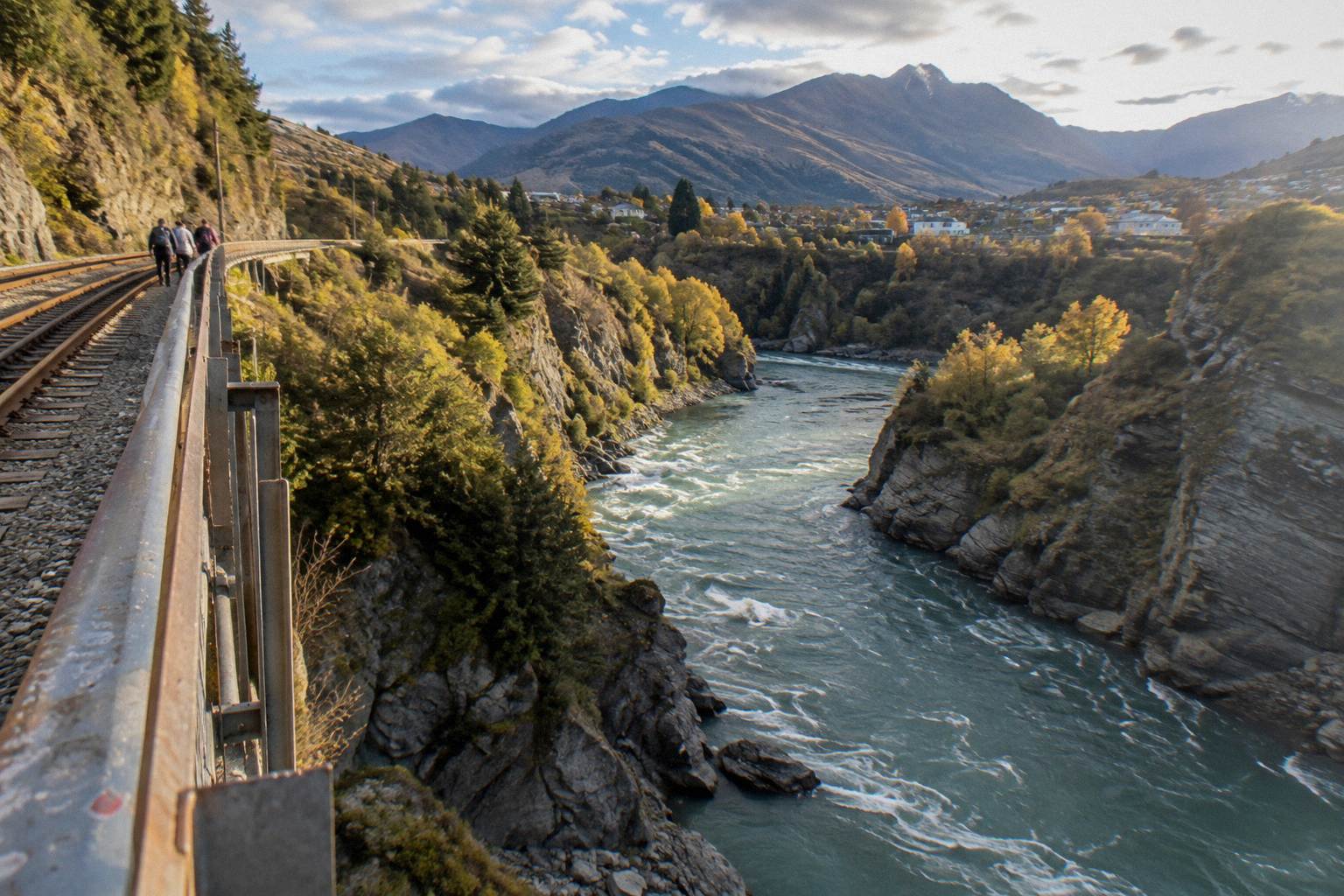
Then there is the simple fact of repetition. The bridge has been photographed, filmed and jumped continuously since 1988, and every one of those years added to the pile of images people associate with New Zealand adventure. The Gibbston Valley location helps too: the bridge is on State Highway 6, at 1693 Gibbston Highway per the operator's FAQ, about 23 km and 25 minutes from Queenstown, with free parking, so it sits directly on the route travellers already drive between Queenstown and Cromwell, 27 km and 30 minutes further on.
The 43m Bungy, World's First, the bookable version of the bridge jump, takes about 1.5 hours if you self-drive and 2.5 hours if you take the operator's free Bungy Bus from central Queenstown. Spectators watch for free at Kawarau, which no other Queenstown bungy site offers on the same terms; at Nevis a spectator spot is NZD 50 for adults and free for under 10s. That free spectator access has quietly done a lot for the bridge's fame, because it means generations of travellers have stood on the banks and watched friends and strangers jump.
Practical detail from the operator's FAQ: check in 15 minutes before your jump, or 30 minutes before Bungy Bus departure from the Queenstown Bungy Centre at the corner of Shotover and Camp Streets. Kawarau is open daily including public holidays, closed Christmas Day, 8:30am to 5:00pm from October to April and 9:00am to 4:30pm from May to September, with the last jump 30 minutes before closing.
“Amazing experience all around. The staff were fantastic and the pictures and videos they capture are incredible!”
How Does The Nevis Compare For Fame?
The Nevis Bungy is the other contender for New Zealand's most famous jump, and it earns that fame on sheer size rather than history. At 134 m (439 ft), it is what the operator calls the highest in New Zealand, with a stated 8.5 second plunge and a 5.0 rating across 122 reviews, the strongest review pool of any product covered here, though it opened decades after the bridge and has no founding story to match.
The two sites make fame in opposite ways. The Kawarau Bridge is famous for being first: the original, the birthplace, the bridge in the old photographs. The Nevis, reached by a 4WD Bungy Bus over private land, a 45-minute ride each way with no self-drive access, is famous for scale. The jump is made from a cable car pod suspended over the canyon, in the operator's own wording, and the 8.5 second freefall is the single most quoted number in New Zealand bungy marketing. Details of the site and jump are on the operator's Nevis Bungy page.
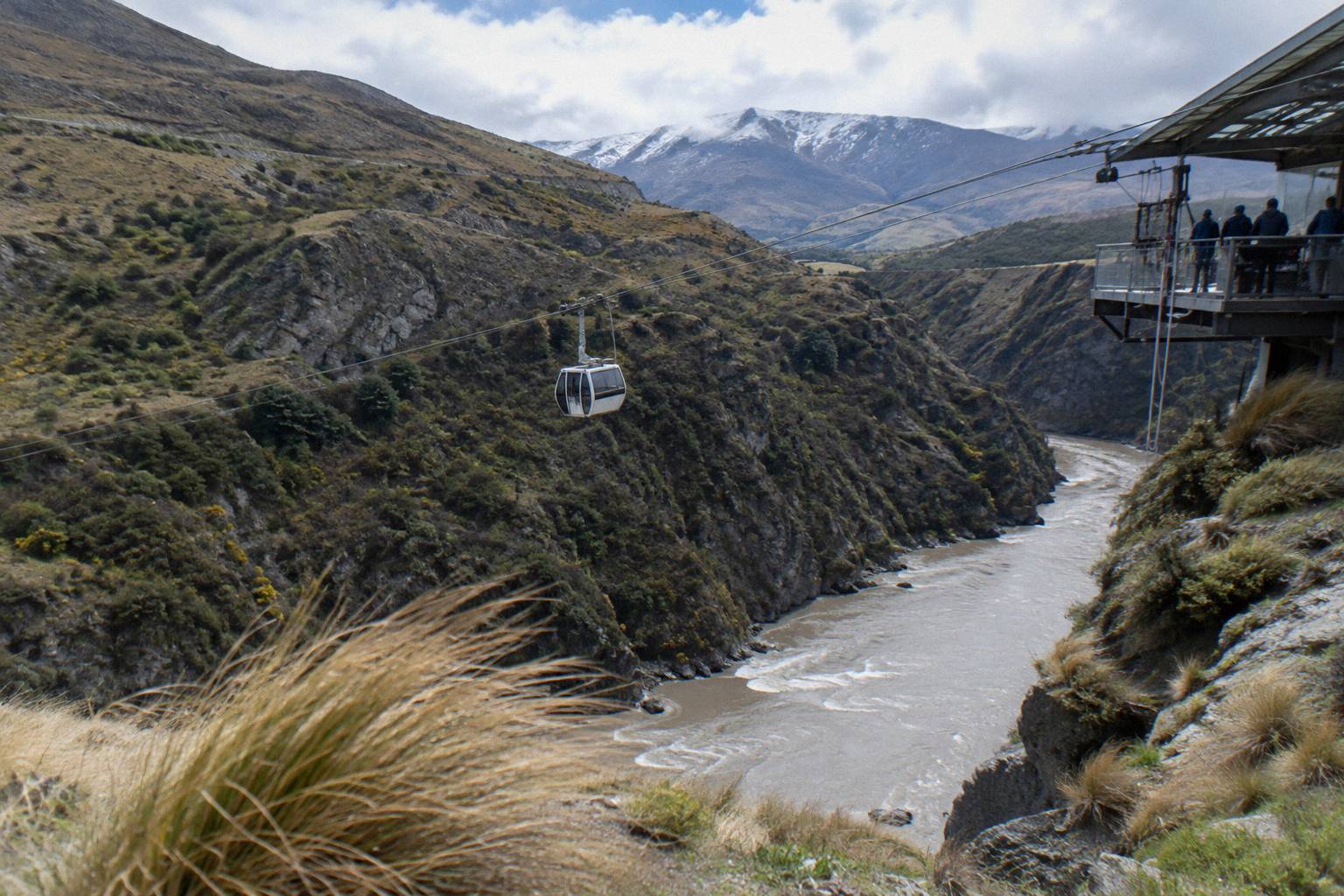
A trip to Nevis takes about 3.5 to 4 hours in total, since the operator's pages say 3.5 hours and its transport text says 4. The operator's price is from NZD 395 for adults and children alike, with no lower child price. The minimum age is 13 and the weight range is 45 to 127 kg, stricter than the bridge on both counts. Booking guidance from the operator: allow 4 to 6 weeks ahead in summer, with the peak running 15 December to 15 January and the busiest days 30 December to 2 January.
If the fame question is really a booking question in disguise, the honest framing is this: jump the bridge for the history and the classic photographs, jump the Nevis for the biggest drop in the country. Plenty of visitors do both; the operator sells a Nevis Bungy plus Kawarau Bungy combo at its price from NZD 620... correction, from NZD 615, per its combos page. Many people also plan the trip around the wider choice between Queenstown's bungy sites, since the two jumps feel nothing alike.
The Nevis site also hosts the swing and catapult. The Nevis Swing covers a 300 m, or 984 ft, arc, which the operator calls the "Most Famous Swing in the World", its wording again. The Nevis Catapult, the operator says, propels riders 150 m, or 492 ft, with "up to 3Gs". Those rides are part of the Nevis playground's reputation, but the bungy is the reason most people make the drive.
Where Do The Ledge And The Other Sites Fit In?
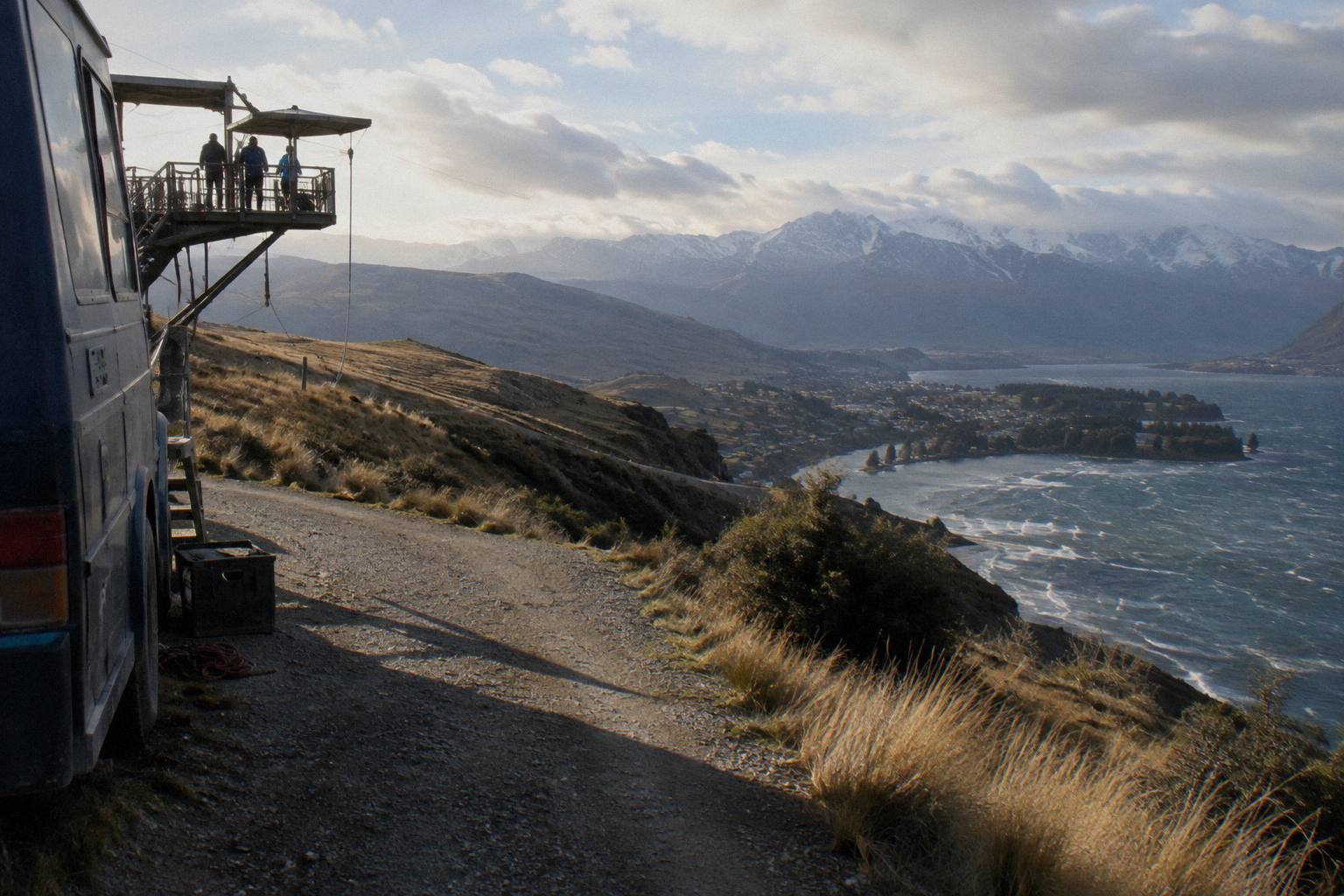
The Ledge matters to the fame question mainly because it extends the operator's reach across Queenstown: the ticket office is at the top of Brecon Street, a 5-minute walk from downtown, with the gondola bought separately from Skyline. Per the operator's FAQ, Ledge Bungy prices start from NZD 240 and Ledge Swing from NZD 210, gondola not included. But it is not open now, it has no booking through this site, and its reopening carries no date beyond "summer 26/27" per the operator. Anyone curious should check the operator's page for status rather than plan around it. The wider set of guides lives on Queenstown Bungy Jump.
There is one other name that comes up in conversations about famous Queenstown jumps: the Shotover Canyon Swing, run by a separate business. Within bungy specifically, no operator other than AJ Hackett Bungy was found in Queenstown.
For a sense of how the three sites stack up on paper, here are the operator's own numbers side by side:
| Site | Signature jump | Height | Status | Operator price from |
|---|---|---|---|---|
| Kawarau Bridge | 43m Bungy, World's First | 43 m / 141 ft | Bookable | NZD 320 adult, NZD 280 child |
| Nevis | 134m Bungy, New Zealand's Biggest | 134 m / 439 ft | Bookable | NZD 395 adult and child |
| The Ledge | Ledge Bungy | 47 m / 154 ft | Reopening summer 26/27, per the operator | NZD 240 (FAQ text; not bookable) |
What Does Jumping The Famous One Cost And Involve?
The famous bridge jump costs from NZD 320 per adult and NZD 280 per child, while the Nevis starts at NZD 395 with no child price, and a Bungy and Swing combo runs from NZD 460; the operator discounts multi-activity bookings by NZD 50 per activity for two or more, or NZD 70 per activity for three or more, and prices shift by date and time.
Eligibility differs between the families, and mixing them up is the fastest way to a disappointed traveller. The bridge takes jumpers from age 10 and 35 to 160 kg, with a tandem option carrying a combined maximum of 235 kg and a weight difference of at most 30 kg between partners; the solo and tandem maximum drops to 130 kg when the river is high. The Nevis takes ages 13 and up, 45 to 127 kg. Under 18s need adult consent at check-in, and under 14s need an adult aged 18 or over on site, who does not have to jump.
| Product | Min age | Weight range | Total time | Rating |
|---|---|---|---|---|
| 43m Bungy, World's First | 10 | 35 to 160 kg (130 kg max in high river) | 1.5 h self-drive, 2.5 h by bus | 4.9, no count stated |
| 134m Bungy, New Zealand's Biggest | 13 | 45 to 127 kg | About 3.5 to 4 h | 5.0 across 122 reviews |
| Kawarau Combo, Bungy & Swing | 10 | 35 to 150 kg | 1.5 to 2.5 h | Not stated |
| Nevis Combo, Bungy & Swing | 13 | 45 to 127 kg | About 4 h | 5.0, no count stated |
Booking direct with the operator includes photos, video and an activity t-shirt, per its FAQ, with the operator's words on delivery being "instant delivery to your device". Cancellation is straightforward and worth knowing before you pay: cancel or change more than 24 hours ahead and it is fully refundable, minus a 1.99% card transaction fee that is non-refundable either way. Inside 24 hours, a no-show, or standing on the platform and deciding not to jump, is non-refundable. The rules are stated on the operator's FAQ page.
Weather rarely stops the operation; the operator runs in most weather including rain, and if weather or safety does stop your jump you can transfer, reschedule or take a full refund. Weather can also change the operating weight ranges, and the crew assesses each jumper on the day. Anyone with a medical condition on the operator's list, from high blood pressure to recent sprains, should check with a doctor and tell the crew when booking; the operator runs a dedicated health list, and unanswered questions go to 0800 286 4958 or +64 3 450 1300.
Common Mistakes When Choosing A Famous Bungy
The most common mistake is assuming the most famous jump fits everyone. Travellers book the bridge expecting the country's biggest drop, choose the Nevis without knowing it excludes younger kids and lighter jumpers, plan around the Ledge even though it is not currently bookable, or treat the Kawarau water touch as guaranteed when it depends on river level and crew discretion, so match the site to your group and your reason for jumping.
The concrete traps are easy to list. Age and weight: a family with a 10-year-old can jump the bridge but not the Nevis, and anyone under 45 kg is outside the Nevis range entirely. Time: the bridge can fit into a 1.5-hour window if you drive, while Nevis is half a day. Season: peak runs 15 December to 15 January, and the operator advises 4 to 6 weeks ahead for a summer Nevis booking; outside peak, about 48 hours is usually enough. Footwear and eyesight get less attention but matter too: glasses cannot be worn, and the operator's safety page says prescription safety goggles are available free of charge.
“If you're in Queenstown, do this! You will NOT regret it. So glad I overcame any fears, thanks to the wonderful staff at AJ Hackett, and can say I've bungy jumped off the highest ledge in New Zealand.”
First-timers nervous about the whole idea may find the bridge the gentler entry point, and there is a fuller first-time bungy walkthrough on this site covering check-in, the harness and the platform. If a fear of heights is the real question, the fear-of-heights guide addresses it directly. And if the plan is to build a whole day around the jump rather than just fit it in, the Queenstown bungy day itinerary sequences the bridge, the Gibbston Valley and the drive realistically.
One last money mistake: paying for two activities separately when the operator's own discount rule takes NZD 50 off per activity when you book two or more nationwide, rising to NZD 70 per activity for three or more, with the Zipride excluded. The combo prices already bundle some of that saving; the operator says its Kawarau Bungy and Swing combo saves against the parts, and its Nevis Thrillogy is listed with a NZD 210 saving. Read the operator's combos page before booking anything twice.
Whichever site you choose, the fame question answers itself once you are clear on what you want the jump to be. The bridge delivers history, accessibility and the photograph everyone recognises. The Nevis delivers the biggest drop in the country and the longest freefall. Both belong to the same operator, both include photos, video and a t-shirt when booked direct, and both carry the same 24-hour cancellation rule.
Common Questions About The Most Famous Bungee Jump In New Zealand
What Is The Most Famous Bungee Jump In New Zealand?
The Kawarau Bridge bungy near Queenstown. According to the operator, it was the world's first commercial bungy, opening in November 1988 at NZD 75 a jump, and the company calls the bridge "recognised as the birth of adventure tourism in New Zealand". It runs today at the operator's price from NZD 320 for adults.
Is The Nevis Higher Than The Kawarau Bridge Bungy?
Yes. The Nevis Bungy is 134 m, or 439 ft, which the operator calls the highest in New Zealand, with an 8.5 second plunge that is the operator's figure. The Kawarau Bridge Bungy is 43 m, or 141 ft. Freefall seconds for the Kawarau jump are not stated anywhere in the operator's material.
Which New Zealand Bungy Should A First-Timer Choose?
It depends on the group. The bridge takes ages 10 and up and 35 to 160 kg, with a tandem option, free spectators and a 1.5-hour self-drive time budget. The Nevis takes ages 13 and up, 45 to 127 kg, and about 3.5 to 4 hours all in. Both carry the operator's 24-hour cancellation rule.
Was Bungee Jumping Invented In New Zealand?
The commercial version, effectively yes: the operator says the first commercial bungy opened at the Kawarau Bridge in November 1988, after AJ Hackett and Henry van Asch developed the bungy cord and, in the company's telling, AJ Hackett jumped the Eiffel Tower in June 1987. The land jump tradition itself predates that by centuries elsewhere.
Can You Book The Ledge Bungy In Queenstown?
Not through this site. The operator lists the Ledge Bungy and Ledge Swing as reopening for summer 26/27, with a waitlist and no price in its booking widget. Its FAQ text lists Ledge Bungy from NZD 240 and Ledge Swing from NZD 210, gondola not included. Check the operator's page for current status.
Do You Get Photos And Video With The Famous Bridge Jump?
Yes, when booking direct. The operator says the price of the Kawarau and Nevis activities includes photos and video with "instant delivery to your device", plus an activity t-shirt. No separate camera price is stated, and no promise is made here about what the footage looks like.