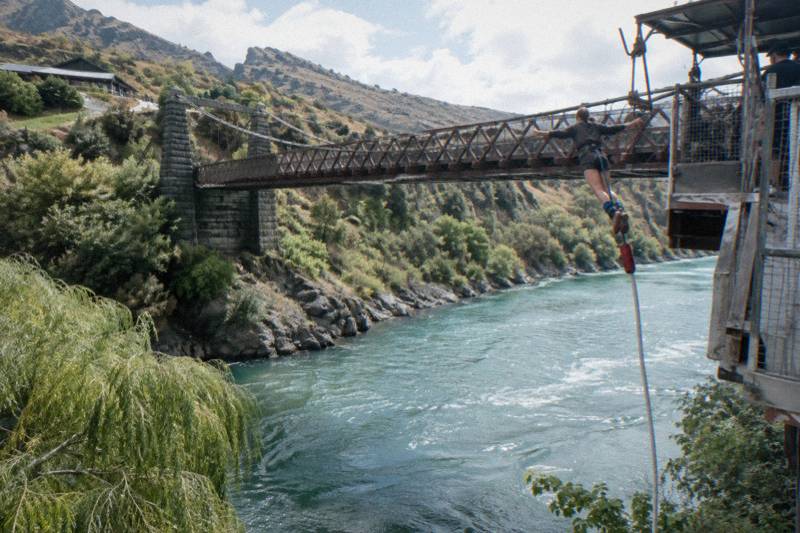
Why Do So Many People Choose To Bungee Jump Off The Kawarau Bridge In New Zealand?
The reasons the Kawarau Bridge draws bungy jumpers, from its 1988 origin story to its 43 m drop, easy access and price from NZD 320.
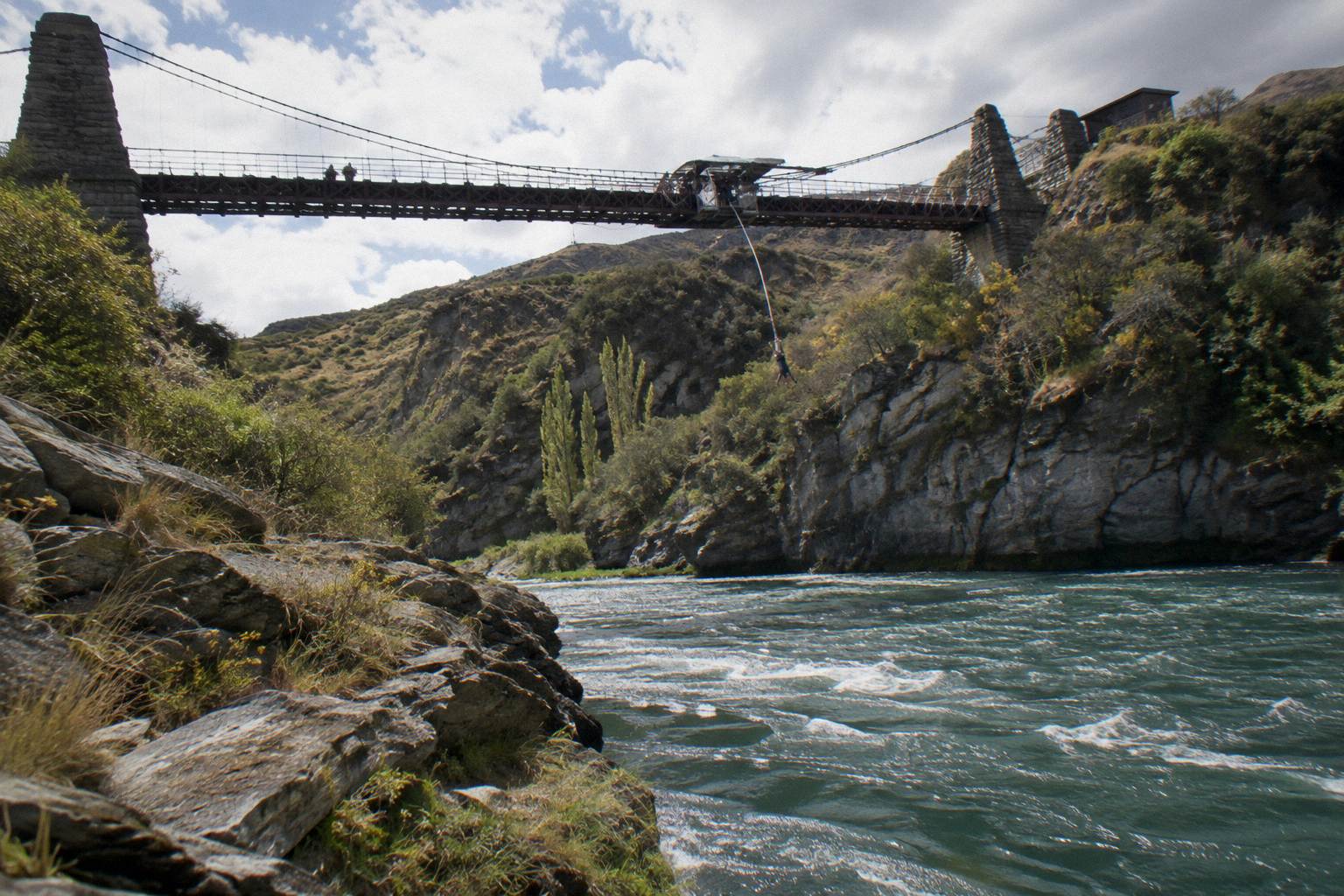
People choose the Kawarau Bridge because it is, in the operator's own words, the original: the first commercial bungy jump anywhere, opened in November 1988 at NZD 75 a jump. The drop is 43 m over the Kawarau River, the site sits about 25 minutes from Queenstown, and the operator's price starts from NZD 320 for adults. Few places let a jumper step off a piece of adventure-tourism history for that mix of access, price and story.
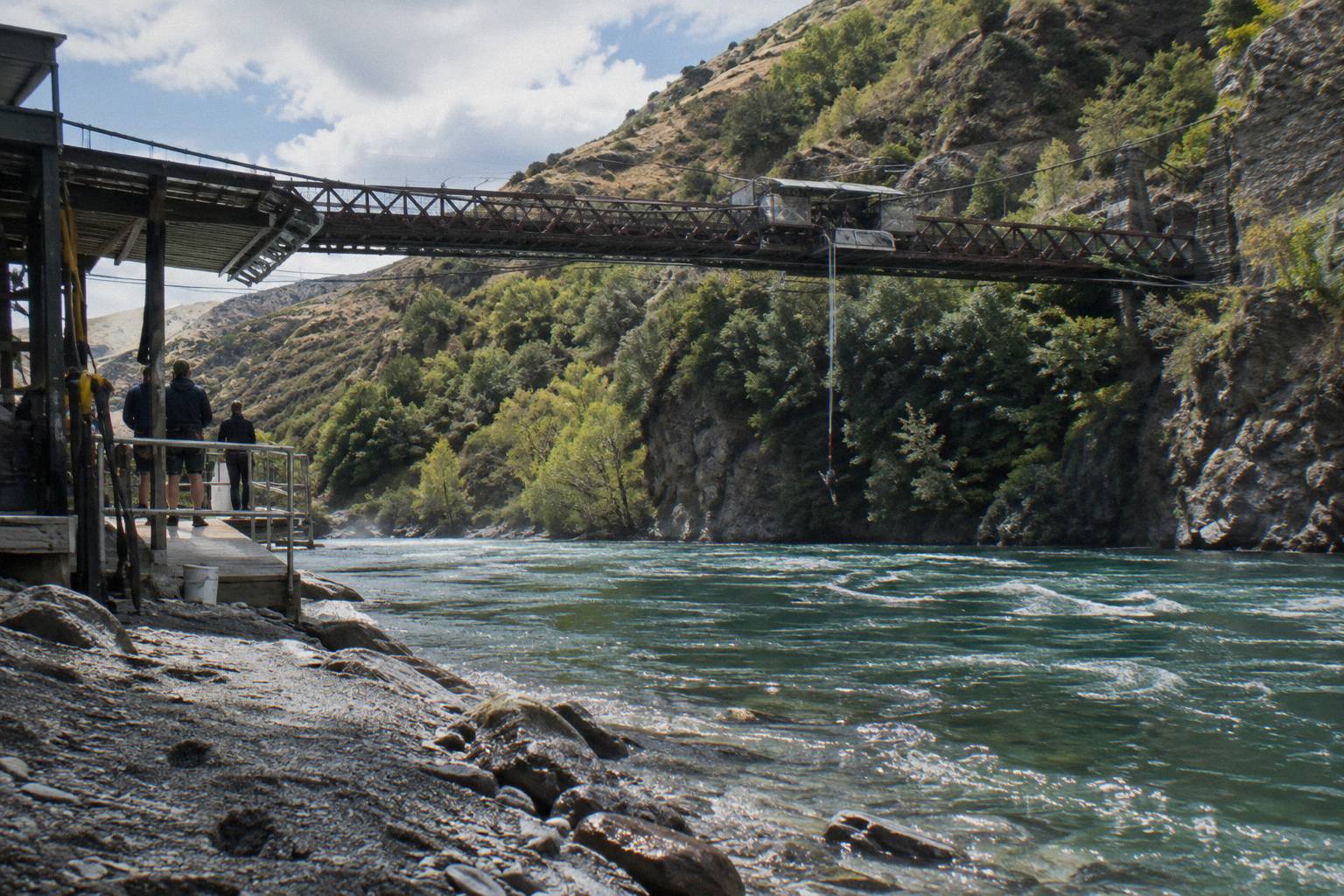
The origin story is the bridge's biggest draw, and it belongs to the operator's own telling. According to the operator, AJ Hackett and Henry van Asch developed the bungy cord, and AJ Hackett jumped the Eiffel Tower in June 1987 as a publicity stunt before the company ever charged a customer. The first commercial bungy opened at the Kawarau Bridge in November 1988, and the company has traded on "since 1988" ever since. It calls the bridge "recognised as the birth of adventure tourism in New Zealand", a claim worth repeating only as the operator's own, which is exactly how it is meant here. You can read the full account on the operator's history page.
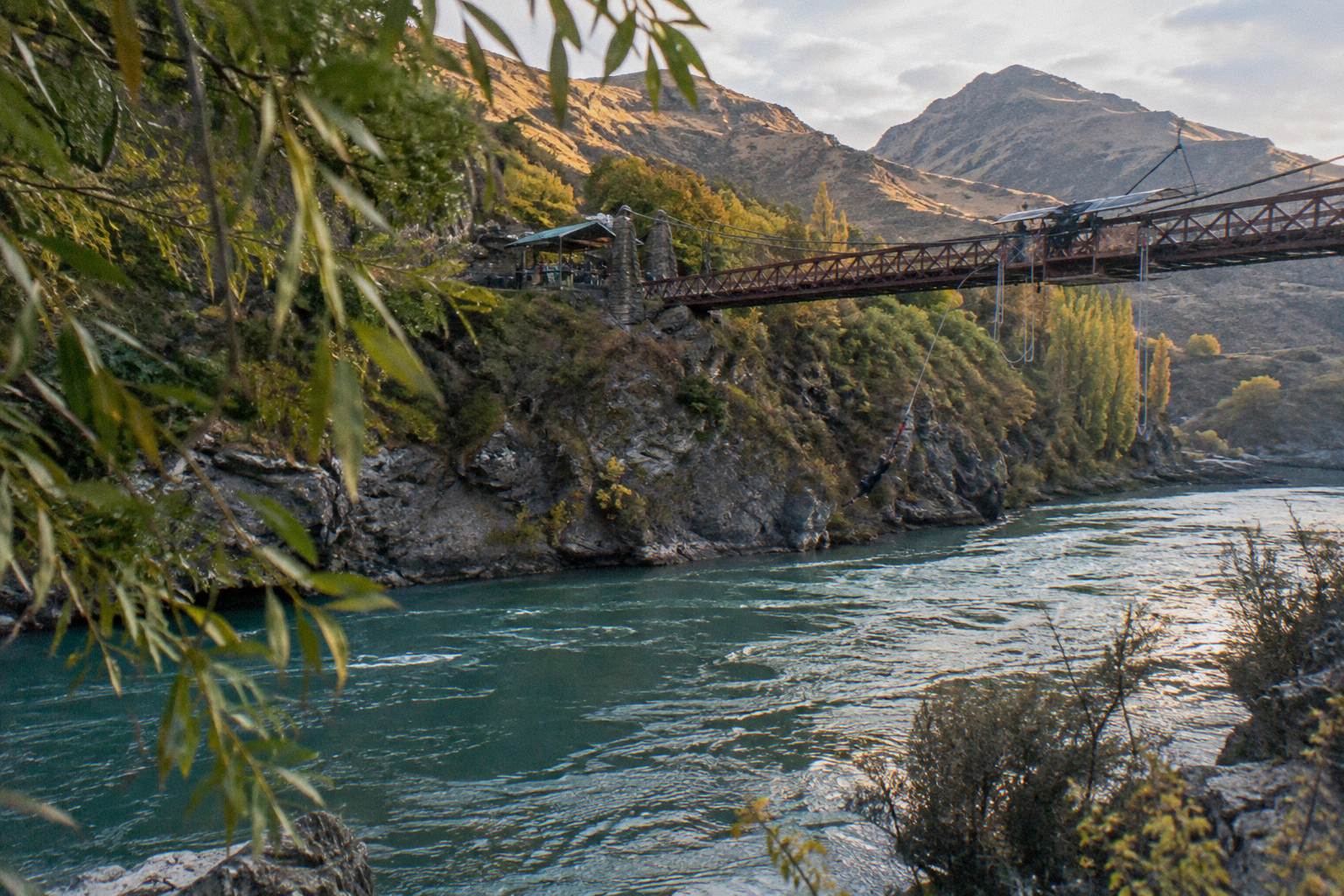
That history does something practical for a nervous first-time jumper: it makes the bridge feel proven rather than experimental. The operator also says its code of practice was instigated in 1990 and is now an industry standard for Australia and New Zealand, which again is the company's own account of itself, printed on the operator's safety page. A jumper standing on the platform in 2026 is standing on nearly four decades of the same operation at the same spot, run by the same company. No other Queenstown site can say that, because the operator's two other locations, the Nevis Playground and The Ledge at the Skyline Gondola, came later. The Ledge is reopening for summer 26/27, per the operator, and is not currently bookable.
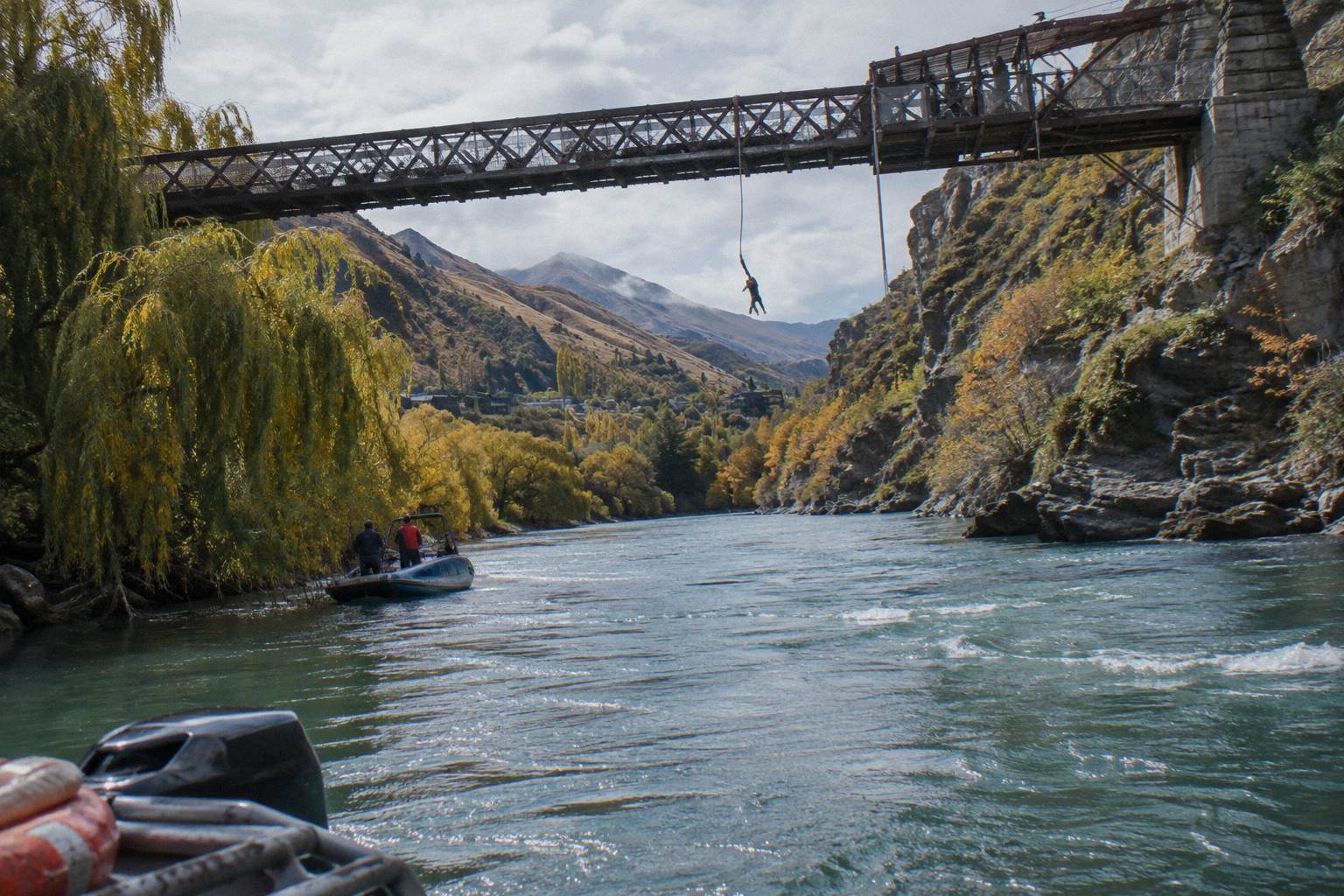
There is also the matter of what the jump itself is. The drop is 43 m, or 141 ft, and the operator offers a water touch option, which depends on river level and crew discretion and is never guaranteed. Recovery is its own piece of theatre: at Kawarau, jumpers are lowered into a boat waiting on the river, rather than being winched back up to the platform as happens at Nevis. The full picture of the site, its tandem options and its check-in routine is in the guide to the Kawarau Bridge Bungy.
“Bought the experience for my 17 year old son. The staff were very professional, friendly and ensured he absolutely loved it. So much so, he went out and booked the 134m bungy immediately after he finished.”
The bridge also happens to be the gentlest on-ramp in practical terms, which is the second half of the answer. It is the cheapest of the operator's bungy jumps, the youngest minimum age at 10 years, the widest weight range at 35 to 160 kg, and the only site you can simply drive to and park at. The sections below take each of those reasons in turn.
What Makes The 43 M Drop At Kawarau So Approachable?
The 43 m height is the operator's sweet spot: tall enough to be a genuine bungy, short enough that the mental hurdle is manageable, and open to jumpers from age 10 and 35 to 160 kg. The operator's price is from NZD 320 adult and NZD 280 child, the lowest bungy entry point it offers. Compared with the Nevis at 134 m, ages 13 and up and from NZD 395, Kawarau lets more people through the gate.
The numbers do most of the persuading here, so it helps to see the two bookable bungy families side by side. One operator, AJ Hackett Bungy NZ, runs both, and the limits below come straight from its pages.
| Kawarau Bridge Bungy | Nevis Bungy | |
|---|---|---|
| Height | 43 m / 141 ft | 134 m / 439 ft |
| Minimum age | 10 | 13 |
| Weight range | 35 to 160 kg | 45 to 127 kg |
| Operator price, adult | from NZD 320 | from NZD 395 |
| Time to allow | 1.5 h self-drive, 2.5 h by bus | about 3.5 to 4 hours |
| Getting there | self-drive or free Bungy Bus | 4WD Bungy Bus only, included |
| Tandem | yes, combined max 235 kg | Not stated |
| Recovery | lowered to a boat | lifted back to the platform |
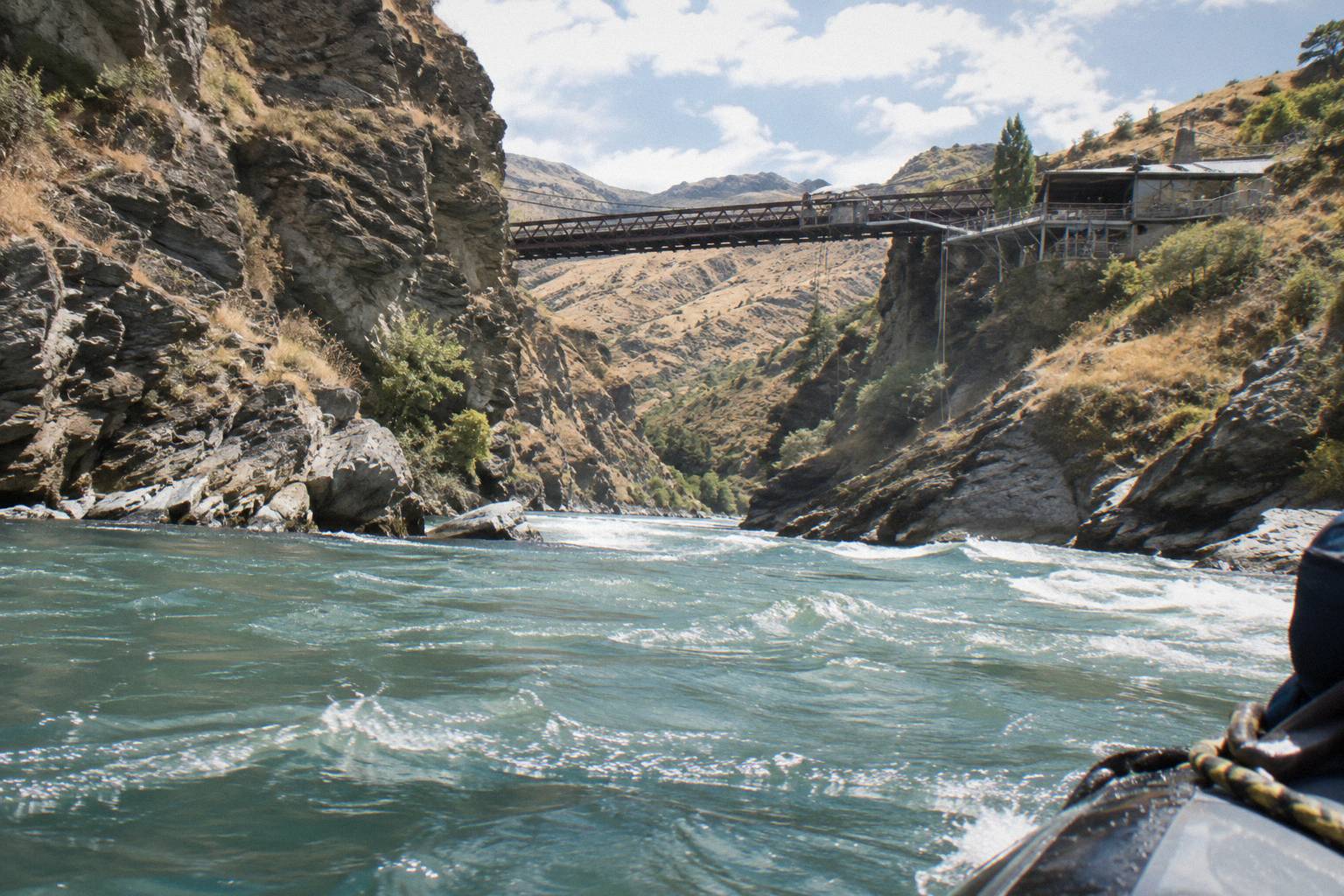
The tandem option deserves its own mention because it explains a lot of the bridge's appeal to families and couples. Kawarau allows tandem jumps with a combined maximum of 235 kg and a weight difference of at most 30 kg between the two jumpers, limits stated on the operator's Kawarau Bridge page. A parent and a teenager can jump together. The Nevis, by contrast, has no tandem option stated anywhere in the operator's material. Tandem also changes the psychology of the day: two people can book one slot and commit together, which is why the bridge features so often in couples and group bungy plans.
Age is the other quiet decider. At 10 years minimum, Kawarau is open to children the Nevis cannot take, and under 18s need adult consent at check-in, while under 14s need an adult aged 18 or over on site, who does not have to take part. That makes the bridge the natural choice for a family trip, and there is more detail in the guide to bungy jumping with kids in Queenstown. The rating attached to the product, 4.9 with no review count stated, sits beside it on the booking page.
For a first jump in particular, the height question is mostly a nerves question, and 43 m sits in a band many people can talk themselves into. If you are working through that, the guide to your first bungy jump and the one on jumping with a fear of heights walk through what the operator says happens on the day.
How Easy Is It To Get To The Kawarau Bridge?
Very easy, and that is a real part of the answer. The Kawarau Bungy Centre sits on SH6 in Gibbston Valley, about 25 minutes and 23 km from Queenstown, with free parking and free spectators. Allow 1.5 hours self-driving or 2.5 hours on the free Bungy Bus, which leaves from The Station building at the corner of Shotover and Camp Streets in central Queenstown.
The contrast with the operator's other site is stark. The Nevis Playground sits on private land where self-drive is not possible at all: every jumper arrives by 4WD Bungy Bus, a 45-minute ride each way, included in the price, and the whole trip runs about 3.5 to 4 hours. Kawarau, meanwhile, is a short drive through the Gibbston Valley on the road to Cromwell, which is 30 minutes and 27 km further on. A jumper with a rental car can be back in Queenstown within the 1.5 hour window the operator suggests. That difference shapes whole itineraries: a Nevis morning is a half-day commitment wrapped around bus transfers, while a Kawarau slot slots neatly between other plans, and the operator's own time budgets, printed on its pages, say as much. More of these guides are collected on Queenstown Bungy Jump.
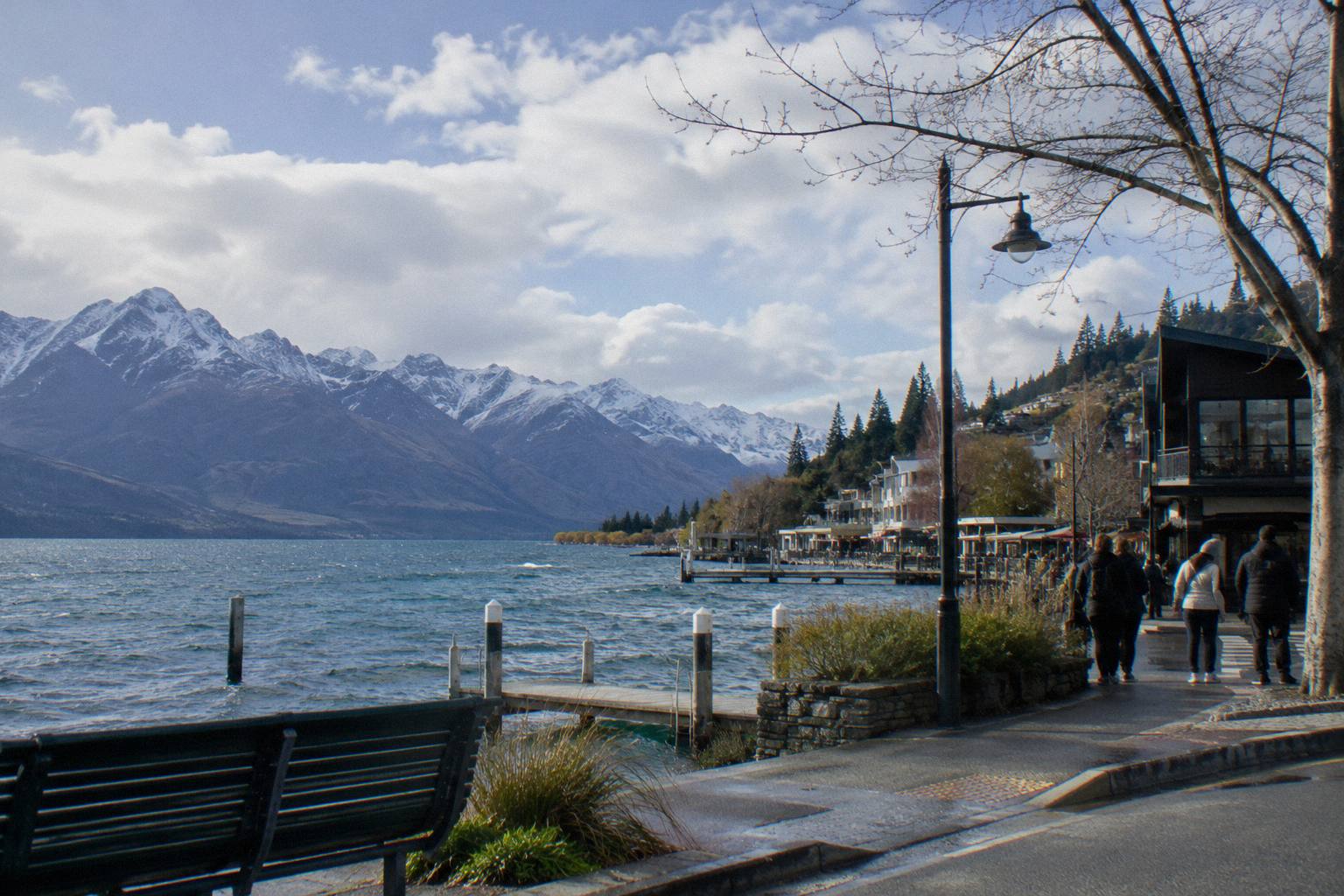
The Bungy Bus is free but has limited seats, and you check in 30 minutes before departure. Hours at Kawarau run daily, including public holidays, closed only Christmas Day: October to April 8:30am to 5:00pm, May to September 9:00am to 4:30pm, with the last jump 30 minutes before closing and check-in 15 minutes before your jump. The timings and the bus stop are covered in more depth in the guide to getting to Kawarau Bridge from Queenstown.
Free spectator access matters more than it sounds. At Nevis, a spectator spot costs NZD 50 for adults and is free for under 10s. At Kawarau, anyone can stand on the bank and watch, which turns a single person's jump into something a whole travelling group can share. That, plus the fact that the price of the jump includes photos, video with instant delivery to your device and an activity t-shirt, per the operator, makes the bridge the sociable option.
What Does It Cost, And What Is Included?
The operator's price for the Kawarau Bridge Bungy is from NZD 320 adult and NZD 280 child, and the price includes photos, video and an activity t-shirt when you book direct. Combos bring the other activities in: Kawarau Bungy plus Swing is from NZD 460 adult, and the operator says multi-activity discounts of NZD 50 or NZD 70 per activity apply nationwide. Prices change by date and time, so treat every figure as a starting point.
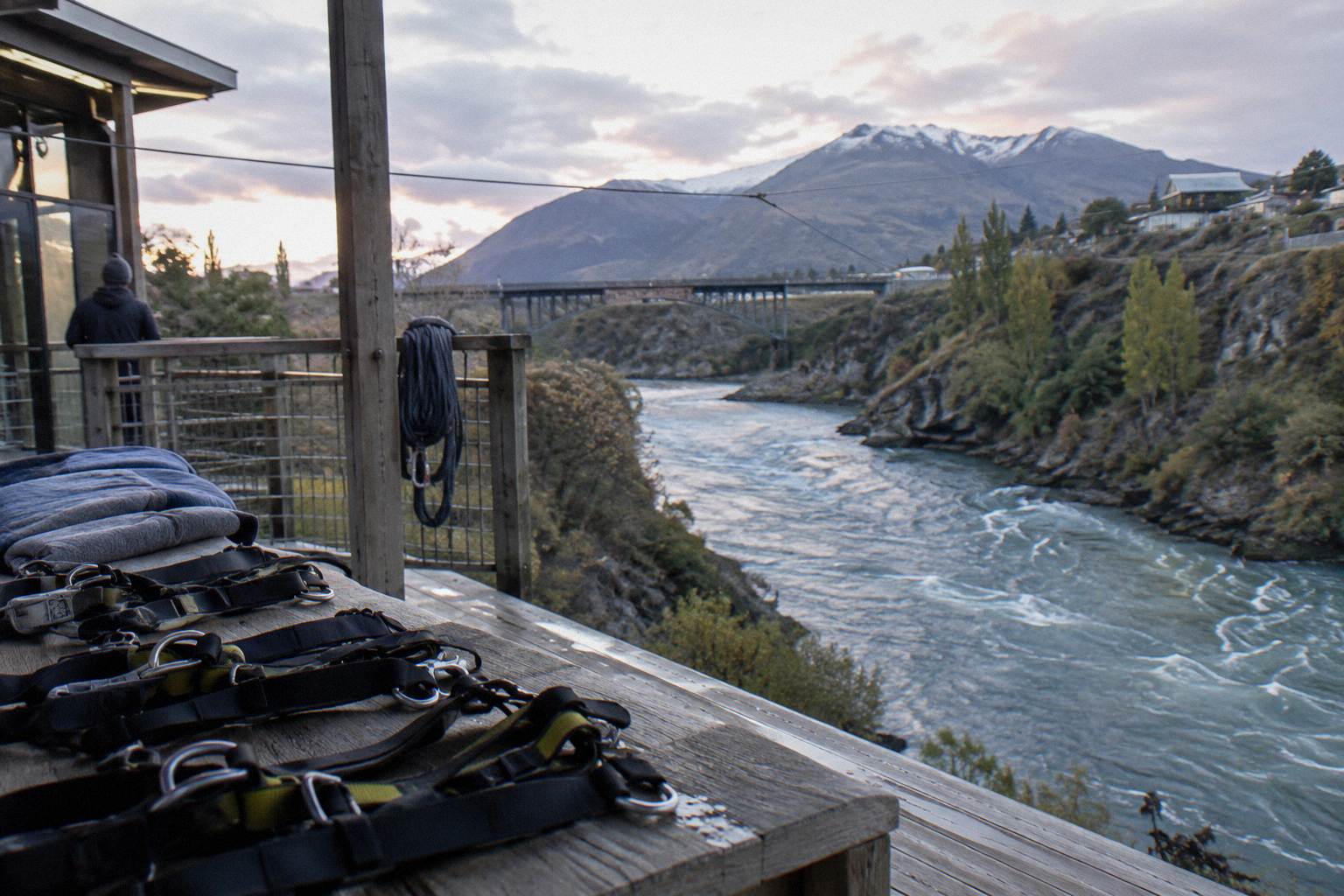
The pricing ladder at Kawarau is short enough to hold in your head, and it is all from the operator's own pages.
| Activity at Kawarau | Operator price, from | Notes |
|---|---|---|
| Bridge Bungy 43 m | NZD 320 adult / NZD 280 child | photos, video, t-shirt included |
| Kawarau Swing 43 m | NZD 240 adult / NZD 200 child | single, tandem or triple |
| Kawarau Zipride | NZD 50 | photos only, per the operator |
| Bungy + Swing combo | NZD 460 adult | bookable combo tour |
| Kawarau Thrillogy (bungy, swing, zipride) | NZD 495 | operator says save NZD 115 |
Cross-site combos exist too, for jumpers who want both bridges in one booking: Nevis Bungy plus Kawarau Bungy is from NZD 615 adult, per the operator's combos page. The operator's stacking rule is worth knowing before you book anything: two or more activities nationwide, excluding the Zipride, take NZD 50 off per activity, and three or more take NZD 70 off per activity. Repeat customers get 20% off a future single activity, excluding combos and the Zipride. Payment runs through Visa, Mastercard, EFTPOS, WeChat Pay, AliPay, UnionPay and Afterpay, so the checkout is flexible even if the discounts are not stackable with each other.
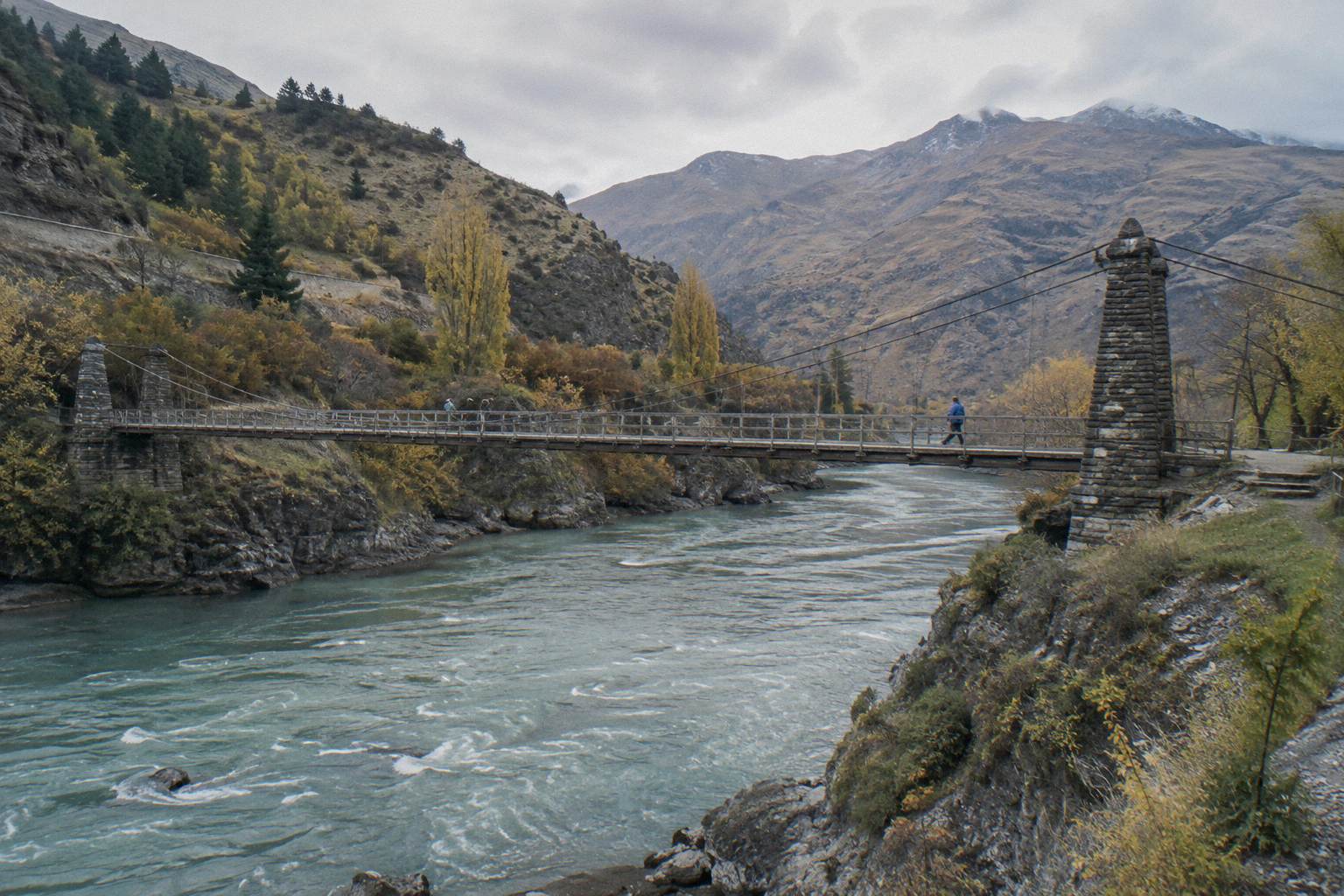
The value logic explains another slice of the bridge's pull. For a jumper who wants the story and the jump but not the full-day commitment, Kawarau delivers the original site, a boat recovery and a photogenic gorge for the lowest bungy price the operator charges anywhere. The savings the operator quotes on its own combos, NZD 115 on the Kawarau Thrillogy among them, are its figures, and the guide to Queenstown bungy combo deals compares them line by line. Jumpers who add the swing get a second ride on the same visit, which is where the Kawarau Bungy & Swing combo earns its place.
Who Can Jump, And What Does The Operator Ask About Health?
Kawarau takes jumpers from age 10 and 35 to 160 kg, with the maximum dropping to 130 kg when the river is high, and it is the operator's preferred Queenstown site for more severe mobility impairment, at its discretion. The operator asks jumpers to tell the crew about a list of conditions, from heart conditions and epilepsy to asthma, diabetes and recent sprains. Glasses cannot be worn; prescription safety goggles are free of charge per the operator's safety page.
The health list is the operator's, published on its safety and legal pages: high or low blood pressure, heart conditions, epilepsy, high myopia, broken or fractured bones, dislocations, fragile skin, neurological disorders, diabetes, asthma, prosthetics, panic or anxiety attacks and recent sprains or muscular injuries all need to be declared. Pregnant guests and people with photosensitive epilepsy cannot take part. Osteoporosis, scoliosis and recent concussion require a doctor's certificate. Nothing here amounts to a medical verdict, and none is offered.
The weight range at Kawarau, 35 to 160 kg, is the widest the operator runs anywhere in Queenstown, and the tandem ceiling of 235 kg combined is what makes parent-and-child jumps possible. Weather can change operating weight ranges and the crew assesses on the day, so the numbers are the operator's rules rather than promises. No drugs or alcohol, and the operator may test. For the full mechanics of harnesses and cords there is a guide to how the bungy cord and harness work, and the operator's FAQ answers the day-to-day questions, including consent for under 18s.
Eligibility is also why the bridge, not the Nevis, shows up on so many itineraries. A family with a 10 year old and a 12 year old has exactly one bookable bungy option in Queenstown, and it is this one. A group with a member over 127 kg likewise. The bridge's limits are not a compromise so much as the reason the question in this article's title has an answer: more people are allowed to jump at Kawarau than anywhere else the operator runs.
What Trips People Up When Booking The Kawarau Bridge?
The common mistakes are assuming the water touch is guaranteed, underestimating check-in times, expecting a Nevis-style experience at a 43 m price, and booking inside the 24 hour cancellation window. The water touch depends on river level and crew discretion. Check-in is 15 minutes before your jump, or 30 minutes before the Bungy Bus leaves. Cancelling inside 24 hours, or deciding not to jump on the day, is non-refundable.
“One of the best experiences of my young life. You must attempt this. Frightening in its own right. What an adrenaline high!”
The water touch misconception is the most widespread. It appears in the operator's marketing as an option, and it is real, but the operator is explicit that it depends on the river level on the day and the crew's discretion. A jumper who books expecting a dunk and gets a dry stop has not been shortchanged; the guide to the water touch at Kawarau explains how the crew sets the cord length. Timing errors come next: the bus is free but seats are limited, and it leaves from a specific corner, Shotover and Camp Streets, not from your hotel.
The height expectation gap is worth naming plainly. Kawarau is 43 m and the Nevis is 134 m, and the operator describes the Nevis plunge as lasting 8.5 seconds, its own figure. Kawarau's freefall seconds are not stated anywhere in the operator's material, so nothing is invented here. A jumper chasing the biggest possible drop should book the Nevis, and the comparison of which Queenstown bungy is best splits the decision honestly. A jumper chasing the story, the access and the price starts at the bridge.
Finally, the money mistakes. The 1.99% card fee is non-refundable even when the jump is cancelled properly, and deciding not to jump once you are on the platform forfeits the lot, per the operator's legal page. On the flip side, the operator's weather promise is generous in the traveller's favour: it runs in most weather including rain, and if weather or safety stops the operation you can transfer, reschedule or take a full refund. The guide to cancellation and weather policy covers the details, and questions go to the operator on 0800 286 4958 or +64 3 450 1300.
Common Questions About The Kawarau Bridge Bungy
Why Do So Many People Choose To Bungee Jump Off The Kawarau Bridge In New Zealand?
Because it is the original commercial bungy site, opened in November 1988 in the operator's telling, with a 43 m drop, access by car or free bus about 25 minutes from Queenstown, a minimum age of 10, and the operator's price from NZD 320. History, access and the widest eligibility of any Queenstown bungy together explain the bridge's pull.
Is The Kawarau Bridge Bungy The World's First Commercial Bungy Jump?
The operator says so: its history pages state the first commercial bungy opened at the Kawarau Bridge in November 1988 at NZD 75 a jump, and it calls the bridge the World Home of Bungy and the birth of adventure tourism in New Zealand. Those are the operator's own claims, repeated here as its account.
How High Is The Kawarau Bridge Bungy Compared With The Nevis?
Kawarau is 43 m, or 141 ft. The Nevis Bungy is 134 m, or 439 ft, which the operator calls the highest in New Zealand, with an 8.5 second plunge in its own words. Kawarau's freefall time in seconds is not stated by the operator.
Can Children Jump At The Kawarau Bridge?
Yes, from age 10. Under 18s need adult consent at check-in, and under 14s need an adult aged 18 or over on site, who does not have to jump. The child price is from NZD 280, and tandem jumps are possible with a combined maximum of 235 kg and at most 30 kg difference between jumpers.
Do You Get Wet On The Kawarau Bridge Bungy?
Only if the water touch happens, and it is not guaranteed. The operator says it depends on the river level and the crew's discretion on the day. Recovery after the jump is by boat at Kawarau, rather than being lifted back to the platform as at the Nevis.
Can You Watch Someone Jump At The Kawarau Bridge Without Paying?
Yes. Spectators are free at Kawarau, and there is free parking on site. At the Nevis, by contrast, a spectator spot costs NZD 50 for adults and is free for children under 10, because access is by the operator's 4WD bus only.