Bungy Cancellations And Weather In Queenstown: What Happens
Weather worries stop more bookings than weather stops jumps. Here is exactly what the operator says happens when a Queenstown bungy is cancelled, rescheduled or missed, and where your money stands in each case.
Short answer
Cancel or change more than 24 hours before your jump and it is fully refundable, minus a 1.99% card fee, per the operator. Inside 24 hours, a no-show, or deciding not to jump, it is non-refundable. If weather or safety stops operation, you can transfer, reschedule or take a full refund. The operator runs in most weather, including rain.
Weather worries stop far more bookings than weather stops jumps. The operator behind every Queenstown bungy, AJ Hackett Bungy NZ, says plainly that it runs in most weather, including rain, and that if weather or safety ever stops an operation, you can transfer to another activity, reschedule, or take a full refund. The rules that actually cost people money are the quieter ones: the 24 hour cancellation window, the 1.99% card fee that survives even a refund, and the no-show clause that treats standing on the platform and changing your mind the same as not arriving at all. This guide works through each of those situations in the order you are likely to meet them, then closes with the practical decisions that keep a booking safe: lead times, check-in mechanics, health declarations and the day-of routine that separates a smooth jump from a lost one.
What Happens If Weather Cancels Your Bungy In Queenstown
If weather or safety stops your jump from running, the operator says you can transfer to another activity, reschedule to another day, or take a full refund, and the choice is yours. This applies at both bookable sites, Kawarau and Nevis. The operator runs in most weather, including rain, so a wet forecast on its own is not a reason to expect a cancellation. Weather can also change operating weight ranges on the day, which the crew assesses then.
That is the headline, and it is the part most nervous bookers get wrong in both directions. Some assume a grey forecast means their money is at risk, when in fact rain is normal operating weather here. Others assume a cancellation means a fight for a refund, when the operator's stated policy is a straightforward transfer, reschedule or full refund. Neither worry matches what the operator's FAQ actually says.
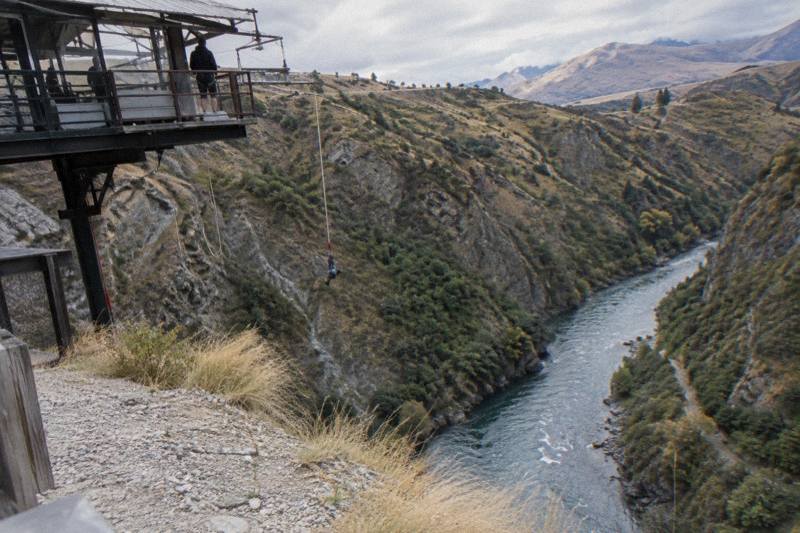
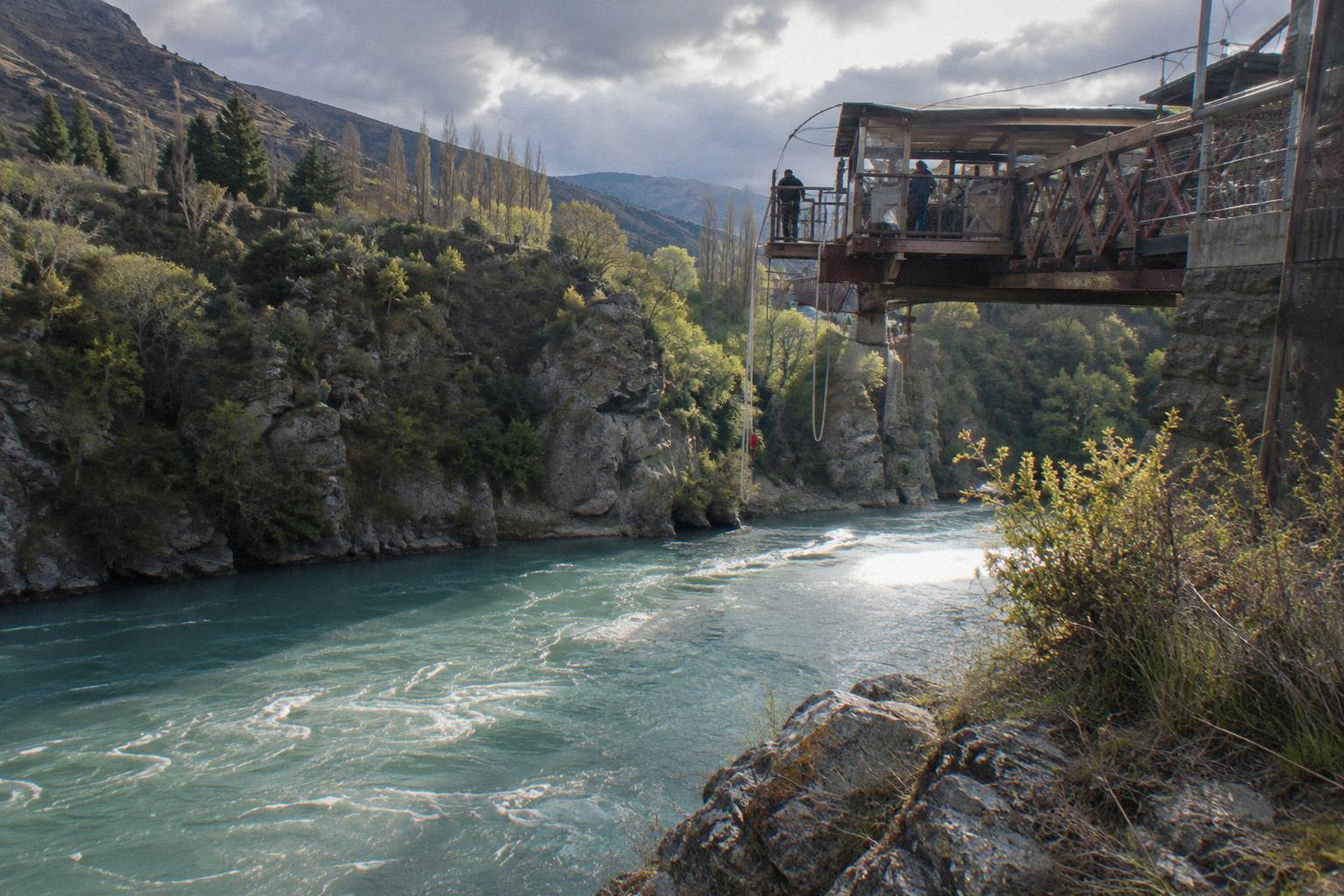
Two weather-related effects are worth knowing because they change the jump rather than cancel it. At Kawarau, the water touch option, where the cord dips you toward the river, depends on river level and crew discretion, so it is never guaranteed. And when the Kawarau river runs high, the maximum jumper weight drops from 160 kg to 130 kg. A heavier jumper can therefore find the jump still running but their slot affected by conditions, which is a question for the crew on the day, not a cancellation.
What you should never do is build a plan around a promise. The operator decides on the day whether a jump runs and what it includes, and no page or seller can guarantee a slot or an outcome. What you can plan around is the fallback: if the worst happens and the operation stops, your money is not lost. You move it or you take it back. That asymmetry, small downside defined in advance, is the whole reason weather anxiety rarely justifies delaying a booking.
There is also a timing reality worth naming. A weather stoppage is announced by the operator, not argued by you, which means the refund or transfer is triggered from its side and processed on its stated terms. You do not need to prove anything, gather forecasts or make a case. Contrast that with a self-declared cancellation inside 24 hours, where the terms are hard and nothing is returned, and you can see why the system rewards patience right up to the operator's own call and decisiveness before it.
| Situation | What the operator says happens |
|---|---|
| Rain on jump day | Jump runs; the operator works in most weather including rain |
| Weather or safety stops operation | Transfer, reschedule, or full refund, your choice |
| High river at Kawarau | Max jumper weight drops to 130 kg |
| Water touch requested at Kawarau | Depends on river level and crew discretion, not guaranteed |
| Weight range question on the day | Crew assesses; weather can change operating ranges |
If you are still weighing whether the big one fits your plans, the 134m Bungy, New Zealand's Biggest, runs from the cable car pod over the Nevis canyon, rated 5.0 across 122 reviews, with the operator's price from NZD 395. The same weather rules cover it as cover Kawarau.
The 24 Hour Cancellation Rule Explained
Cancel or change more than 24 hours before your jump and it is fully refundable, minus a 1.99% card transaction fee that the operator says is non-refundable. Inside 24 hours, the booking is non-refundable, and that includes two cases people do not expect: a no-show, and arriving but deciding not to jump. The rule is the operator's across its products, so a Nevis booking and a Kawarau booking behave the same way.
The 24 hour boundary is measured against your jump time, not your check-in time, so with a morning slot the practical cutoff is the previous morning. Give yourself a buffer if your travel plans are shaky. A flight landing 30 hours before a Nevis departure is fine on paper and nervous in practice, because any delay tips you into the non-refundable window. Anyone connecting through another city, or arriving on a red-eye, should build at least a full day of slack between landing and jumping.
“One of the best experiences of my young life. You must attempt this. Frightening in its own right. What an adrenaline high!”
The card fee detail matters more than it looks. Every refund, even a fully legitimate one made weeks ahead, keeps back the 1.99% fee. On a Nevis booking at the operator's price from NZD 395, that fee is a few dollars, but it is real, and it is why "fully refundable" and "all your money back" are not quite the same sentence. The fee is stated on the operator's legal page alongside the cancellation terms. On a big combo such as the Nevis Thrillogy at the operator's price from NZD 805, the retained fee is proportionally larger, which is one more reason combos deserve firmer plans before payment.
The clause that surprises the most people is "decide not to jump". Standing on the platform, clipped in, and choosing to step back is treated as a no-show under the operator's terms. That is a deliberate design: the booking buys the slot, the crew, the equipment and the recovery, all of which are used whether or not the jump happens. If you are genuinely unsure whether you will go through with it, read our first time bungy expectations guide before you book rather than after.
One more comfort: the operator offers a best price guarantee, matching a cheaper live price if you contact it before booking, and booking direct includes photos, video and an activity t-shirt, per the operator. None of that changes the cancellation terms, but it does mean the price you lock is protected against a later drop. It also nudges you toward booking through the operator's own channels, where the transfer, reschedule and refund routes are handled by the same team that runs the jump, rather than through an intermediary with its own conditions layered on top.
Refunds, Card Fees And The Fine Print
A refundable cancellation keeps back the 1.99% card fee; everything else comes back. A non-refundable one, inside 24 hours, a no-show, or a refusal to jump, returns nothing. Weather cancellations sit outside this scale entirely: transfer, reschedule or full refund, stated by the operator with no fee condition attached. Payments can be made by Visa, Mastercard, EFTPOS, WeChat Pay, AliPay, UnionPay or Afterpay.
“Bought the experience for my 17 year old son. The staff were very professional, friendly and ensured he absolutely loved it. So much so, he went out and booked the 134m bungy immediately after he finished.”
Reading the fine print before booking turns three common traps into non-events. The first is the fee itself: budget mentally for the 1.99% as spent the moment you pay, so a later cancellation returns what you expected rather than slightly less. The second is Afterpay and similar services, which the operator accepts but which carry their own arrangements independent of the operator's refund; a split payment may need unwinding with the provider as well as the operator. The third is timing: the refund clock and your travel insurance clock are different clocks, and insurers usually want to see that you followed the operator's process first.
Contact channels are straightforward if you need to change something: 0800 286 4958, that is 0800 BUNGY JUMP, or +64 3 450 1300, plus WhatsApp on +64 3 450 2823. Ringing the day before a problem, rather than the morning of, is the difference between the refundable side of the line and the non-refundable one. Bring photo ID to check-in regardless, and note that the check-in windows differ by site: 15 minutes before your jump at Kawarau, 30 minutes before departure if you are on the Bungy Bus.
For the practical arrival side, check-in, buses and what to bring, our booking and check-in guide walks the mechanics in detail. The short version: the 24 hour rule rewards people who decide early, and punishes only the ones who leave the decision to the platform edge.
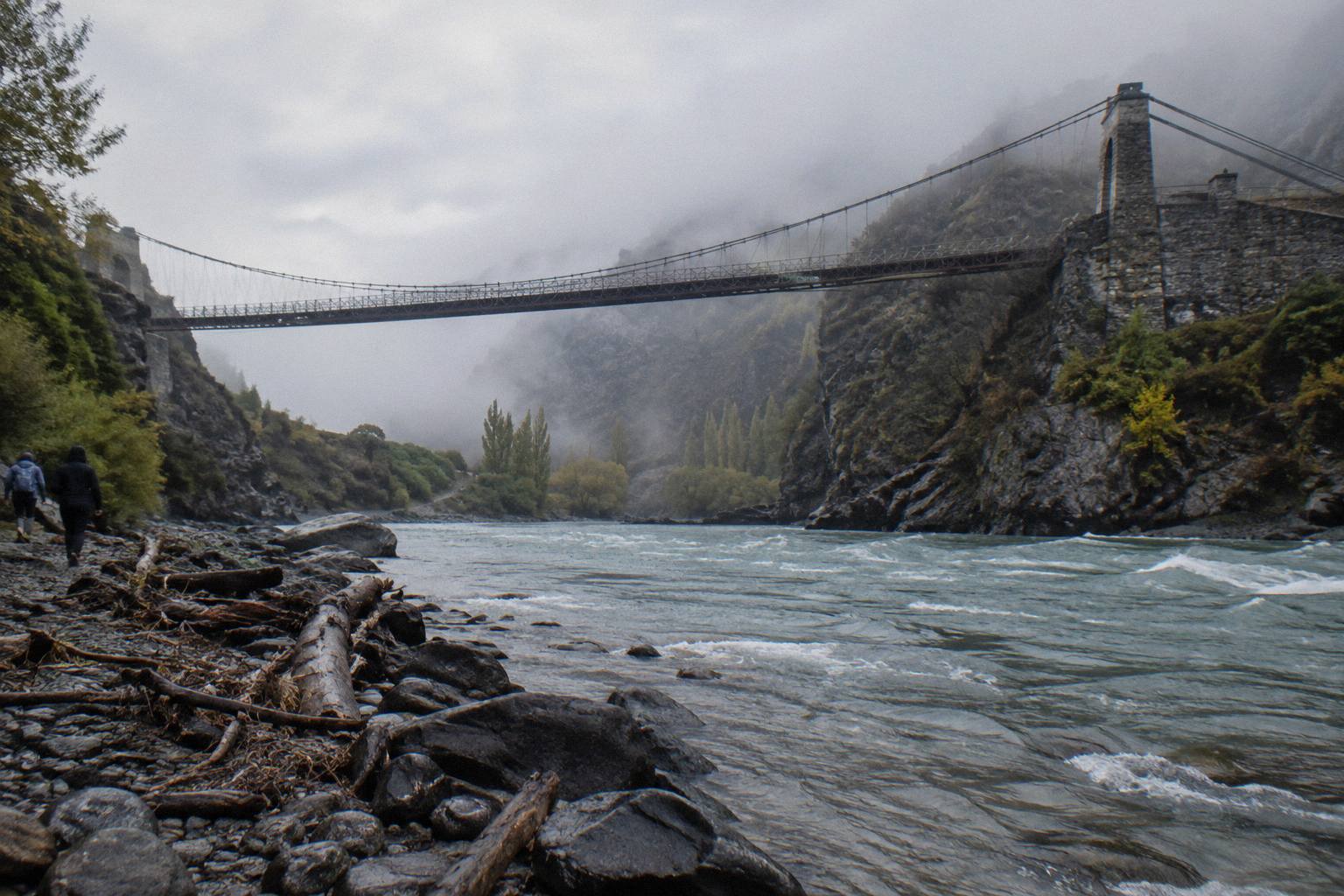
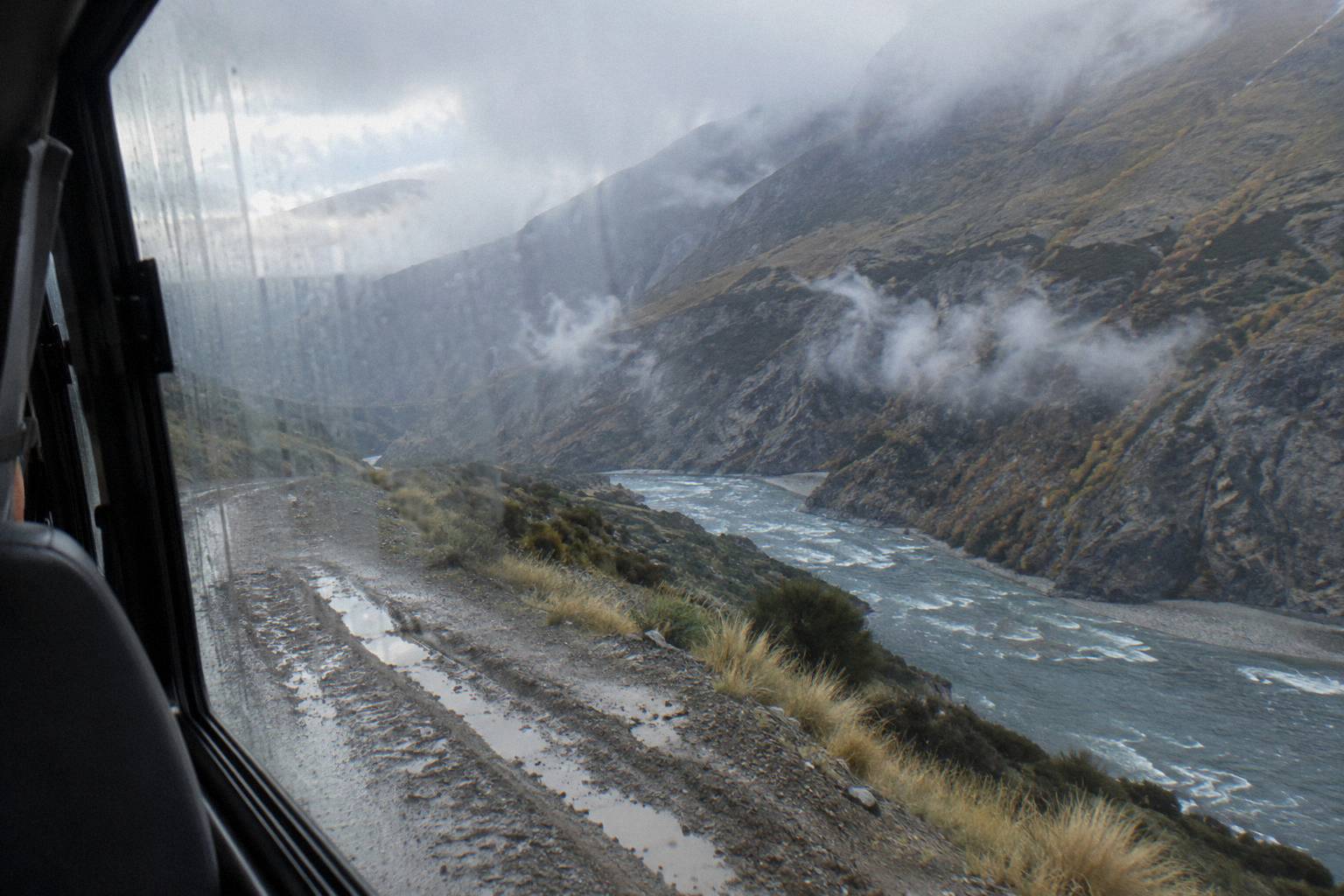
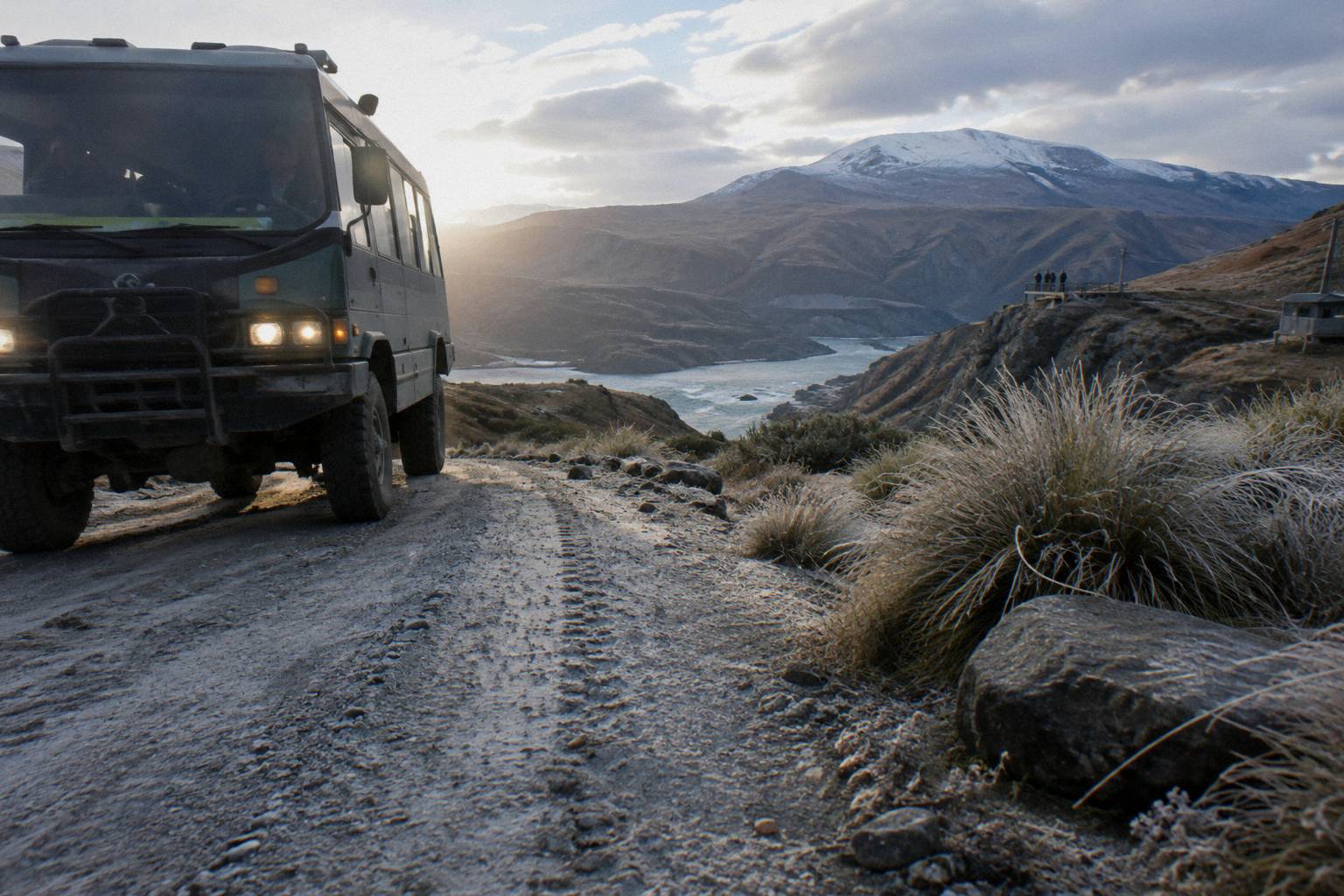
If weather is your specific worry, the Nevis booking is the one to think about hardest, purely because of timing: it is a 4WD bus ride onto private land, about 3.5 to 4 hours all up, so a weather call there is made with more moving parts than a self-drive Kawarau jump. The fallback is identical, transfer, reschedule or full refund, but the logistics of rearranging a Nevis day deserve the extra margin. A Kawarau jumper who wakes to a bad forecast can simply drive the 23 km from Queenstown, watch the river, and jump an hour later if the crew says go; a Nevis jumper is committed to a departure slot and a bus.
How Far Ahead To Book Around Peak Season
Book the Nevis Bungy 4 to 6 weeks ahead in summer, per the operator. Peak season runs 15 December to 15 January, and the busiest days are 30 December to 2 January. Outside peak, about 48 hours ahead is usually enough. Kawarau, being self-drive friendly and running more slots across longer hours, is more forgiving, though peak days tighten everything.
Lead time and cancellation risk are two sides of the same coin. The further ahead you book, the more likely your plans shift, which is exactly when the 24 hour rule starts to matter. The operator's guidance is calibrated for capacity, not for your certainty: 4 to 6 weeks for a summer Nevis slot is about securing a place, and a booking made that early should be treated as provisional until your flights and accommodation are fixed.
| When you are booking | Operator guidance |
|---|---|
| Nevis, summer | 4 to 6 weeks ahead |
| Peak window | 15 Dec to 15 Jan |
| Busiest days | 30 Dec to 2 Jan |
| Outside peak | About 48 hours ahead usually enough |
There is a quiet strategy in booking early anyway: an early booking with a known 24 hour escape hatch costs you nothing but the card fee if plans collapse, while a late booking in peak can cost you the jump entirely because the day sold out. The refundable window makes early booking nearly free optionality. Our best time to bungy in Queenstown guide covers the seasonal logic in more depth.
Combos need the same lead-time thinking multiplied, because a combo such as Thrillogy: Bungy, Swing, Catapult, from NZD 805 with the operator, books three activities into one roughly 4 hour window and inherits the same 13 plus and 45 to 127 kg limits as Nevis. Fewer slots, same peak squeeze, and one more consideration: a combo cancellation inside 24 hours takes all three activities with it, so the stakes of a late change are higher the more you have stacked.
Weather Rules That Change How A Jump Runs
Three stated weather effects change a Queenstown jump without cancelling it: at Kawarau, the maximum weight drops to 130 kg when the river is high; the water touch option depends on river level and crew discretion and is never guaranteed; and operating weight ranges can change with weather generally, with the crew assessing on the day. Rain itself is not on this list, because the operator runs in most weather including rain.
“Awesome experience. Well organized. The pictures and videos are excellent and ended up buying both. I would definitely recommend this tour!”
The distinction to hold onto is between a jump that does not run and a jump that runs differently. The first triggers the transfer, reschedule or refund fallback. The second is a normal operating day, and the operator's pages are clear that conditions shape the details. If the water touch is the reason you chose Kawarau over Nevis, book knowing it is an option, weather permitting, not an inclusion; our Kawarau water touch guide covers what drives it.
Weight is the least discussed of the three. A jumper near the top of the solo range at Kawarau, up to 160 kg in normal conditions, can find the ceiling at 130 kg on a high-river day. That is not a cancellation and not a refund trigger under the stated terms; it is a crew call. Heavier jumpers booking in a wet week should ring ahead on 0800 286 4958 and ask about recent river levels rather than discovering the limit at check-in.
Hours also shape the day. Kawarau is open daily including public holidays, closed only Christmas Day, 8:30am to 5:00pm from October to April and 9:00am to 4:30pm from May to September, with the last jump 30 minutes before closing. Nevis departure times vary by day, year round. A late-day slot has less slack if weather delays anything earlier, which is worth weighing when you pick a time: an earlier slot leaves the rest of the day to rearrange into, while the last slot of the day has nowhere to move.
| Site | Hours | Last jump / arrival |
|---|---|---|
| Kawarau, October to April | 8:30am to 5:00pm daily, closed Christmas Day | Last jump 30 min before close, check in 15 min before |
| Kawarau, May to September | 9:00am to 4:30pm daily | Last jump 30 min before close, check in 15 min before |
| Nevis | Departure times vary by day, year round | About 3.5 to 4 hours total, bus included |
| The Ledge, when it reopens | 1:00pm to 8:00pm, 7 days, closed Christmas Day | Arrive 15 min before your jump |
The Ledge sits in its own category: the operator lists it as reopening for summer 26/27, per the operator, with a waitlist and no bookable tour page here. Treat it as future capacity, not a plan. If a Skyline-site jump is the goal, the honest move is to watch the operator's own page for status and keep a Kawarau or Nevis booking as the anchor of your trip.
For a family decision where ages and weights differ, the 43m Bungy, World's First at Kawarau takes jumpers from age 10 and 35 to 160 kg, which is why it is often the weather-proof family pick: self-drive in 1.5 hours or bus in 2.5, spectators free, and the Gibbston Valley site about 25 minutes from Queenstown with free parking. A family with non-jumping adults pays nothing to watch at Kawarau, while a Nevis spectator spot is NZD 50 for adults and free under 10, a difference that quietly steers bigger family groups toward the bridge.
Health Declarations And Conditions That Can Affect Your Booking
The operator asks you to tell the crew about a list of conditions when you book, including high or low blood pressure, heart conditions, epilepsy, diabetes, asthma, prosthetics, panic or anxiety attacks and recent injuries. Pregnant guests and photosensitive epilepsy cannot take part, and osteoporosis, scoliosis and recent concussion need a doctor's certificate. The practical point for cancellations: declare early, because a condition surfaced at check-in can end a jump after the refund window has closed.
This is the cancellation topic nobody plans for. The 24 hour rule protects money when plans change, but a health question raised at the platform is a same-day event, and same-day events fall on the wrong side of every refund line the operator publishes. The fix is procedural, not medical: answer the operator's health questions honestly at booking time, check with your doctor where the operator requires a certificate, and give the crew the full picture on 0800 286 4958 well before jump day. The only advice beyond the operator's own list is that pair: check with your doctor, and tell the crew when you book.
Glasses are a small, common example of the same principle. Glasses cannot be worn on a jump, and prescription safety goggles are available, which the operator's safety page says are free of charge. Arranging them in advance is a two-minute phone call; discovering the rule at check-in with no alternative sorted is a needless scramble. The same logic applies to mobility: Kawarau is the operator's preferred Queenstown site for more severe mobility impairment, with participation at the operator's discretion, so that conversation belongs at booking, not at the bridge.
What Trips People Up When Booking A Bungy
The four repeated mistakes: treating the water touch as guaranteed when it depends on river level and crew discretion; assuming a same-day change is refundable when anything inside 24 hours is not; forgetting the 1.99% card fee survives every refund; and booking Nevis too late in summer, when the operator says 4 to 6 weeks ahead is the norm. Each is avoidable with one decision made earlier rather than later.
The platform-edge refusal deserves its own warning, because it reads harsh and catches people out. Under the operator's terms, deciding not to jump is non-refundable, the same as a no-show. If fear is the worry, spend the time before booking on our guide to bungy with a fear of heights, not after arrival. Booking with honest self-assessment is cheaper than booking with hope.
The second quiet trap is the Bungy Bus cutoff. Bus customers check in 30 minutes before departure, earlier than the 15 minute jump check-in at Kawarau, and the bus has limited free seats. Missing the bus to a Nevis departure can cascade into missing the whole 24 hour window if the problem is noticed late. Set two alarms: one for the cancellation deadline, one for the bus. The bus leaves from the Queenstown Bungy Centre at the corner of Shotover and Camp Streets, in "The Station" building, so know that address before the morning, not during it.
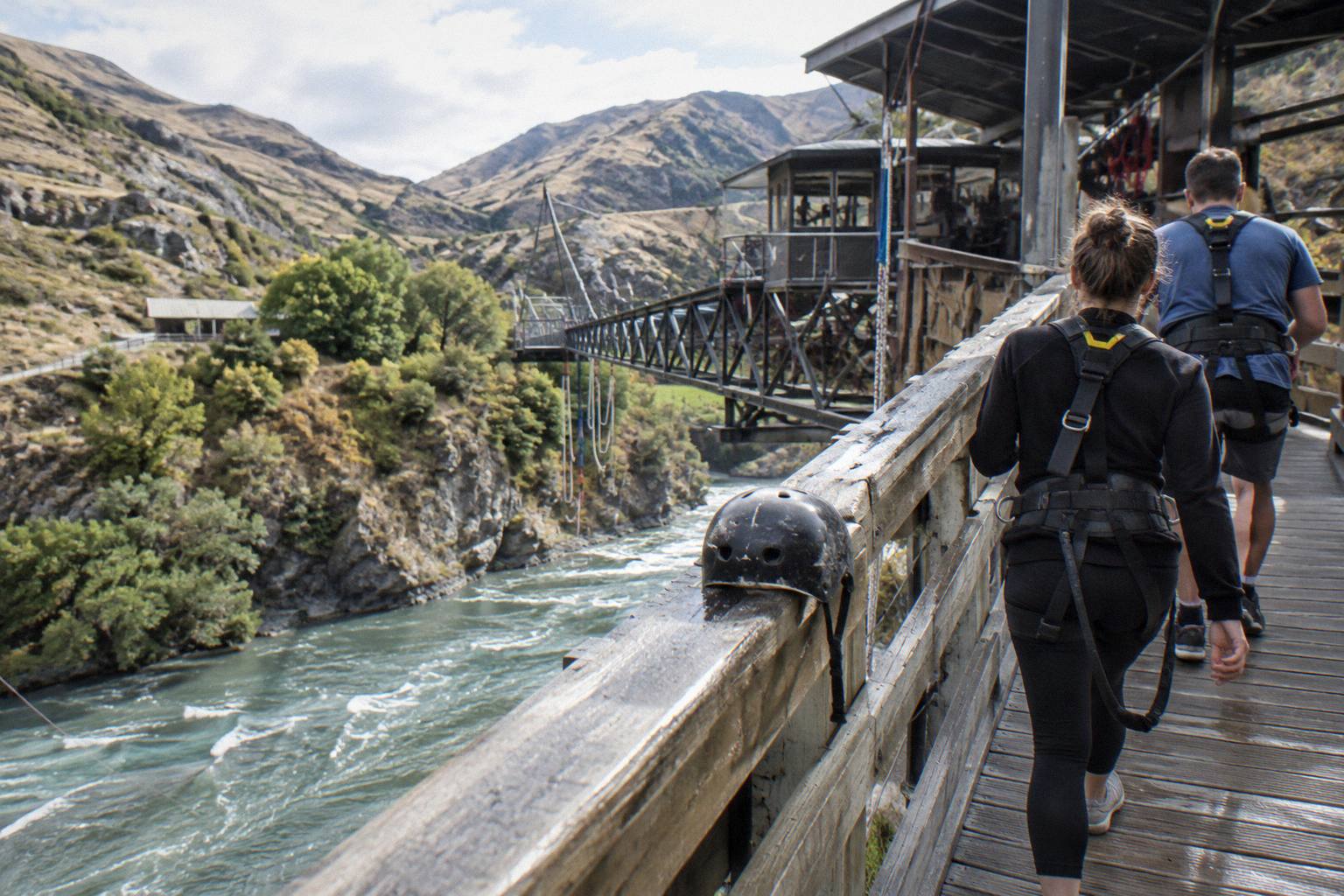
A third trap belongs to groups. One person's cold feet can pull a whole tandem booking into the non-refundable column, because a tandem jump at Kawarau needs both jumpers, with a combined maximum of 235 kg and at most 30 kg between them. Groups should agree in advance who is jumping, who is spectating, and what happens if one member pulls out, since rearranging a group inside 24 hours rarely ends well. Spectating, at least, is free at Kawarau, so the non-jumpers in a group lose nothing by coming along.
Finally, do not let the fine print crowd out the upside. A group booking two or more activities nationwide takes NZD 50 off per activity, three or more takes NZD 70 off per activity, per the operator, and repeat customers get 20% off a future single activity. A family splitting bungy and swing at Kawarau, for instance the Kawarau Combo, Bungy & Swing from NZD 460, often lands better value than two separate bookings, and it simplifies the cancellation question too: one booking, one 24 hour line to watch.
The underlying principle across every rule on this page: the operator prices certainty, and refunds uncertainty, on a published schedule. Plan inside that schedule and the weather becomes a footnote. For the broader question of whether the experience justifies the money and the nerves, Queenstown Bungy Jump covers the decision end to end.
Common Questions About Bungy Cancellations And Weather In Queenstown
What Happens If Weather Cancels My Bungy Jump In Queenstown?
The operator says that if weather or safety stops operation, you can transfer to another activity, reschedule to another day, or take a full refund. The operator runs in most weather, including rain, so cancellations for weather are the exception rather than the rule.
How Late Can I Cancel A Queenstown Bungy And Still Get My Money Back?
More than 24 hours before your jump, cancellation or change is fully refundable minus a 1.99% card transaction fee that the operator says is non-refundable. Inside 24 hours the booking is non-refundable.
Do I Get A Refund If I Decide Not To Jump On The Day?
No. Under the operator's terms, deciding not to jump is treated the same as a no-show and is non-refundable. The booking covers the slot, crew and equipment whether or not the jump happens.
Does The Card Fee Come Back If I Cancel In Time?
No. The 1.99% card transaction fee is non-refundable even on a fully legitimate cancellation made well outside the 24 hour window. Everything else you paid is returned.
Does Rain Stop A Bungy Jump In Queenstown?
The operator states it runs in most weather, including rain. Weather can change operating weight ranges, and at Kawarau a high river drops the maximum weight to 130 kg and makes the water touch option a crew decision, but rain alone does not stop jumps.
How Far Ahead Should I Book In Summer To Avoid Missing Out?
For the Nevis Bungy, the operator says book 4 to 6 weeks ahead in summer, with peak from 15 December to 15 January and the busiest days 30 December to 2 January. Outside peak, about 48 hours ahead is usually enough.