Bungy Jump Weight Limits: Minimum And Maximum Explained
Weight limits decide which Queenstown jump you can actually book. Here is every stated range for the bungy, swing and catapult products, the tandem combined limits, and the one rule that catches people out.
Short answer
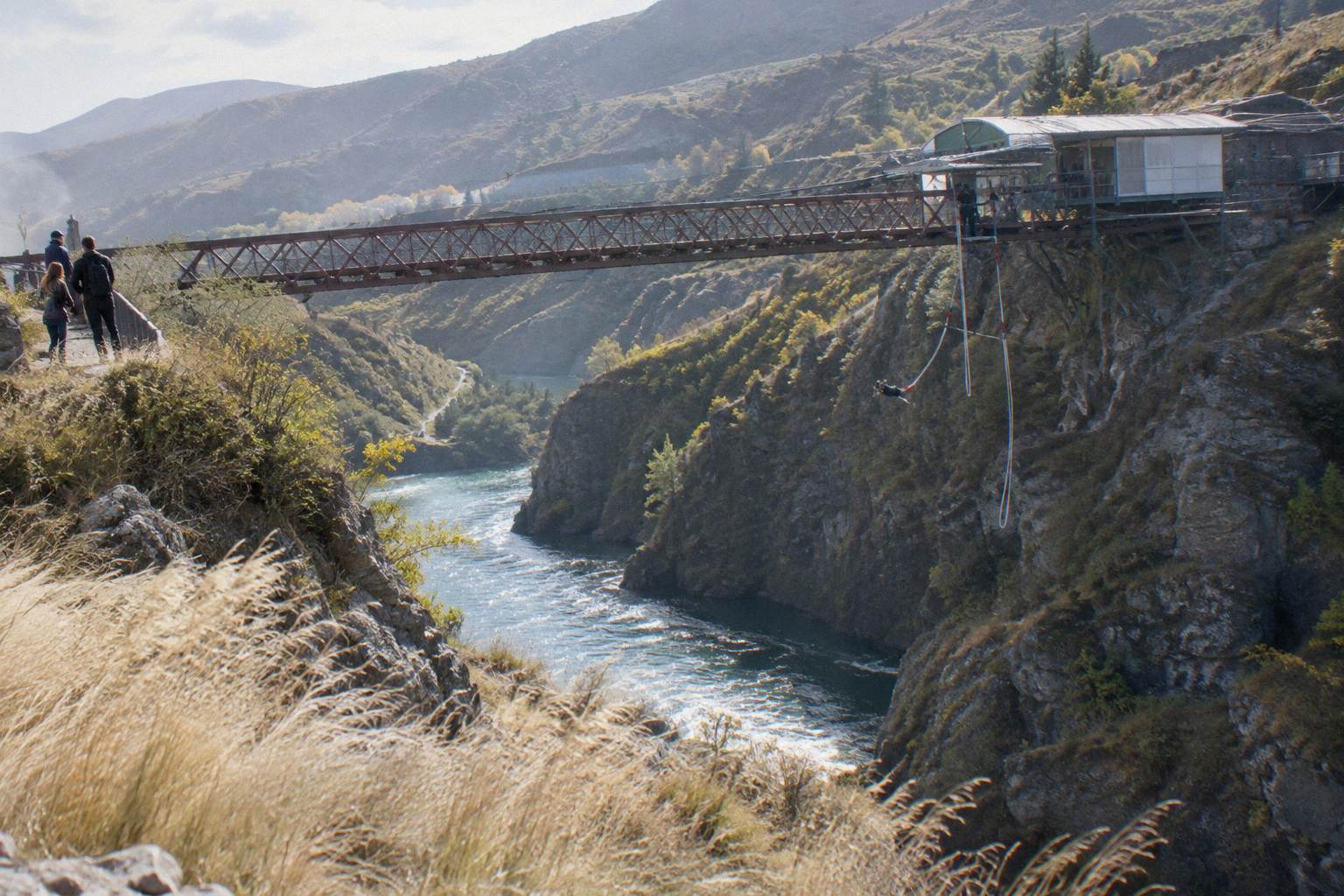
Kawarau Bridge Bungy takes 35 to 160 kg solo, Nevis Bungy and Catapult take 45 to 127 kg, and the Nevis Swing takes 35 to 160 kg solo. Tandem at Kawarau allows a combined 235 kg with at most 30 kg between jumpers. Weather can move the Kawarau maximum down to 130 kg, and the crew assesses every jumper on the day.
Weight is one of the few things about a bungy jump you can measure before you book, and it is also the one that quietly differs between every product in Queenstown. A jumper who fits comfortably inside the Kawarau Bridge range can sit outside the Nevis range, and a tandem pair that clears the solo maximum can still be refused because of the difference between their two weights. The operator, AJ Hackett Bungy NZ, publishes a stated range for each product, and those ranges do not cross over between sites.
This page sets out every stated weight limit for the bookable products, the tandem rules at the Kawarau Bridge, the river-level rule that lowers the Kawarau maximum to 130 kg, and what the crew checks on the day. If a limit is not stated anywhere, it says so plainly rather than guessing. For anything that needs a ruling on your own situation, the operator takes calls on 0800 286 4958 or +64 3 450 1300.
What Is The Weight Limit For Bungy Jumping In Queenstown?
There is no single weight limit, because there is no single jump. The Kawarau Bridge Bungy takes 35 to 160 kg solo, the Nevis Bungy and Nevis Catapult take 45 to 127 kg, and the Nevis Swing takes 35 to 160 kg solo. Each limit belongs to its own product and its own cord, and none of them transfers to another site or another activity. The crew weighs and assesses every jumper on the day.
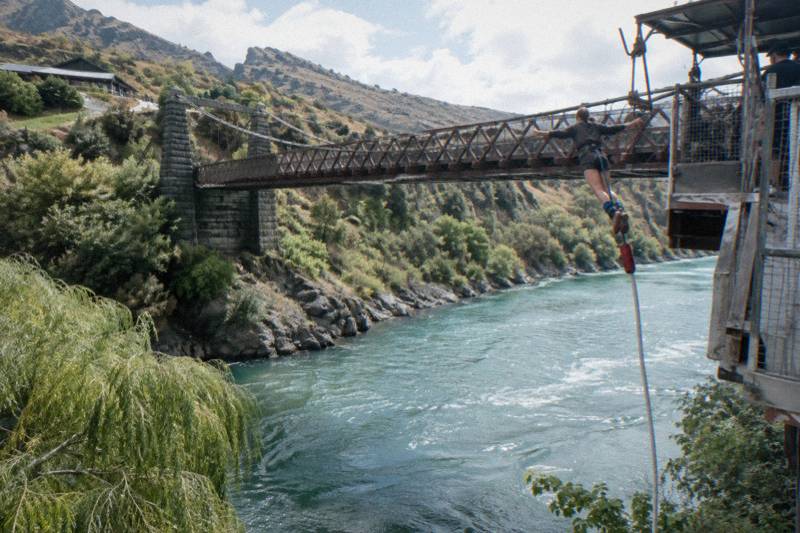
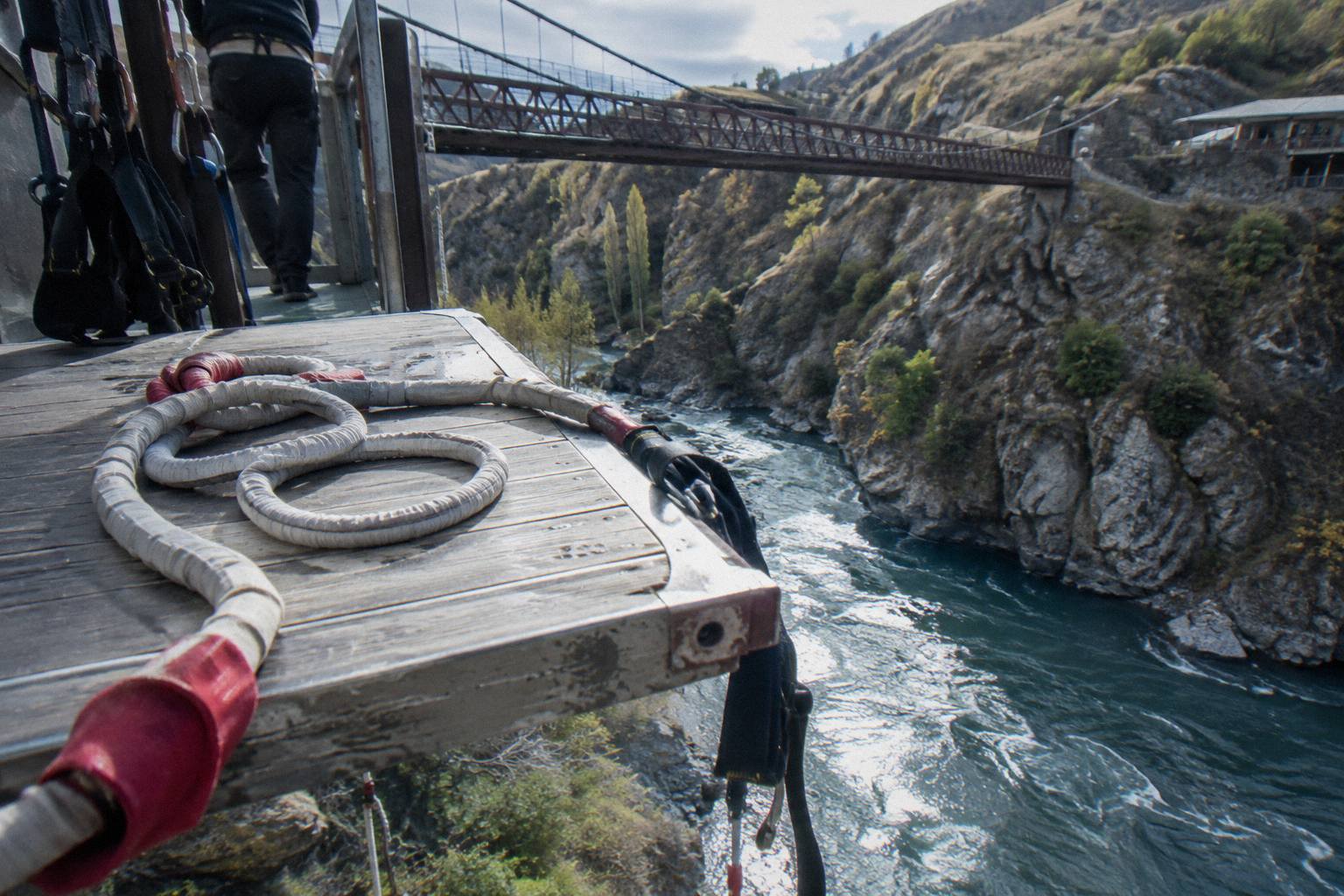
The reason the ranges differ comes down to equipment. A bungy cord is tuned to the load it will catch, and the cords rigged at the 43 m Kawarau Bridge are not the same cords rigged in the cable-car pod 134 m above the Nevis canyon. The operator states each product's operating range on its own pages, and it is those individual numbers, not a town-wide rule, that decide whether a booking is possible. When the operator says the crew assesses on the day, it means the scale at check-in, not the number typed into a booking form, is the final word.
A few practical consequences fall out of that. A lighter jumper who clears every minimum comfortably still needs to be 13 or older for the Nevis products, and the Queenstown Bungy Jump pages cover the age rules separately. A heavier jumper has more options at Kawarau than at Nevis, but only when the river is not high, which is the trap covered further down this page. And a jumper near the edge of a range is better off calling the operator before booking than arguing the point at check-in, because a "decide not to jump" on the day is non-refundable under the operator's stated rules.
The minimum weights matter just as much as the maximums. A cord built to catch 160 kg does not behave the same way with a lighter load on the end, which is why every product carries a floor as well as a ceiling. That is also why the operator runs different products for different ages and sizes rather than one universal jump: the Kawarau range starts at 10 years and 35 kg, the Nevis range at 13 years and 45 kg.
Weight Limits For Every Bungy, Swing And Catapult
The operator's stated ranges are: Kawarau Bridge Bungy 35 to 160 kg, Kawarau Swing 30 kg minimum with 150 kg solo and 240 kg tandem or triple, Kawarau Zipride 30 to 150 kg, Nevis Bungy and Nevis Catapult 45 to 127 kg, Nevis Swing 35 to 160 kg solo with a 220 kg tandem maximum. Ledge products sit at 35 to 127 kg for the bungy and 30 to 107 kg for the swing, per the operator.
Those numbers come from the operator's own product pages and its operator's FAQ, and they are the only figures worth planning around. Here they are in one table, alongside the minimum age for each product, since the two eligibility gates travel together.
| Product | Minimum age | Weight range stated by the operator |
|---|---|---|
| Kawarau Bridge Bungy | 10 | 35 to 160 kg solo or tandem |
| Kawarau Swing | 8 | 30 kg minimum, 150 kg solo, 240 kg tandem or triple |
| Kawarau Zipride | 8 (ages 8 to 9 tandem with an adult aged 20+) | 30 to 150 kg |
| Nevis Bungy | 13 | 45 to 127 kg |
| Nevis Catapult | 13 | 45 to 127 kg |
| Nevis Swing | 10 | 35 to 160 kg solo, 220 kg tandem maximum |
| Ledge Bungy (reopening summer 26/27) | 10 | 35 to 127 kg |
| Ledge Swing (reopening summer 26/27) | 10 | 30 to 107 kg |
Two things read straight off that table. First, the widest solo ceiling in the bookable bungy family is 160 kg at the Kawarau Bridge, and the widest ceiling anywhere in the Queenstown lineup is the 240 kg tandem or triple figure on the Kawarau Swing, which is a swing rather than a bungy. Second, the Nevis products are the strictest at both ends: a 45 kg floor and a 127 kg ceiling that apply to both the bungy and the catapult, because the operator's Nevis pages state that range for both.
If you are choosing purely on weight, the decision logic is simple. Under 45 kg, the Nevis products are out and the question becomes Kawarau. Over 127 kg and up to 160 kg, Kawarau bungy or the Nevis Swing are the stated options, subject to the river-level rule at Kawarau. Over 160 kg, no bungy product has a stated range that fits, and the honest answer is to call the operator on 0800 286 4958 rather than assume an exception exists. The age side of eligibility is laid out in the guide to the age limits for every Queenstown jump.
For readers whose weight sits inside both main ranges, the choice between the two bookable bungy products is about height, time and price rather than eligibility, and the comparison of which Queenstown bungy suits which jumper works through that separately.
Tandem Bungy Weight Rules At The Kawarau Bridge
Tandem bungy at the Kawarau Bridge is governed by three stacked limits: each jumper must be inside the 35 to 160 kg solo range, the two combined must not exceed 235 kg, and the difference between the two jumpers must be at most 30 kg. All three must hold at once, so a pair that is far apart in weight fails the difference rule even when the combined total clears.
Tandem is a Kawarau-only option among the bookable bungy products, and it is the one people most often get wrong, because the combined figure is not the only test. The 30 kg difference rule exists because a tandem cord needs a balanced load; the operator states it alongside the 235 kg combined maximum on the Kawarau Bridge Bungy page. Neither number overrides the solo range, and neither is negotiable at the platform.
Worked examples make the stacking clearer than the raw numbers do. A pair of jumpers close in weight, together under 235 kg and each inside 35 to 160 kg, clears all three rules. A pair sitting exactly on the stated extremes, 160 kg and 130 kg each within the solo range, is only 30 kg apart and so passes the difference rule, but together they exceed the 235 kg combined maximum and cannot jump as a tandem. A pair with one jumper at 130 kg and one at 35 kg, both individually within range and together well under 235 kg, still fails, because the gap between them is far more than the 30 kg difference rule allows. That is the trap: each limit can be passed while another fails.
| Tandem pair (kg, each within the 35 to 160 kg solo range) | Combined total against the 235 kg maximum | Difference against the 30 kg rule | Result under the stated rules |
|---|---|---|---|
| Two jumpers close in weight, together under 235 kg | Under the maximum | Within 30 kg | Clears all three limits |
| 160 kg and 130 kg | Over the maximum | Exactly 30 kg, within the rule | Fails the combined maximum |
| 130 kg and 35 kg | Under the maximum | Over 30 kg | Fails the difference rule |
The tandem question usually comes from couples and from parents jumping with teenagers, and the same age rules apply on top of the weight rules: under 18 needs adult consent at check-in, and under 14s need an adult aged 18 or over on site, who does not have to jump. The pairing logic, including who can jump with whom, is expanded in the guide to booking a tandem bungy in Queenstown.
One more tandem wrinkle is worth a sentence: the Kawarau Swing, a different product on the same site, has its own tandem arithmetic, with a 240 kg tandem or triple ceiling and no stated difference rule. Jumpers sometimes assume the two products share limits because they share a bridge; the operator's pages state them separately, and the swing's own rules apply to the swing.
Why The Nevis Weight Range Is Narrower
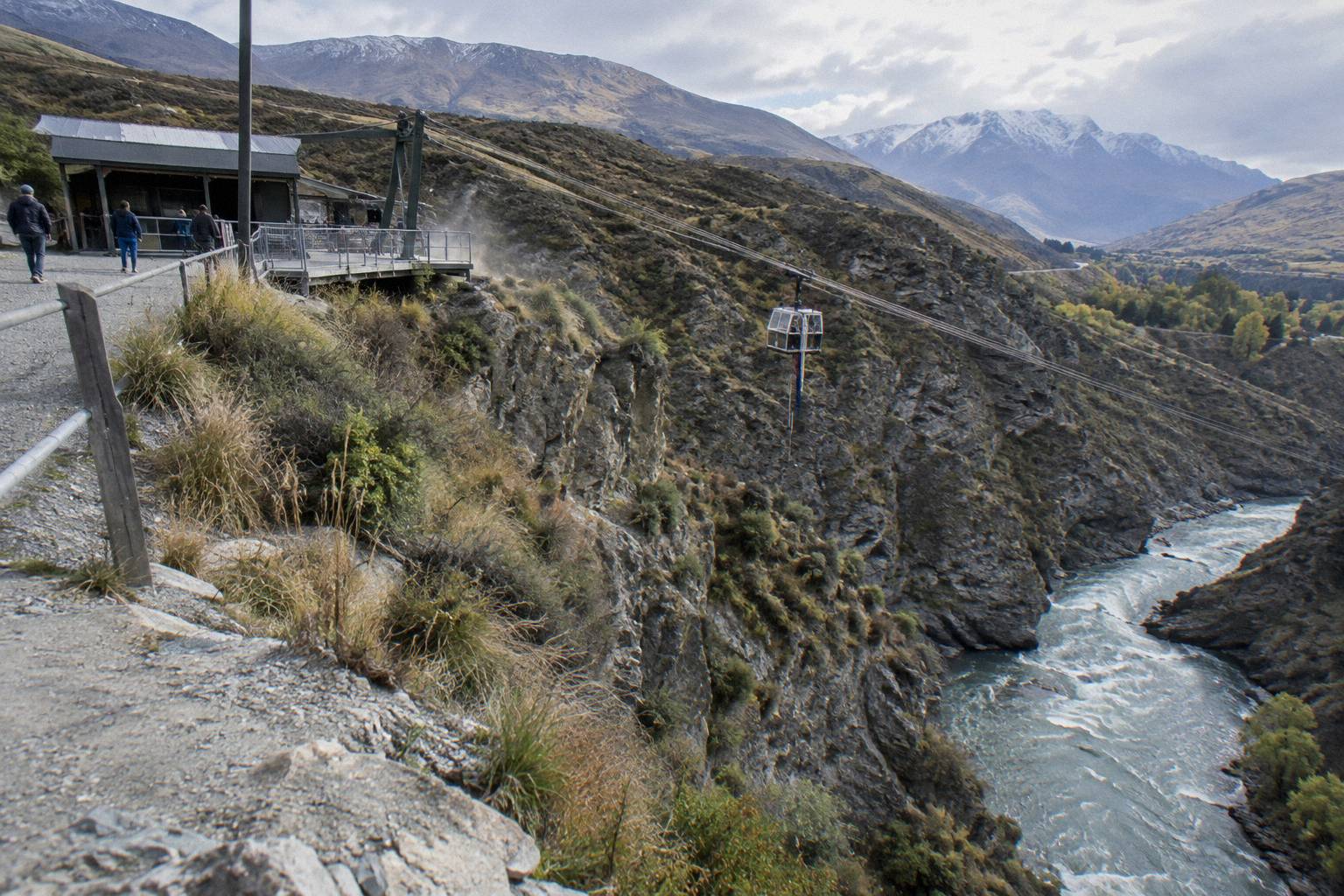
The Nevis Bungy and Nevis Catapult both carry a stated range of 45 to 127 kg, tighter at both ends than anything at Kawarau. The 134 m drop from the cable-car pod runs a different cord set, and the operator states one shared range for both Nevis products. A jumper over 127 kg has no stated Nevis option, and a jumper under 45 kg needs to wait or choose Kawarau.
The narrower band is the single most common eligibility surprise in Queenstown, because it cuts in both directions. Teenagers are the frequent casualties at the bottom end: a 13-year-old who clears the age gate can still be under the 45 kg floor, and no amount of parental consent changes a cord's operating range. At the top end, jumpers who assumed "the big one" would take the biggest range find the opposite, since the 43 m Kawarau Bridge jump is the one stated up to 160 kg.
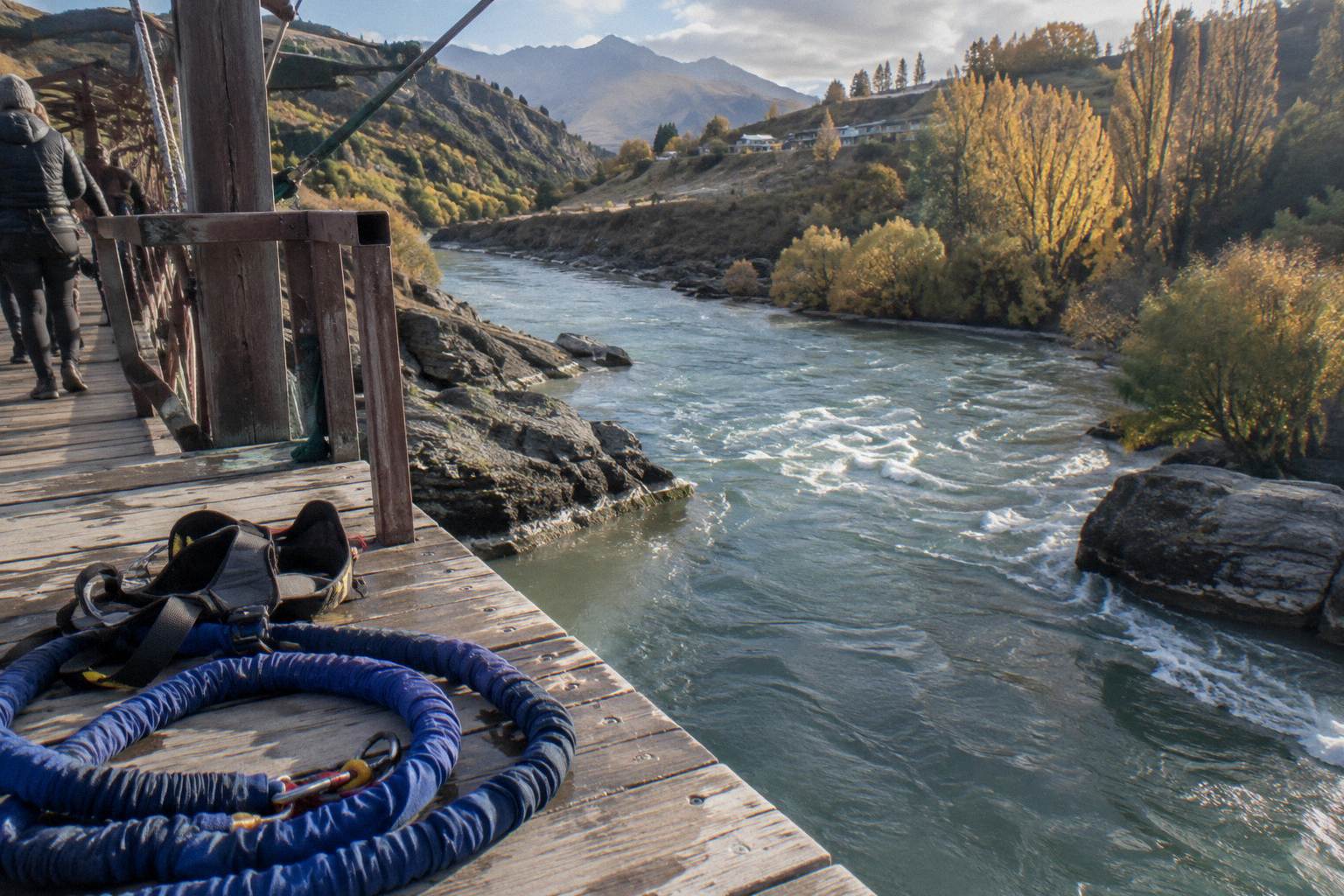
The Nevis range also applies to every Nevis combo. The Nevis Bungy & Swing Combo, the Bungy & Catapult Combo and the Thrillogy all carry the same 13+ and 45 to 127 kg eligibility in the tours data, which makes sense given every one of them includes the 134 m bungy. Booking a combo does not relax the limit; it inherits it. The 134m Bungy, New Zealand's Biggest is the anchor product there, and its own page restates the range.
There is no stated minimum or maximum height for any product, only weight, but the operator adds one catch-all: you must fit the harness. That is a fit question rather than a number, and it is part of what the crew assesses on the day. If fit is a live question for you, the operator's phone line exists exactly for it, and asking before booking costs nothing.
A booking for the Nevis Bungy is also the one the operator advises booking furthest ahead, four to six weeks in summer, with the peak running 15 December to 15 January and the busiest days 30 December to 2 January. Weight eligibility does not change that advice, but discovering a limit problem on the day you planned to jump certainly does.
The 130 Kg River Rule At Kawarau
When the river is high, the Kawarau Bridge Bungy maximum drops from 160 kg to 130 kg, at crew discretion. The river level also decides whether the water touch option runs, and neither is guaranteed in advance. A jumper between 130 and 160 kg can therefore be inside the stated range on paper and outside it on the day.
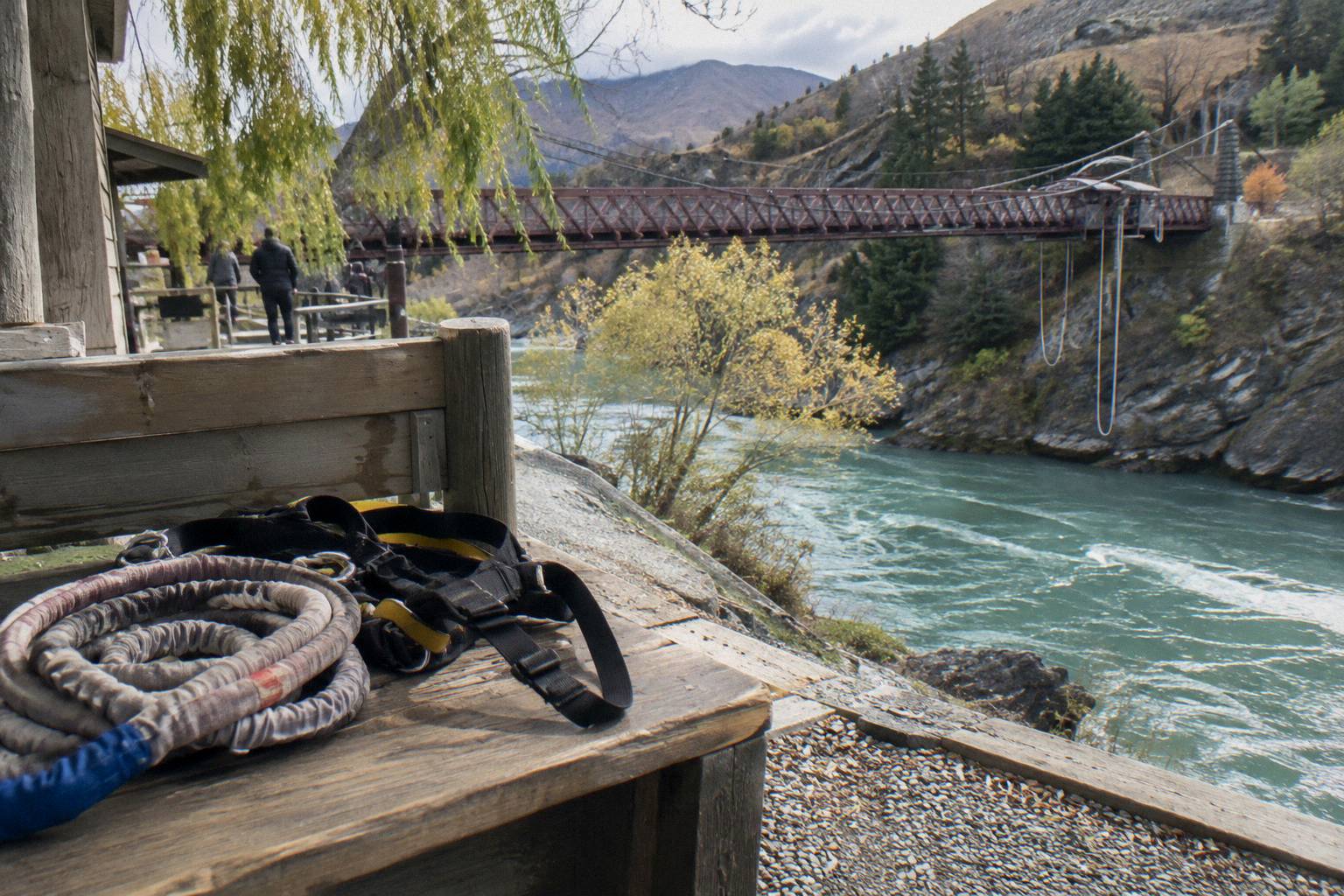
This is the rule that catches bookings out, because the published 35 to 160 kg range is the product's normal envelope, not a promise. The operator ties both the reduced maximum and the water touch to river level and crew discretion, and the river is the one input nobody booking weeks ahead can control. The operator's Kawarau page states the 130 kg high-river figure plainly, so it is not a hidden rule, only one that is easy to miss when you are comparing headline numbers.
The practical reading is this. If you weigh between 130 and 160 kg and Kawarau is your only stated option, book with the river rule in mind and say so when you book. If the crew stands the maximum down on your day, the operator's stated weather-and-safety policy applies: you can transfer, reschedule or take a full refund when weather or safety stops operation. That is the operator's stated position for weather stops generally, and the river rule sits inside it.
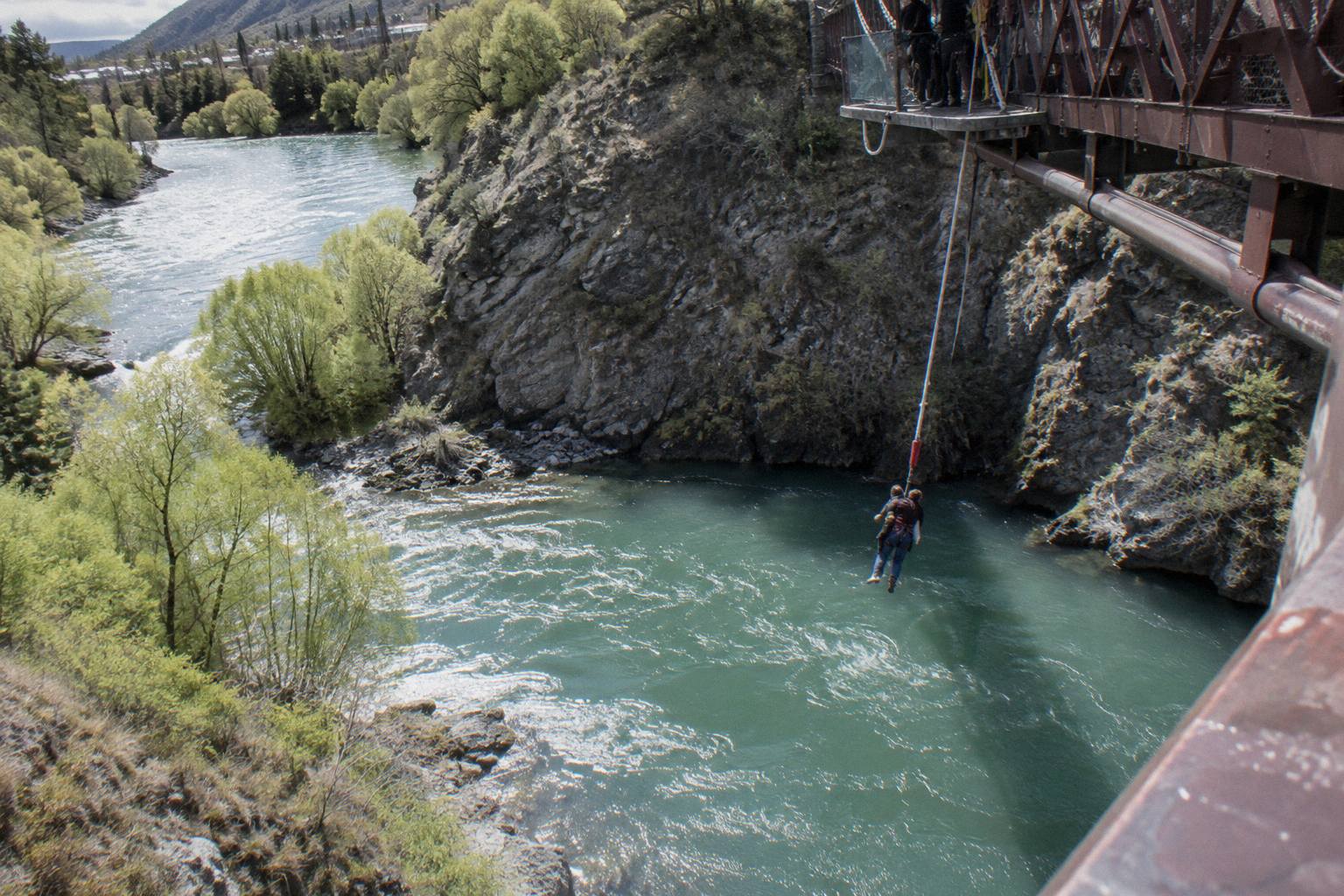
It is also worth separating the two river-dependent things. The 130 kg ceiling is an eligibility question that can end a booking. The water touch, where the cord is set to dip the jumper into the river, is an option within a jump that already runs, and the operator is explicit that it depends on river level and crew discretion. Neither is promised, and neither is a defect in the product; both follow from jumping into a living river rather than a concrete pit.
Jumpers in that 130 to 160 kg band who want certainty have one other stated option in the bungy family: none, actually, since the Nevis ceiling is 127 kg and the Ledge is reopening rather than bookable. The honest move is to call the operator on 0800 286 4958, ask how the river has been running, and decide with real information. The guide to how the Kawarau water touch works covers the river-level side in more depth.
Combos And Weight Limits
That Kawarau figure is the subtle one. A jumper over the swing's 150 kg ceiling but under the bungy's 160 kg maximum can book the Kawarau Bridge Bungy as a single activity but cannot book the bungy-and-swing combo, because half of that combo runs on the swing's 150 kg solo ceiling. The same stacking logic explains the Nevis combos: every one of them contains the 134 m bungy, so every one of them carries 45 to 127 kg. Combos tighten eligibility to the intersection of their parts, never the loosest part.
| Combo product | Stated eligibility (tours data) | Contains |
|---|---|---|
| Nevis Bungy & Swing Combo | 13+, 45 to 127 kg | Nevis Bungy and Nevis Swing |
| Nevis Bungy & Catapult Combo | 13+, 45 to 127 kg | Nevis Bungy and Nevis Catapult |
| Nevis Thrillogy | 13+, 45 to 127 kg | Nevis Bungy, Swing and Catapult |
| Kawarau Bungy & Swing Combo | 10+, 35 to 150 kg | Kawarau Bridge Bungy and Kawarau Swing |
Price is where combos earn their keep rather than where they cost eligibility. The operator's combo prices run from NZD 460 for the Kawarau Bungy & Swing Combo to NZD 620 for the Nevis Bungy & Swing Combo and NZD 805 for the Thrillogy, and the operator says those carry savings of NZD 100 and NZD 210 respectively against the parts booked separately. The operator also runs a wider discount rule: two or more activities nationwide, Zipride excluded, take NZD 50 off per activity, and three or more take NZD 70 off per activity. Those are the operator's stated prices and rules, and they change by date, so treat them as from-prices to confirm at booking. The combo deals and stacking discounts guide works the arithmetic in full.
One combo pairing sits outside this site's bookable set but belongs in the eligibility picture: the operator also sells a Nevis Bungy plus Kawarau Bungy combo at NZD 615, and that one has to satisfy both ranges at once, which in practice means 45 to 127 kg plus the tandem and river rules at the bridge. When in doubt, the narrower range always governs.
Being Weighed, Harness Fit And What The Crew Decides On The Day
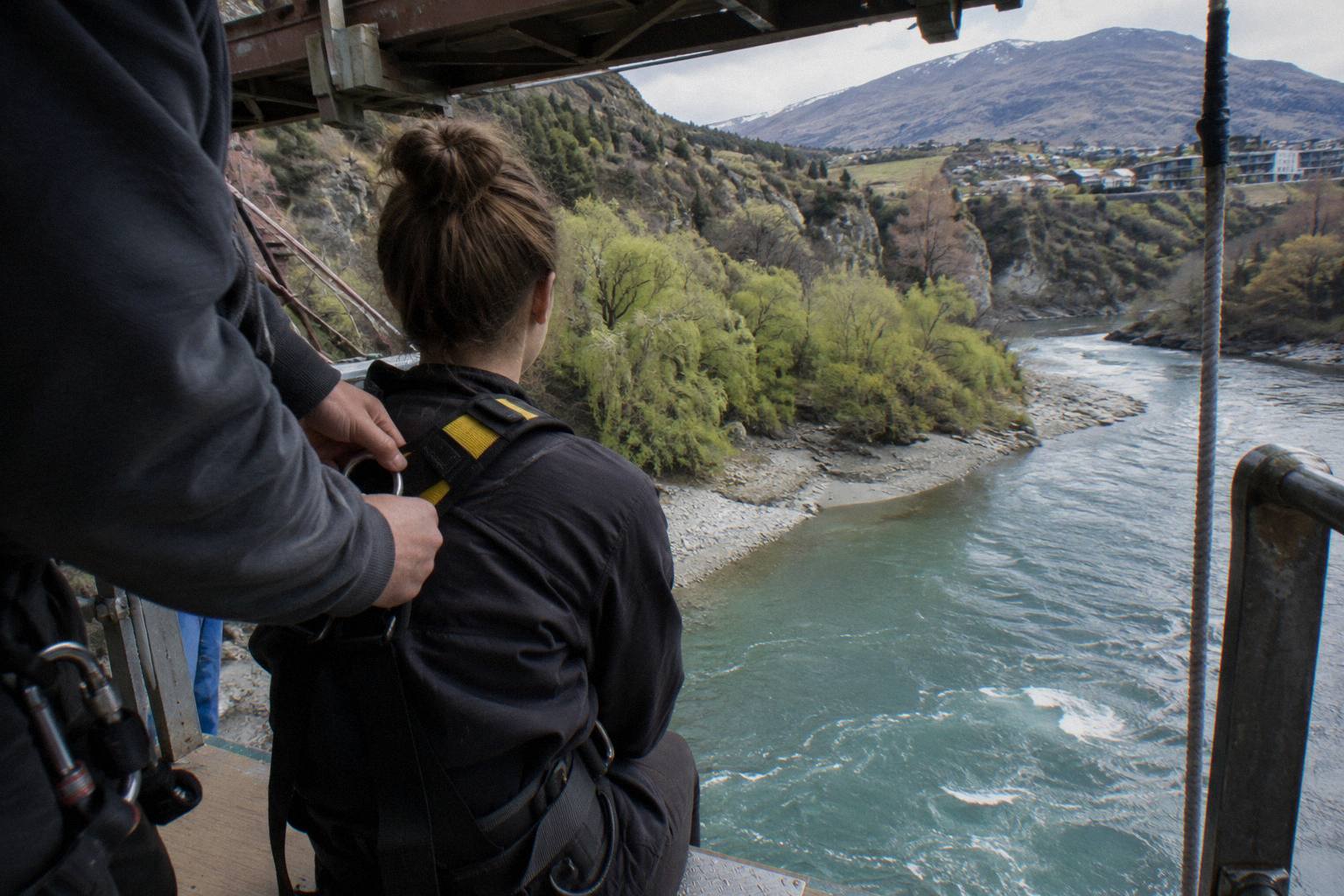
Every jumper is weighed and assessed by the crew on the day, and the operator states that weather can change operating weight ranges and that the crew's assessment is final. There is no stated height limit on any product, but you must fit the harness. The number on your bathroom scale is a planning input, not a guarantee.
The day-of process is short and unsentimental. You check in with photo ID, you are weighed, the harness has to fit, and the crew applies the operating range for that product on that day, which at Kawarau may be the reduced 130 kg ceiling if the river is high. The operator's safety page covers the equipment side, including the note that prescription safety goggles are free of charge for jumpers who cannot wear glasses. None of this is negotiable at the platform, which is precisely why the operator runs a phone line.
A word on honesty with yourself at this step. Booking a jump while quietly hoping the scale at check-in disagrees with the one at home is a bad bet, because the crew's decision governs and the operator's stated cancellation terms are specific: cancelling or changing more than 24 hours before is fully refundable minus the 1.99% card fee, while under 24 hours, a no-show, or deciding not to jump on the day is non-refundable. Discovering a weight problem at check-in is therefore the most expensive possible way to discover it.
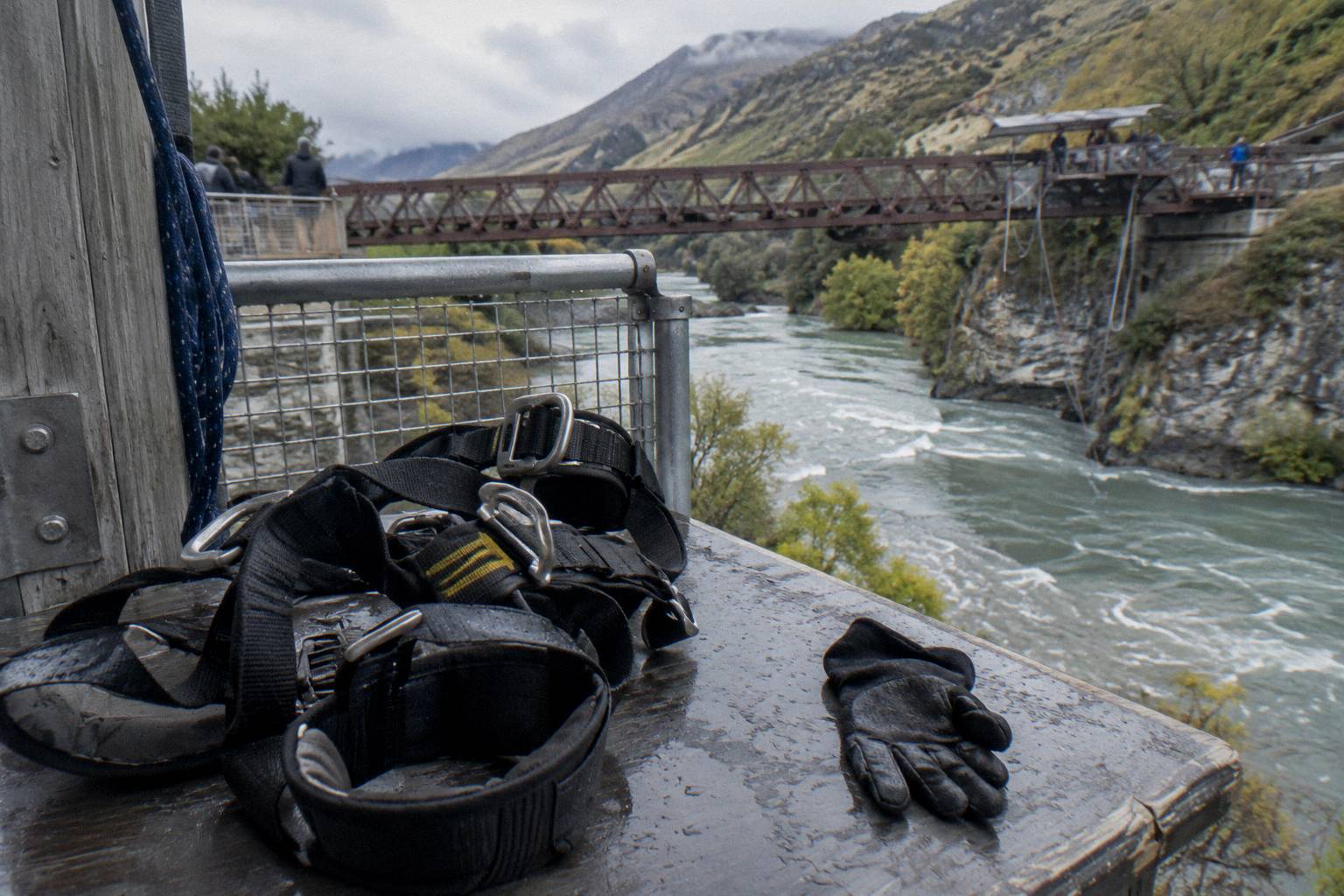
The harness-fit clause deserves its own sentence. Weight is a proxy the operator uses because it is measurable, but the equipment has to attach to a body, and the stated rule is simply that you must fit the harness. The crew applies that judgement on the day alongside the scale.
Health Conditions The Crew Also Needs To Know About
The full stated list, from the operator's safety and legal pages, runs: high or low blood pressure, heart conditions, epilepsy, high myopia, broken or fractured bones, dislocations, fragile skin, neurological disorders, diabetes, asthma, prosthetics, panic or anxiety attacks, and recent sprains or muscular injuries. Pregnant guests and photosensitive epilepsy cannot take part at all. Osteoporosis, scoliosis and recent concussion need a doctor's certificate. No drugs or alcohol, and the operator may test.
None of that is a medical verdict, and none of it should be read as one. It is a disclosure list: the operator tells you what its crew needs to hear, and the only general advice that sits alongside it is the standard two lines, check with your doctor and tell the crew when you book. The guide on medical conditions and bungy jumping goes through the list item by item, including the diabetes and scoliosis questions this site covers in its blog posts.
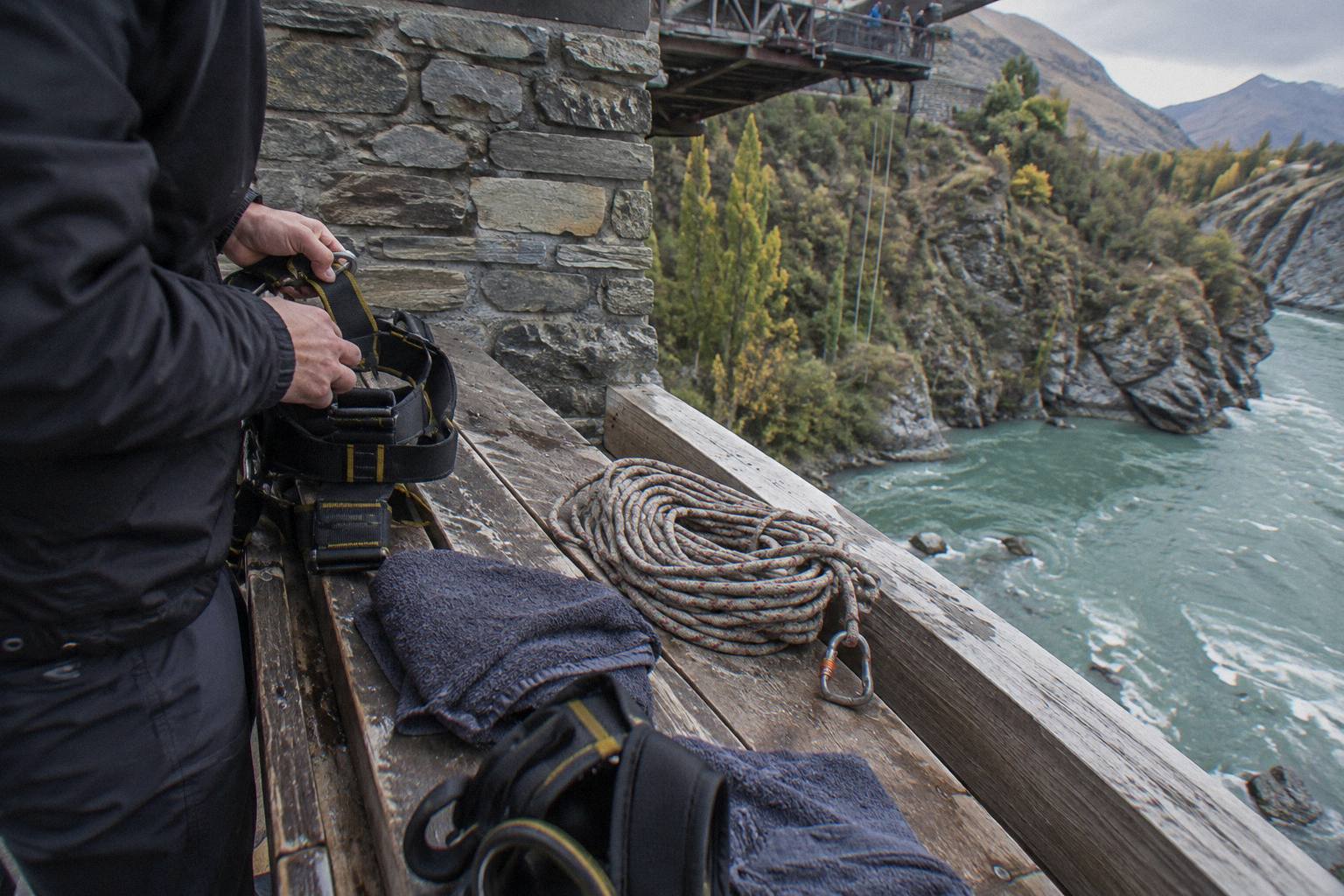
One entry on that list interacts with weight more than people expect: recent sprains or muscular injuries. A jumper can be well inside the weight range and still need to declare an injury, and the crew decides with that information in front of it. The two checks, weight and health, run in parallel at check-in, and both are the crew's to make.
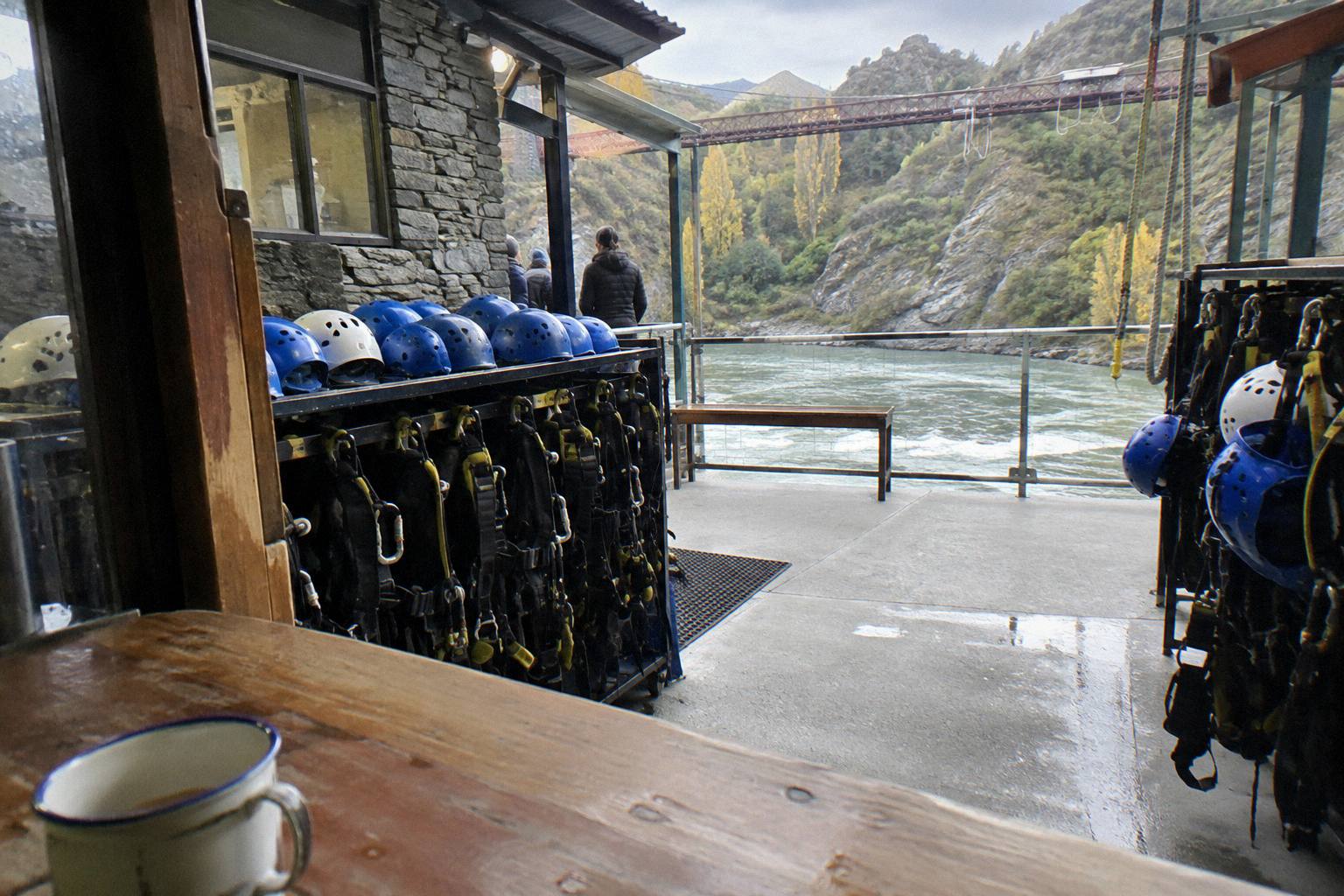
Common Mistakes When Checking Bungy Weight Limits
The recurring mistakes are assuming one limit covers every product, reading the tandem combined maximum without the 30 kg difference rule, booking the Kawarau combo while over the swing's 150 kg ceiling, ignoring the 130 kg river rule, and arguing weight at the platform instead of asking before booking. Each one is avoidable with a phone call to the operator on 0800 286 4958 before paying.
The first mistake is the most common. People read a headline number, often the 160 kg Kawarau ceiling or the 134 m Nevis height, and carry it across products. The ranges belong to their products: 45 to 127 kg is the Nevis answer, 35 to 160 kg is the Kawarau Bridge answer, and neither borrows from the other.
The second is tandem arithmetic. A pair whose combined total sits under 235 kg can still be refused if the two jumpers sit more than 30 kg apart, and pairs routinely discover this only at check-in. The 30 kg rule is as binding as the 235 kg total, per the operator's page.
“Awesome experience. Well organized. The pictures and videos are excellent and ended up buying both. I would definitely recommend this tour!”
The third is the combo trap: the Kawarau Bungy & Swing Combo runs 35 to 150 kg, tighter than the bungy alone, because the swing inside it caps at 150 kg solo. The fourth is the river rule at Kawarau, where the maximum drops to 130 kg when the river is high, a decision made on the day by the crew. And the fifth is treating the platform as the place to contest a limit, when the operator's terms make a same-day refusal to jump non-refundable and its phone line exists precisely to settle these questions in advance.
A sixth, quieter mistake affects lighter jumpers: assuming a child or teenager who meets the age gate can jump anywhere. The Nevis floor of 45 kg rules out a good share of 13-year-olds, and the honest check is the scale, weeks before the booking, not the birthday.
Common Questions About Weight Limits
What Is The Maximum Weight For Bungy Jumping In Queenstown?
It depends on the product. The Kawarau Bridge Bungy states a maximum of 160 kg solo or tandem, dropping to 130 kg when the river is high. The Nevis Bungy and Nevis Catapult state 127 kg, and the Nevis Swing states 160 kg solo with a 220 kg tandem maximum. No single town-wide maximum exists.
Is There A Minimum Weight For Bungy Jumping?
Yes, and it differs by product: 35 kg at the Kawarau Bridge Bungy, 45 kg at the Nevis Bungy and Nevis Catapult, 35 kg solo on the Nevis Swing, and 30 kg on the Kawarau Swing and Zipride. The minimum age rules apply on top of these floors.
What Is The Tandem Weight Limit At The Kawarau Bridge?
Each jumper must be within 35 to 160 kg, the pair must not exceed 235 kg combined, and the difference between the two jumpers must be at most 30 kg. All three conditions must hold, per the operator's stated rules.
Can I Jump If I Weigh Over 130 Kg?
At the Kawarau Bridge, yes within the stated 160 kg maximum, but when the river is high the crew applies a reduced 130 kg ceiling, so it depends on the day. The Nevis products state 127 kg as their ceiling. Call the operator on 0800 286 4958 before booking to ask how the conditions are running.
Do Weight Limits Change With The Weather?
The operator states that weather can change operating weight ranges, and specifically that the Kawarau maximum drops to 130 kg when the river is high. If weather or safety stops operation, the operator says you can transfer, reschedule or take a full refund.
Will I Be Weighed On The Day?
Yes. The crew weighs and assesses every jumper on the day, and you must also fit the harness. There is no strict height limit on any product, but the crew's assessment governs, which is why checking your weight against the stated range before booking matters.