What To Wear Bungy Jumping: Clothes, Shoes And Gear
The operator does not publish a dress code, so this guide builds clothing decisions around what is stated: the harness fit, the no-glasses rule, the boat recovery at Kawarau, the pod jump at Nevis, and the bus rides that bookend both.
Short answer
There is no operator-published dress code for Queenstown bungy jumps, so dress for a harness, a bus ride and the weather of the day. Two firm rules exist: glasses cannot be worn, though prescription safety goggles are available, and no drugs or alcohol. Kawarau recovery is by boat, so avoid anything that cannot get damp if you choose the water touch option.
Booking a bungy jump creates a strange wardrobe problem. You are dressing for a harness, a possible boat, a 4WD bus ride on private land or a walk through Gibbston Valley, and a platform where the crew, not the forecast, has the final word. The operator, AJ Hackett Bungy NZ, does not state a dress code in the pages consulted; ask on 0800 286 4958 if you want confirmation of anything specific. What it does state is a set of hard rules, on glasses, alcohol and harness fit, plus day mechanics that quietly decide what is sensible to wear. This guide works through those rules and logistics so the clothing choice makes itself. If you have not booked yet, the Queenstown Bungy Jump pages here cover every bookable product.
What To Wear Bungy Jumping: The Short Answer
Dress for the day's weather in fitted clothes you can move in, with layers to shed and nothing you'd mourn if splashed, since the operator sets no dress code or shoe requirement. Skip loose or bulky items that stop the harness fitting, swap glasses for the available prescription safety goggles, and plan around the recovery method, a boat at Kawarau or a lift at Nevis.
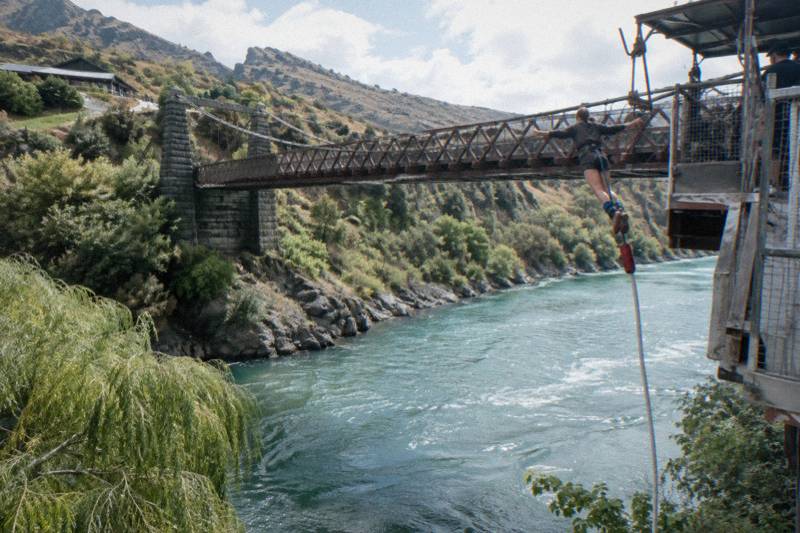
That last point deserves a moment. At the Kawarau Bridge, the operator lowers jumpers to a boat after the jump, and the water touch option, which depends on river level and crew discretion, means water contact is a possibility rather than a promise. At Nevis, you are lifted back to the platform of the cable-car pod. Neither means you swim. Both mean a small chance of dampness at Kawarau and none in the mechanics at Nevis, and that difference alone justifies leaving the dry-clean-only layer at the hotel.
The checklist logic is short. Fitted trousers or shorts rather than anything flowing. A top that stays put when you are upside down. Closed footwear you can tighten, mostly because you are walking on gravel paths, metal grilles and bus steps, not because the operator demands it. No dangling scarves, no loose jewellery worth worrying about, and glasses off or swapped for the operator's prescription goggles. Everything else is weather, comfort and personal preference. For a fuller walk-through of the day itself, the first time bungy expectations guide covers check-in and the jump sequence.
Why Kawarau And Nevis Push Your Wardrobe In Different Directions
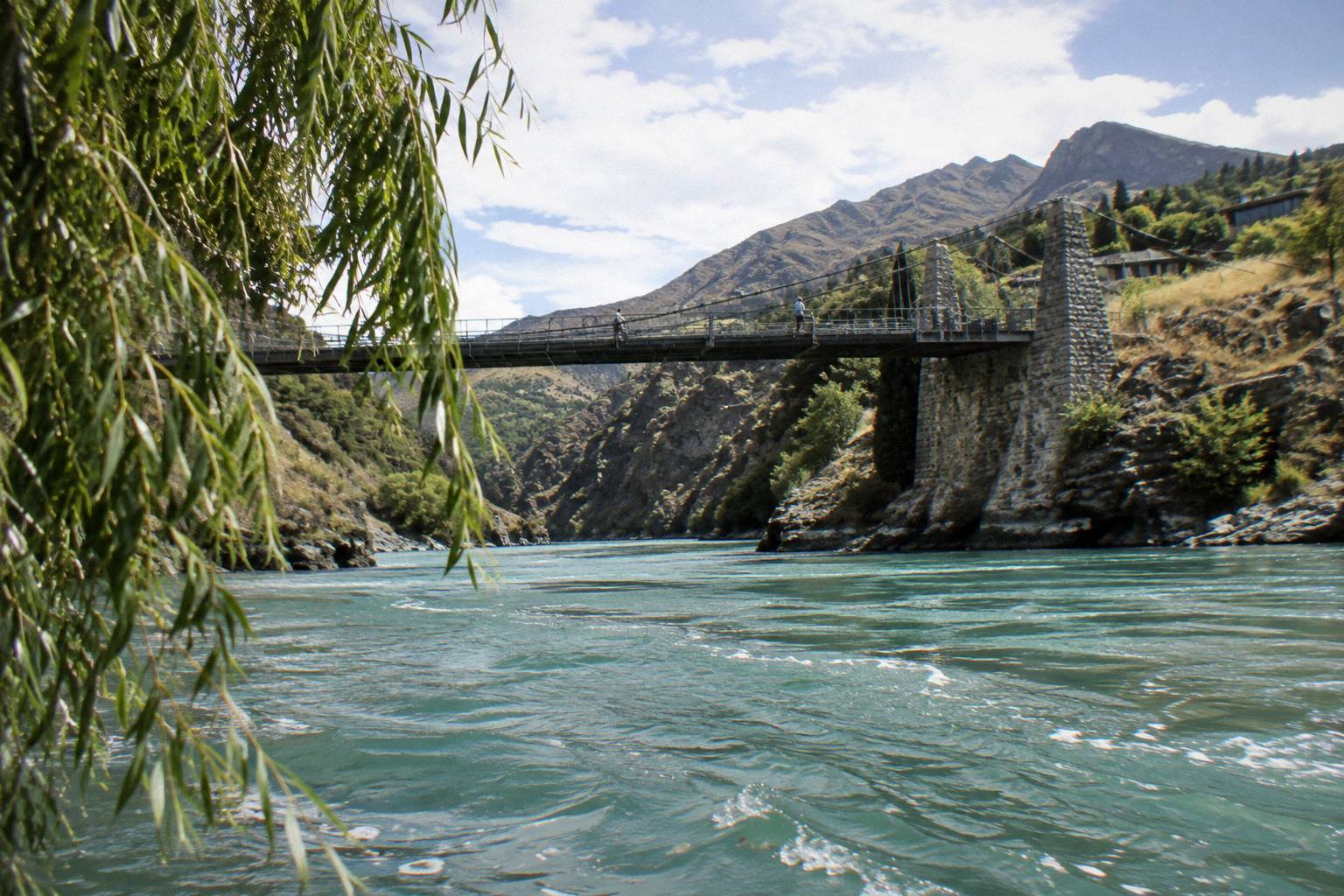
Kawarau Bridge is a short outdoor stop, a 43 m jump from a historic bridge with free parking and free spectators, so you dress for a brief visit. Nevis is a half-day expedition, a 134 m jump from a cable-car pod reached only by a 45 minute 4WD bus ride each way, so you dress for hours on the move.
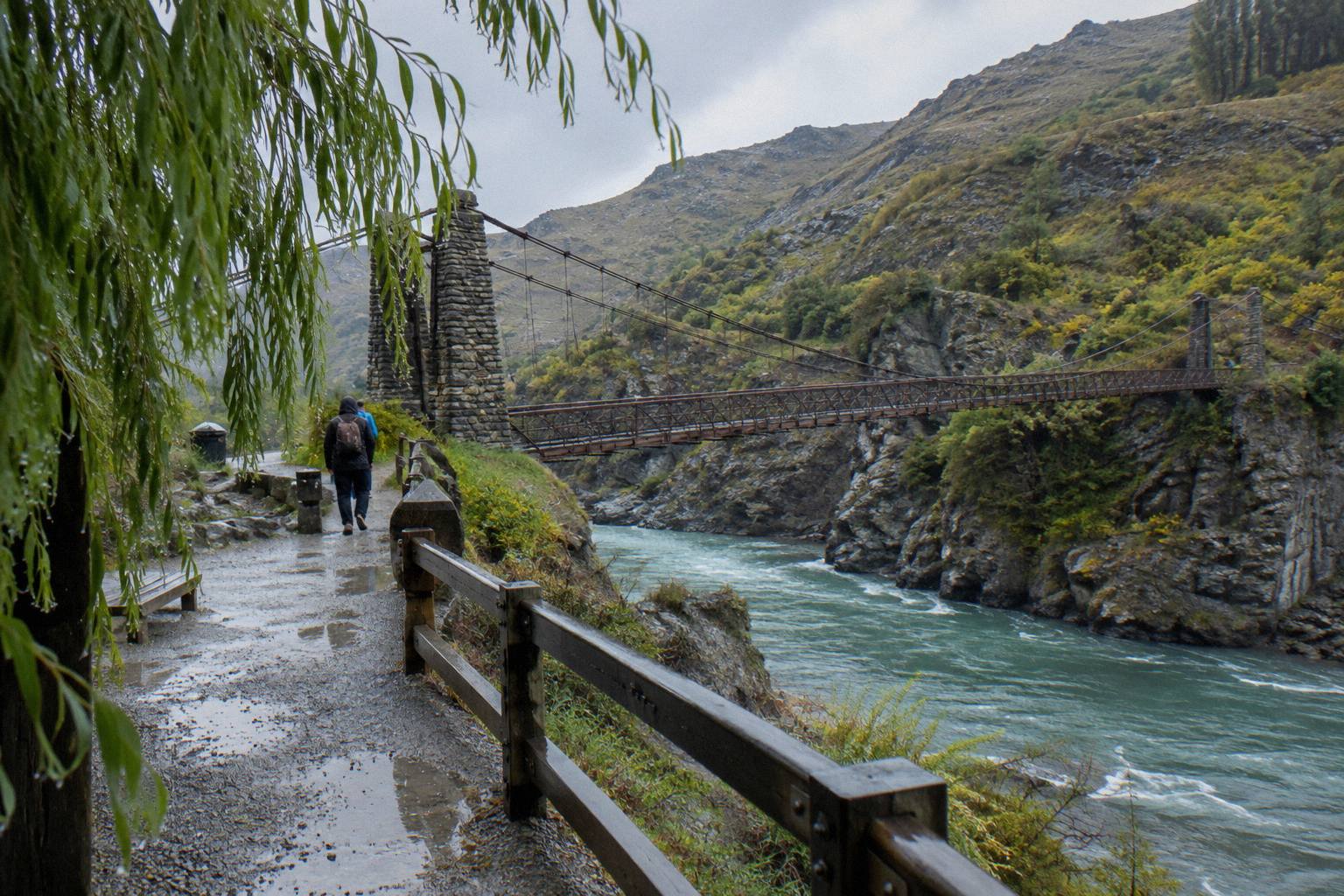
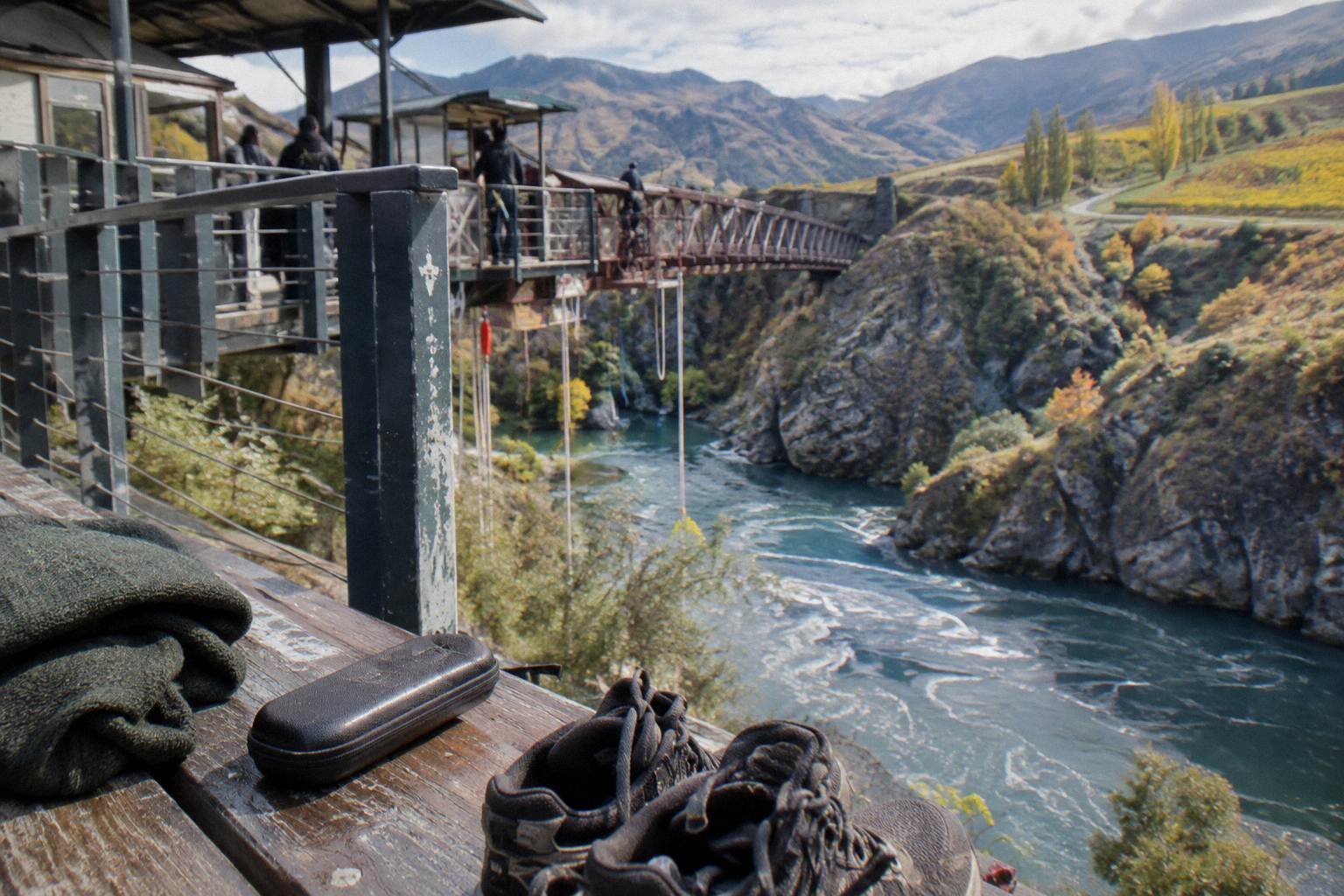
At Kawarau you are, weather permitting, in and out within about ninety minutes of your own driving, and the site is open daily except Christmas Day, 8:30am to 5:00pm from October to April and 9:00am to 4:30pm from May to September, with the last jump 30 minutes before closing. Whatever you wear is worn for a short window, so a warm layer for the check-in and viewing deck is easy to manage. Spectators are free at Kawarau, so a partner can hold a jacket while you jump.
Nevis is different in kind. The 4WD ride is 45 minutes each way and the return transport is included in the price, so your clothing has to survive a bumpy each-way ride, the pod, and the wait while others in your group jump. Nevis operates year round with departure times that vary by day. Layers that can go on and off on the bus are the obvious answer: a mid-layer you can carry, a shell if rain is about, and nothing that needs hanging up neatly. The 43m Bungy, World's First, product is the classic short-visit jump; the 134m Bungy, New Zealand's Biggest, is the expedition.
The price gap between the two single jumps is real but modest: the operator's price is from NZD 320 adult for the Kawarau Bridge bungy and from NZD 395 for Nevis, both changing by date and time. The clothing logic, though, is not about money. It is about how long you will be outside and how much of the day is spent on a bus. If you want the full picture of costs, the Queenstown bungy price guide breaks down every operator price and combo.
Footwear, Glasses And Gear Rules The Operator Actually States
The operator's stated gear rules are narrow: glasses cannot be worn while jumping, free prescription safety goggles are offered on the safety page, and contact lenses are the usual alternative even though the operator does not name them. Drug or alcohol use is banned and testing is possible, while footwear has no stated rule at all, so choose shoes for grip and stability on paths, platforms, and bus steps.
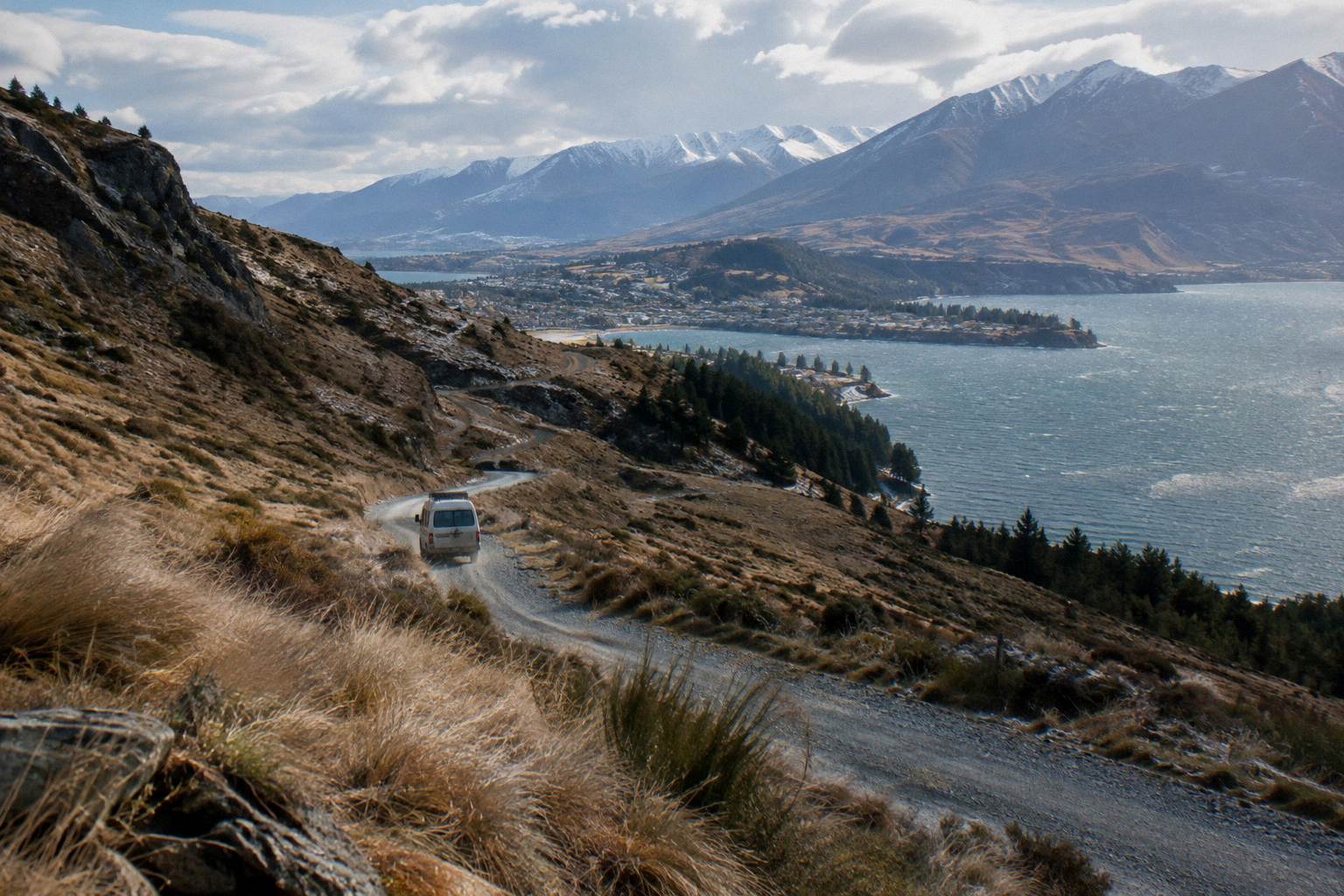
The glasses rule surprises people who have worn specs through every other activity of their lives. The reason is mechanical, not medical: the operator states it plainly across its FAQ and safety pages, and the workaround is stated too. The prescription goggles option is the one piece of gear planning that is worth arranging in advance rather than negotiating at check-in, and the phone numbers, 0800 286 4958 or +64 3 450 1300, reach the operator before the day. The operator's own safety page is where the free-of-charge wording lives.
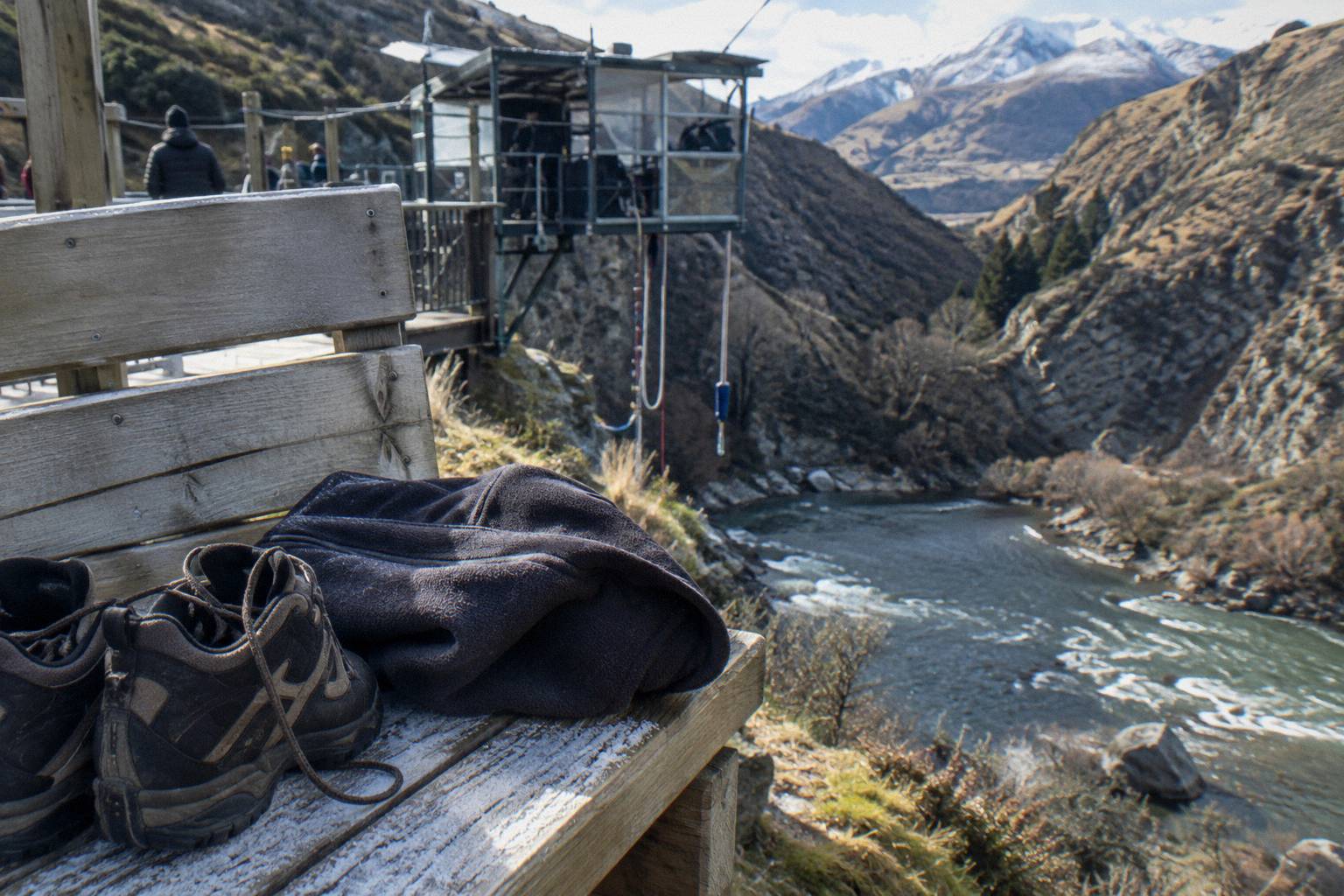
On shoes, honesty is the only policy here: the operator does not state a footwear requirement for either bookable jump. The sensible reading is your own. You will stand on a platform, possibly a boat floor at Kawarau, and the bus steps at both sites. Anything you can tighten and walk in confidently does the job; anything that flips off when you point your toes at the sky is a bet against physics. If you want the operator's confirmation of a specific shoe question, ask when you book rather than assuming.
Jewellery, watches and loose items are in the same category: not regulated in the consulted pages, but obviously candidates for a zip pocket or a spectator's hands. The photos and video point matters here too. The price of the Kawarau and Nevis activities includes photos and video with, in the operator's words, instant delivery to your device, plus an activity t-shirt, so anything that flaps or glares in footage is worth reconsidering. The photos and video guide covers what is included.
Dressing For The Bus Ride, The Check-In And The Wait
Dress for the waiting, not the jump. Both Kawarau and Nevis involve a bus ride, a check-in, and long stretches of standing around before and after your turn, so build your outfit from layers you can carry or shed easily rather than one heavy coat you will be stuck holding for hours.
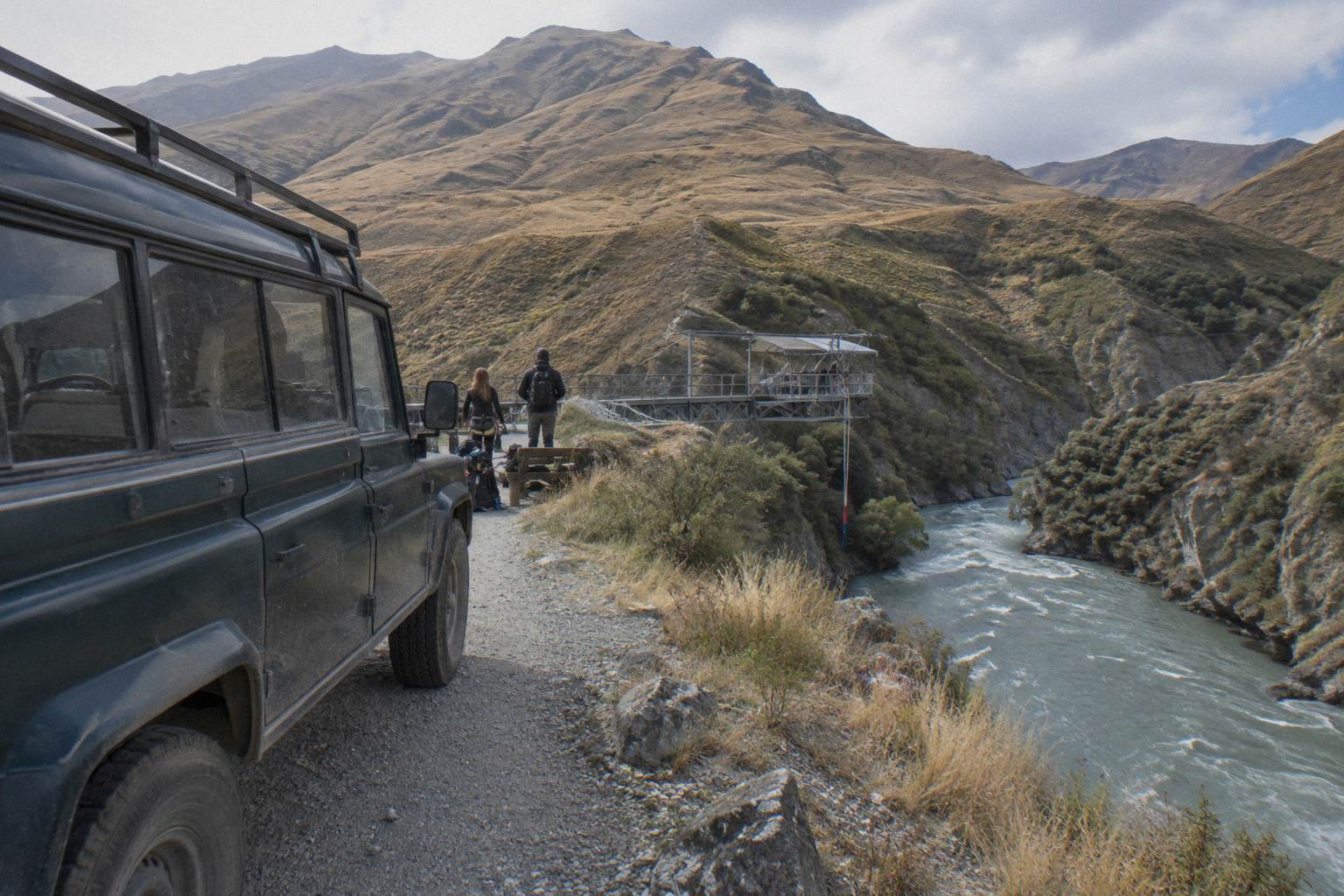
The check-in rules are stated and short: photo ID applies, and at Kawarau you check in 15 minutes before your jump, or 30 minutes before the Bungy Bus leaves town. Under 18s need adult consent at check-in, and under 14s need an adult aged 18 or over on site, who does not have to take part. None of that is clothing, but it all adds standing time, and standing time is what a layer in your day-pack solves. A small bag that a spectator or the bus can hold is more useful than full pockets.
Is booking already done? If not, the Kawarau Bridge bungy is the one where the wardrobe stakes are lowest and the logistics are simplest: a 43 m jump, from NZD 320 adult, rated 4.9 on the operator's listing with no stated review count, and free cancellation or change more than 24 hours ahead. Check availability before you plan the outfit, because the outfit is the easy half of the preparation.
| Part Of The Day | Kawarau (43 m) | Nevis (134 m) | Clothing Implication |
|---|---|---|---|
| Getting there | Self-drive about 25 min from Queenstown, or free Bungy Bus from The Station | 4WD Bungy Bus only, 45 min each way, return included | Layers for a long ride at Nevis; quick-stop dressing at Kawarau |
| Total time | 1.5 h self-drive, 2.5 h by bus | About 3.5 to 4 hours | Carry-on warmth beats a heavy coat |
| Recovery after jump | Lowered to a boat | Lifted back to the platform | Dampness possible at Kawarau, none built in at Nevis |
| Check-in | 15 min before jump, or 30 min before the bus | Departure times vary by day | Standing time: something to shed |
| Spectators | Free | NZD 50 adult, free under 10 | Someone to hold a jacket at Kawarau |
The table is the whole argument in one view. Nevis costs you more hours and more bus, so its clothing question is a comfort question. Kawarau's is a water-and-boat question. Solve the one that applies to your booking and the rest of the wardrobe follows.
The Water Touch Option And What It Means For Clothes
At the Kawarau Bridge, a water touch is an optional dip, not a guarantee, since it depends on river level and crew discretion; if it happens you are dipped rather than submerged, then lowered to a boat, so the standard advice is to wear something that can get damp without ruining your day, while at the Nevis there is no water touch at all because you jump from the pod and are lifted straight back to the platform.
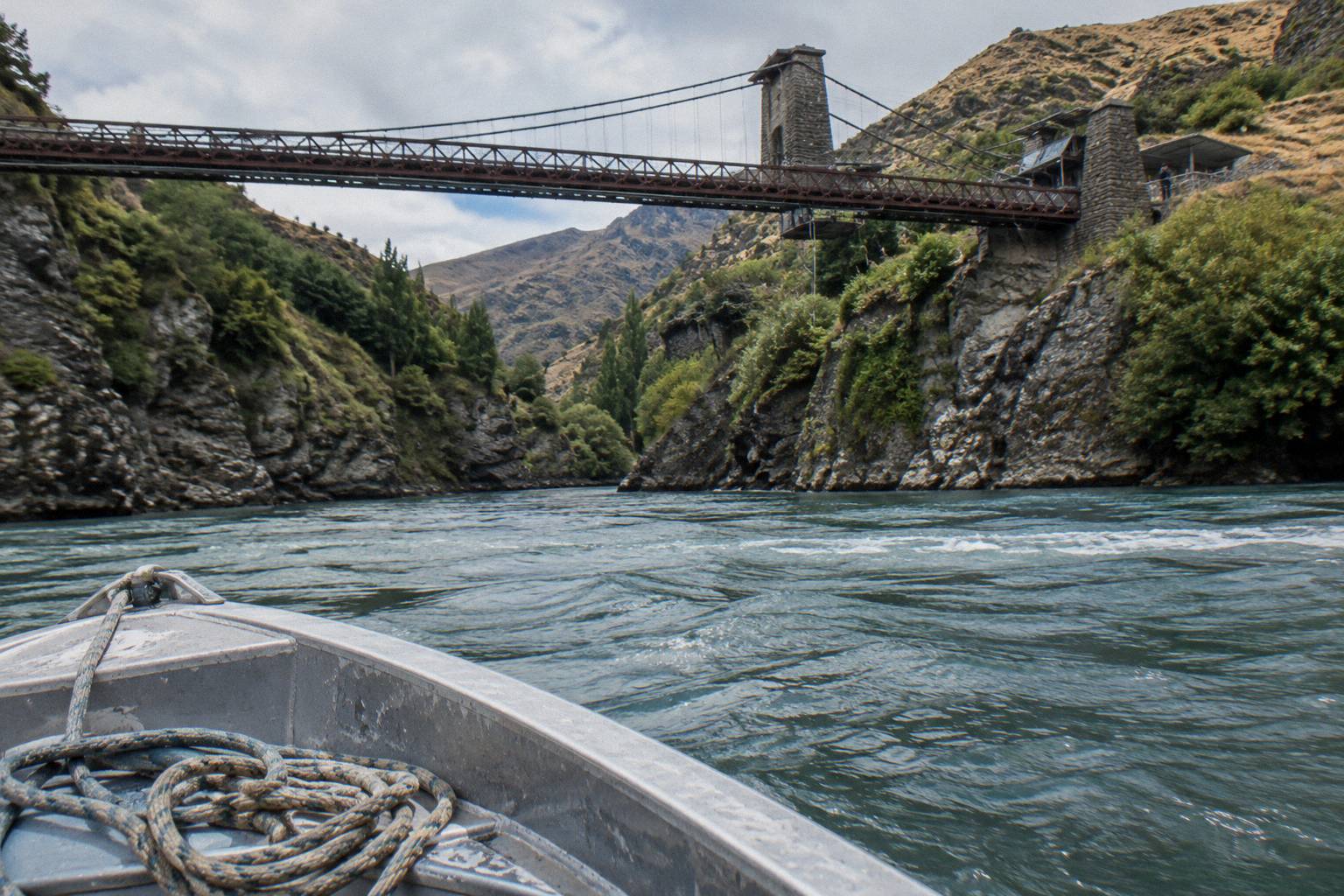
Practically, this means the Kawarau decision is about fabrics, not styles. Quick-dry trousers beat heavy denim if the dip happens; a top you would happily wear again after a splash beats dry-clean-only. Shoes that drain or dry fast are a bonus, not a rule, since the operator states no footwear requirement at all. If the water touch matters to your planning, the water touch guide goes deeper on how the option works and who decides on the day.
One related stated figure belongs here because it changes for heavier jumpers: the Kawarau weight range is 35 to 160 kg solo or tandem, but the maximum drops to 130 kg when the river is high. Weather and river conditions can change operating weight ranges, the operator says, and the crew assesses on the day. None of this is clothing, but it is the same system of crew discretion, so if you are planning around the water touch, plan around the idea that conditions decide, not preferences.
Harness Fit, Health Rules And Things You Must Tell The Crew
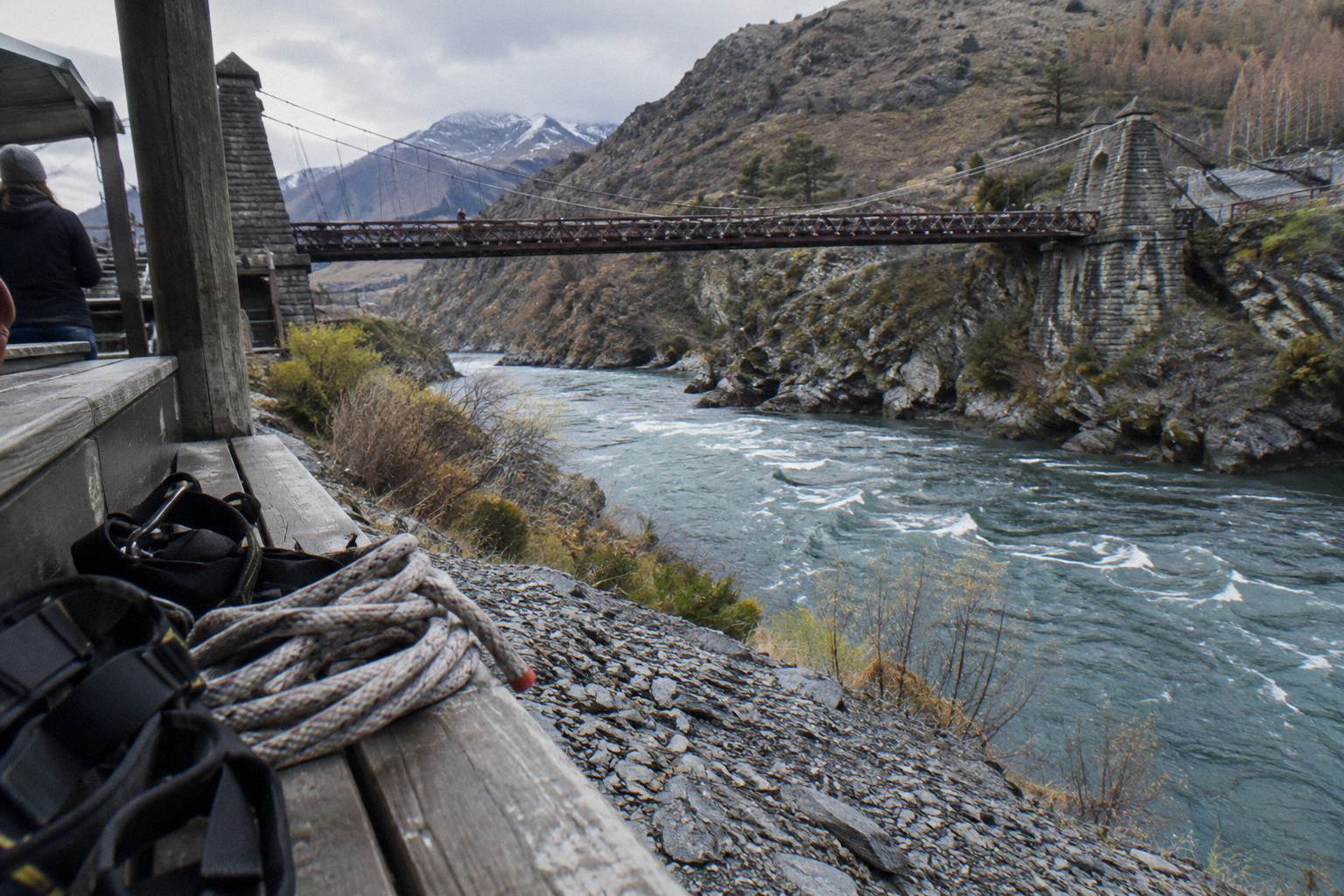
There is no strict height limit, but you must fit the harness, so avoid bulky layers, thick belts and very loose clothes. You must also tell the crew about conditions such as high or low blood pressure, heart conditions, epilepsy, diabetes, asthma, prosthetics, panic or anxiety attacks and recent sprains; pregnant guests and those with photosensitive epilepsy cannot take part, while osteoporosis, scoliosis and recent concussion require a doctor's certificate.
At Kawarau the water touch option is not guaranteed: it depends on river level and crew discretion, and the maximum weight drops to 130 kg when the river is high.
None of those health items dictates a fabric, but two connect to clothing directly. Prosthetics are on the tell-the-crew list, and that conversation is easier in clothes that let the crew do their job quickly. Fragile skin is also on the list, and a bungy harness is a snug, weighted fit by design, so anyone with that concern should mention it when booking and dress so the harness contacts skin or a smooth base layer rather than a seam-heavy outfit. The operator's legal page carries the full health and participation wording.
| Operator Rule | Where It Is Stated | What It Means For What You Wear |
|---|---|---|
| No glasses while jumping | FAQ and safety pages | Contacts, or the prescription safety goggles, free per the safety page |
| Must fit the harness; no strict height limit | FAQ | Fitted base layers over bulky ones |
| No drugs or alcohol; operator may test | Legal page | A heavy night before is a non-refundable risk |
| Weather can change operating weight ranges | FAQ | The crew assesses on the day; dress to be assessed in |
| Photos and video included in activity price | Activity pages | Avoid glare-heavy or flapping items if you care about the footage |
The cancellation rule is the quiet companion to all of this. Cancel or change more than 24 hours before and it is fully refundable, minus the 1.99% card transaction fee; inside 24 hours, a no-show, or deciding not to jump on the day, is non-refundable. So the outfit you choose is also, indirectly, a decision about money: arriving in clothes that work removes one avoidable reason to hesitate at the platform. The cancellation and weather guide covers transfer, reschedule and refund rules in full.
Combos And Clothing: Planning For Two Or Three Activities In One Outfit
Plan one outfit that meets every activity's rules at once: combos stack two or three activities into a single visit, multiplying clothing considerations without changing any rule, and your clothes need to hold up across roughly 1.5 to 4 hours, whether that is the 43 m Kawarau Combo or the 134 m Nevis Combo, Bungy & Swing.
The outfit logic for a combo is simple arithmetic: more activities in the same clothes means more hours, more harness fittings and more waiting, so the fitted, layered approach earns its keep twice over. The Nevis Combo, Bungy & Swing is rated 5.0 on the operator's pages with no stated review count, and the Thrillogy and Kawarau Combo carry no stated rating at all. Those figures describe feedback, not clothing, but they are worth knowing before you commit a half day to one site.
For the Thrillogy, one more stated figure matters to gear planning: the catapult propels riders 150 m with up to 3Gs, the operator says, and its age and weight limits match the Nevis bungy at 13 and up and 45 to 127 kg. The harness story is therefore the same across all three Nevis activities, so one well-chosen outfit serves the whole set. The operator's combos page lists the pairings and the stated savings.
At the Kawarau end, the combo question doubles the water question. The swing sits at the same 43 m as the bridge jump, and the combo keeps you at the river site for 1.5 to 2.5 hours, so the dampness caveat from the water touch section applies for the full stay rather than one jump. If a combo is on your shortlist, the combo deals guide compares every operator pairing and saving.
Weather, Seasons And Booking Timing Without Invented Numbers
The operator runs in most weather, including rain, and if conditions or safety stop your trip you can transfer, reschedule or take a full refund; no wind, rain or temperature figures are published, so none are invented here. For booking, aim 4 to 6 weeks ahead in summer, especially from 15 December to 15 January (busiest 30 December to 2 January), while about 48 hours ahead usually works outside peak.
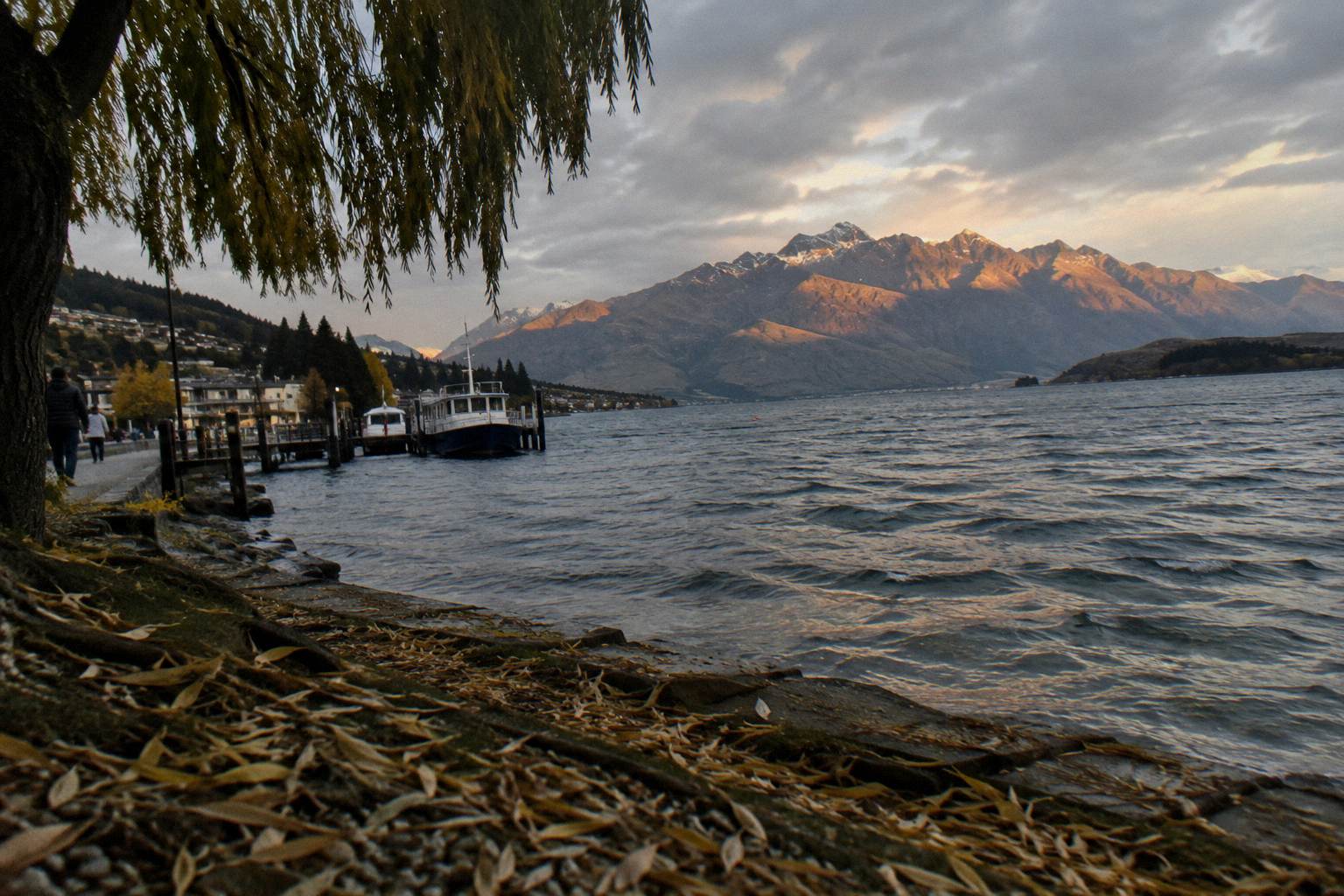
What follows from that is a decision process, not a packing list with fake numbers. Queenstown has four real seasons, and you know your own travel dates better than any article can. The honest method: check the forecast a day or two out, choose layers that match it, and remember that the harness and the boat, not the calendar, set the constraints. The best time to bungy guide covers season and booking-timing decisions in detail.
Summer jumpers have the easier wardrobe problem, but the peak-booking mathematics matters more: if you are jumping between 15 December and 15 January, the slot, not the shirt, is the scarce resource. Winter jumpers should weight the kit toward warmth you can remove on the bus and refit on the platform, since the Kawarau winter hours, 9:00am to 4:30pm from May to September, compress the day. Neither season changes any stated rule: glasses stay off, the harness must fit, and the crew decides on the day.
| Decision | Question To Ask Yourself | The Stated Fact That Answers It |
|---|---|---|
| Layers or single layer | How long am I outside and on a bus? | Nevis runs about 3.5 to 4 hours; Kawarau 1.5 h self-drive |
| Fabric choice | Could I get dipped in river water? | Kawarau water touch is optional and crew-decided; recovery is by boat |
| Footwear | Can I walk gravel, metal and bus steps confidently? | No stated shoe rule; grip and retention are your call |
| Eyewear | What replaces my glasses? | Prescription goggles, free per the safety page, or contacts |
| Baggage | Who holds my stuff? | Free spectators at Kawarau; NZD 50 spectator at Nevis, free under 10 |
The table reads as a five-question quiz, and if you can answer all five you are dressed. It is worth saying plainly that no part of this comes from a rulebook the operator published on clothing, because no such page exists in the material consulted. Everything here is either a stated rule or a direct consequence of stated logistics.
Common Mistakes When Choosing Bungy Jumping Clothes
The most common mistakes are wearing glasses without a plan, choosing loose or bulky layers that fight the harness, assuming the water touch is guaranteed while dressed in something that cannot get damp, and arriving after a big night against the no-alcohol rule. Every fix is free: arrange goggles in advance, wear fitted quick-dry layers, and keep the night before quiet, because this is a planning problem rather than a shopping problem.
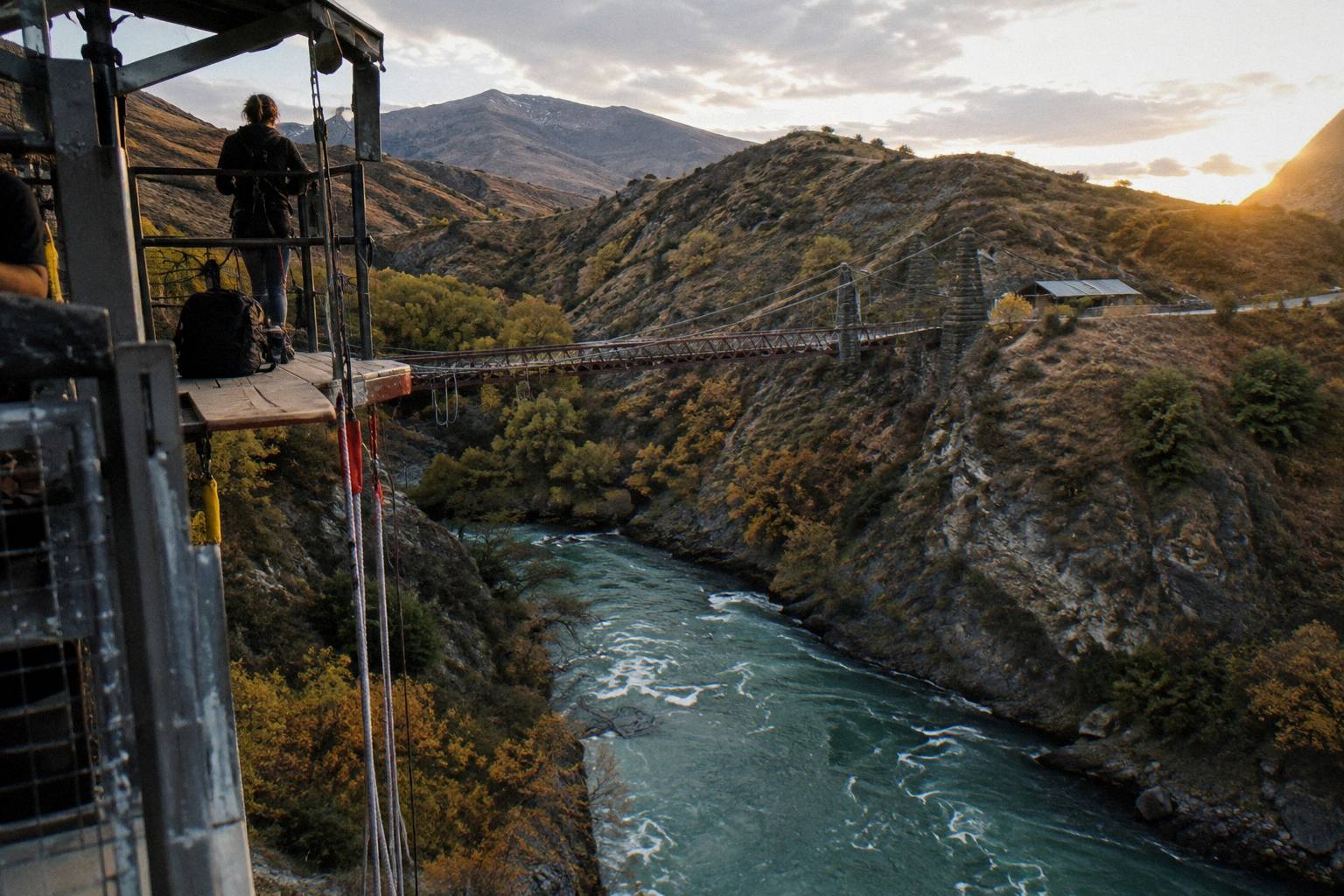
The mistakes worth naming, in rough order of how often they bite:
- Planning the outfit before booking the slot. Summer Nevis slots go 4 to 6 weeks ahead, per the operator, and the busiest days, 30 December to 2 January, go first. Clothes can be changed the night before; slots cannot.
- Assuming a dress code exists and over-packing for it. No dress code is stated. Fitted clothes, layers and grip are the whole brief.
- Bringing glasses and no plan B. The no-glasses rule is stated. Contacts or the prescription goggles, free per the safety page, solve it.
- Wearing brand-new or stiff shoes. No shoe rule exists, but a day of gravel paths, a bus and possibly a boat floor rewards broken-in footwear.
- Forgetting the wait. Check-ins, buses and other jumpers' turns add standing time at both sites. A carried mid-layer beats an worn-in coat.
- Leaving the medical conversation to the platform. The operator's health list is long and specific, and the stated advice is to check with your doctor and tell the crew when you book, not on arrival.
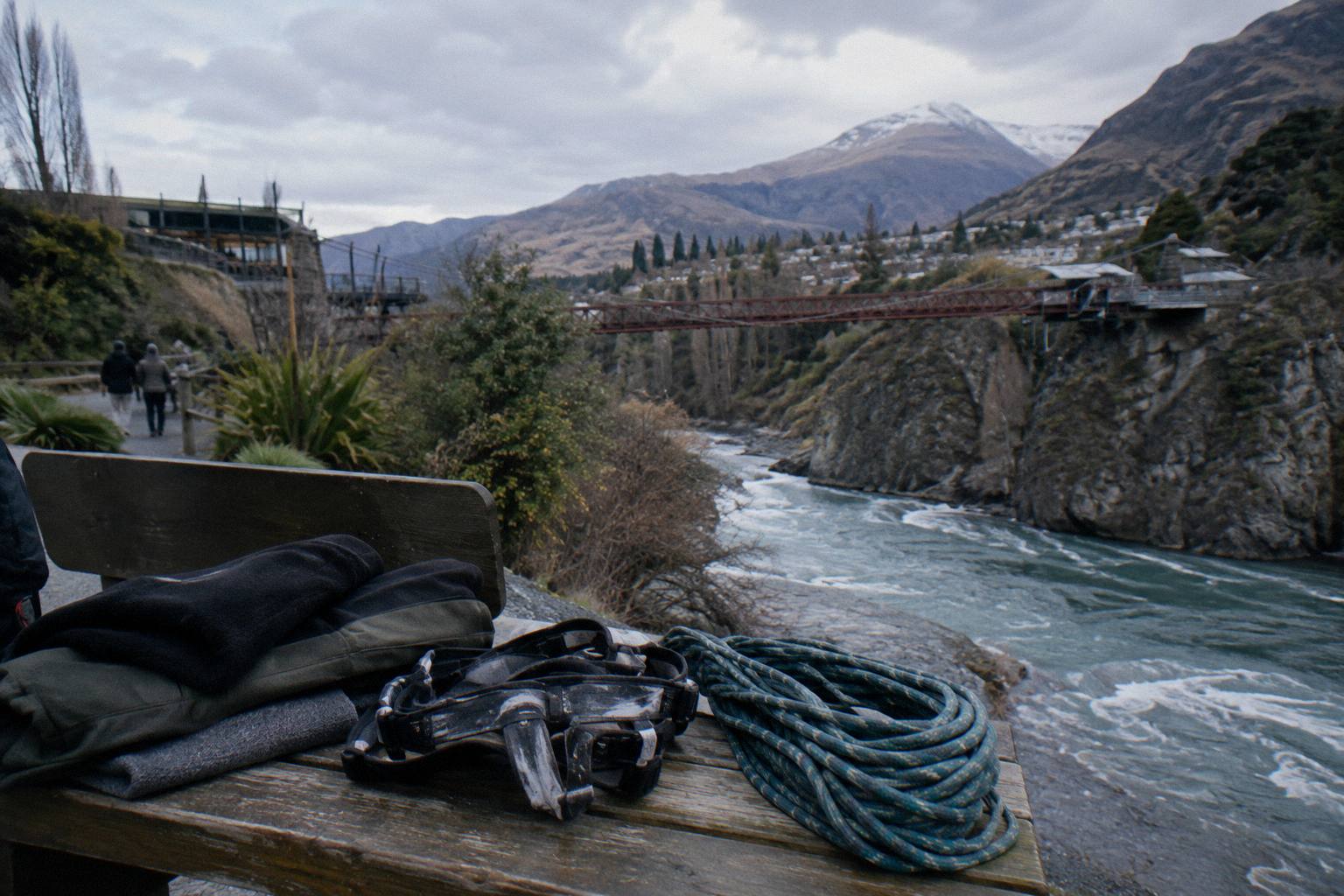
The last mistake is the expensive one, because the inside-24-hours rule makes a platform-side decision not to jump non-refundable. If clothing or health doubts surface, surface them on the phone first: 0800 286 4958, or +64 3 450 1300, or WhatsApp on +64 3 450 2823. The operator's FAQ page holds most of the booking, transport and health answers quoted across this guide.
Common Questions About What To Wear Bungy Jumping
What To Wear Bungy Jumping In Queenstown?
There is no operator-stated dress code, so wear fitted clothes you can move in, layers you can shed for the bus rides and the wait, and closed shoes you can tighten. Two rules are stated: glasses cannot be worn, though prescription safety goggles are available free per the operator's safety page, and no drugs or alcohol. At Kawarau you are lowered to a boat, so choose fabrics that can get damp.
Can You Wear Glasses Or Contact Lenses Bungy Jumping?
Glasses cannot be worn while jumping, per the operator. Prescription safety goggles are available, and the operator's safety page says they are free of charge. Contact lenses are a common alternative, though the operator does not state a policy on them in the pages consulted; if in doubt, ask on 0800 286 4958 before the day.
Do You Need Special Shoes For A Bungy Jump?
No. The operator states no footwear requirement for the Kawarau Bridge or Nevis jumps. Choose shoes for grip and for staying on, since the day involves gravel paths, platform surfaces and bus steps, and at Kawarau possibly a boat floor.
Will My Clothes Get Wet At The Kawarau Bridge?
Possibly. The water touch is an option that depends on river level and crew discretion, and recovery is by boat, so dampness is possible rather than guaranteed. Quick-dry fabrics are the sensible hedge. At Nevis there is no water contact in the jump mechanics: you are lifted back to the platform.
Can You Bring A Bag To The Bungy?
The operator does not state a bag policy in the pages consulted. Practical workarounds are stated by implication: spectators are free at Kawarau, so someone can hold your things, and the Bungy Bus at both sites is part of the day. Ask the operator on 0800 286 4958 for a definitive answer.
Does What You Wear Affect The Harness?
Yes, indirectly. The operator states there is no strict height limit but you must fit the harness, and bulky or very loose clothing makes a good fit harder. Fitted base layers and nothing thick at the waist or legs are the practical reading of that rule.