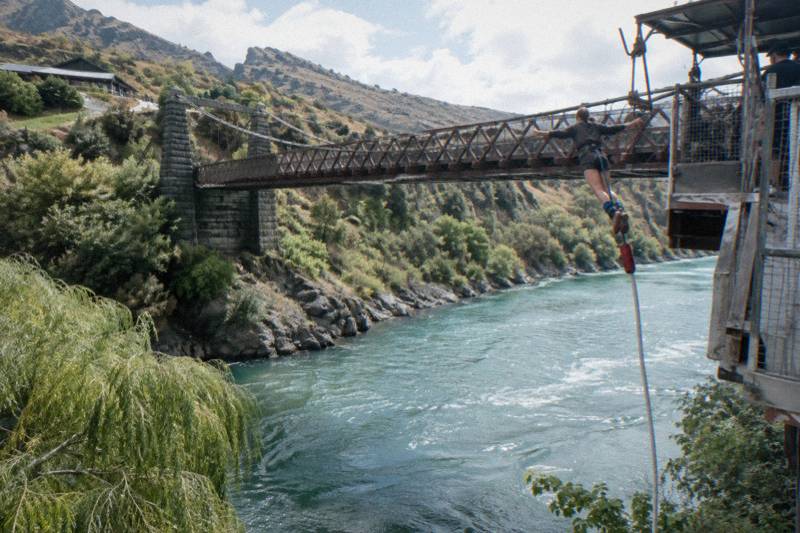
Can You Bungee Jump With Diabetes In Queenstown?
Diabetes is on the operator's tell-the-crew list, not its excluded list. Here is what AJ Hackett Bungy's health rules actually say, and how to book a Queenstown bungy with a medical condition.
Diabetes sits on the Queenstown bungy operator's "tell the crew" list. That single placement answers the core question: it is a condition you disclose, not a condition the operator excludes. The full, honest answer is three steps long. Check with your doctor before you book. Tell the crew about the diabetes when you book, not on the platform. Then choose between the two bookable sites, Kawarau at 43 m or Nevis at 134 m, knowing both apply the same health list.
One company, AJ Hackett Bungy NZ, runs every bookable bungy in Queenstown, so the health rules below apply whichever jump you pick. The operator's own safety page and FAQ are the source for everything stated here, and where the operator says nothing, this article says nothing either. No medical advice follows, because none is ours to give: the guidance is the operator's list, plus "check with your doctor", plus "tell the crew when you book".
The stakes of getting the order right are real but small. The operator's own booking system is built around disclosure rather than exclusion. What follows breaks the rules into their three categories, walks the booking mechanics step by step, compares the two sites on the facts that actually differ, and closes with the mistakes that cost people money. If you read nothing else, read the first table and the section on timing.
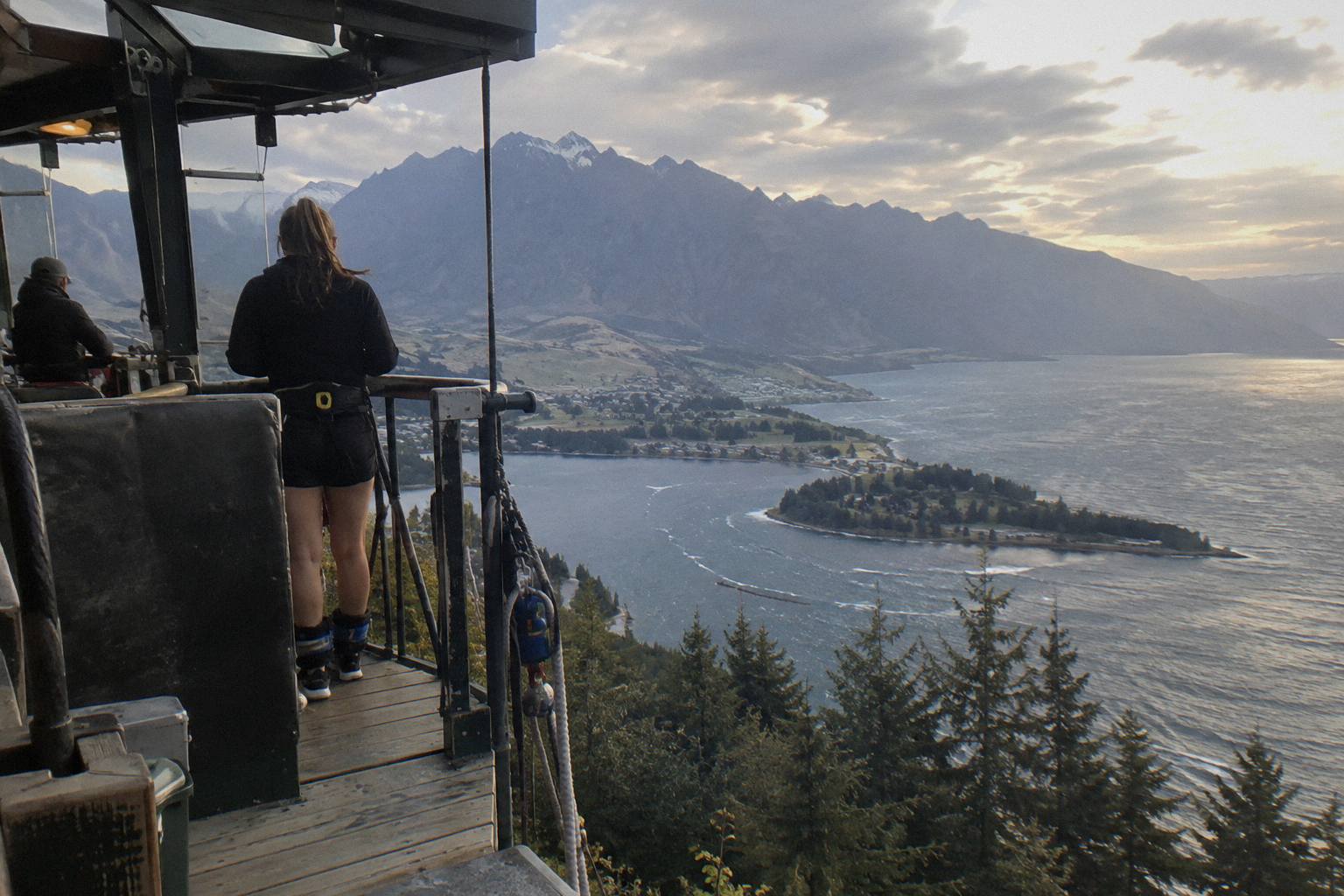
Can You Bungee Jump With Diabetes?
Yes, you can, because diabetes is not on the excluded list; it is simply a condition you must declare. AJ Hackett Bungy NZ asks every guest to declare diabetes alongside asthma, heart conditions and others, and the crew assesses participation on the day. No operator rule bars a guest with diabetes outright; the decision runs through your doctor and the crew, not a blanket policy.
The distinction between the three categories is the whole game, so it is worth laying them out plainly. The operator's safety page and legal page sort health topics into a disclose list, a small excluded group, and a doctor's certificate group. Diabetes is in the first, mildest group. Here is the full sort as the operator states it.
| Category | Conditions, as the operator lists them | What you do |
|---|---|---|
| Tell the crew | High or low blood pressure, heart conditions, epilepsy, high myopia, broken or fractured bones, dislocations, fragile skin, neurological disorders, diabetes, asthma, prosthetics, panic or anxiety attacks, recent sprains or muscular injuries | Declare it when you book and again at check-in |
| Cannot take part | Pregnancy, photosensitive epilepsy | Not a booking option |
| Doctor's certificate needed | Osteoporosis, scoliosis, recent concussion | Bring a certificate to jump |
The word "diabetes" appears in the same row as asthma and panic attacks, conditions many guests declare every year and jump after. That placement is the operator's, and it is the strongest statement available: disclosure, assessment, participation. What the crew does with your disclosure is discretionary, and the operator says the crew assesses on the day, so the honest framing is that declaring diabetes opens the door rather than guaranteeing a jump. Nothing about blood sugar, insulin, fasting or equipment follows here, because the operator states none of it and medical claims are outside this site's lane.
A useful way to read the table is to notice what is absent from it. There is no severity scale, no requirement to state numbers, no separate form for chronic conditions. The operator's system treats diabetes the same as a recent sprain or a prosthetic: one line of information, given to a professional, assessed in context. That flatness is deliberate on the operator's part, and it keeps the medical judgement where it belongs, with your doctor and the trained crew rather than with a booking widget.
If you want the wording from the source, the operator's safety page carries the health list, and the operator's legal page repeats it alongside the participation rules. Read both before booking if you like primary sources; everything in the table above comes from those two pages.
What The Operator's Health Rules Actually Say
The operator's health rules are a disclosure system, not a medical screening. You tell the crew about diabetes and the other listed conditions, the crew assesses on the day, and two categories, pregnancy and photosensitive epilepsy, are excluded outright. A third group, osteoporosis, scoliosis and recent concussion, needs a doctor's certificate. Beyond the list, the operator's only extra rules are no drugs or alcohol, which it may test for, and no glasses on the jump.
The system is built around the check-in conversation. Under 18s need adult consent at check-in, and under 14s need an adult aged 18 or over on site, though that adult need not take part. Health disclosures work the same way: they happen where the crew can act on them, at booking and at check-in. The operator's FAQ puts it simply, declare the condition, let the crew assess. There is no form that asks you to grade your diabetes or state numbers, and the operator prints no such requirement anywhere on its pages.
Two further rules sit beside the health list. No drugs or alcohol before a jump, and the operator says it may test. Glasses cannot be worn, and prescription safety goggles are available; the operator's safety page says these are free of charge. Neither rule touches diabetes, but both come up in the same check-in conversation, so know them before you stand in the queue.
There is one more stated limit that interacts with eligibility in a physical rather than medical way: you must fit the harness, and there is no strict height limit as such. Weather can change operating weight ranges, and the crew assesses on the day. The full age and weight picture is its own topic, covered in detail in the guide to bungy jump age limits and the guide to bungy jump weight limits; the short version as it affects this article is that Kawarau and Nevis draw their lines differently, and neither site applies the other's.
How Telling The Crew Works When You Book
You declare diabetes twice: once when you book, so the operator has it on record, and once at check-in, where the crew assesses on the day. The operator's contact points are 0800 286 4958, +64 3 450 1300 and WhatsApp +64 3 450 2823. Call before booking if your situation is complicated, because a phone call costs nothing and a cancellation inside 24 hours costs the full price.
The cancellation rule is why the order of operations matters. Cancel or change more than 24 hours before your jump and it is fully refundable, minus a 1.99% card transaction fee that is non-refundable. Inside 24 hours, a no-show, or standing on the platform and deciding not to jump, all fall on the non-refundable side. A guest who discloses a condition by phone first, books second, and raises it again at check-in has spent nothing and risked nothing. A guest who books first and sorts the health question later has put the full fare at risk if the answer goes sideways.
The timing advice the operator itself gives reinforces the point. Book the Nevis Bungy four to six weeks ahead in summer, it says, with peak running 15 December to 15 January and the busiest days 30 December to 2 January. Outside peak, about 48 hours ahead is usually enough. A long lead time is only an advantage if the medical questions are settled before the booking is made, otherwise it just gives you more days inside which to cancel carelessly. The guide to bungy booking and check-in walks through the whole sequence with photo ID and check-in windows spelled out.
Booking direct carries a few perks the operator states itself: photos and video with instant delivery to your device, and an activity t-shirt, all included in the price. The operator also runs a best price guarantee, matching a cheaper live price if you contact it before booking, and it discounts multi-activity bookings, NZD 50 off per activity for two or more, NZD 70 off per activity for three or more. More detail on that lives in the queenstown bungy combo deals guide.
Weather interacts with all of this in one specific way: the operator runs in most weather including rain, and if weather or safety stops the operation, you can transfer, reschedule or take a full refund. Weather can also change operating weight ranges, which matters for the limits in the next section. The interplay of weather, cancellation and refunds gets the full treatment in the guide to bungy cancellation and weather.
Which Queenstown Bungy Site Suits You Best
Kawarau and Nevis are the two bookable sites, and their practical differences are age, weight, time and price. Kawarau takes ages 10 and over at 35 to 160 kg, from NZD 320, and runs 1.5 hours self-drive or 2.5 hours by bus. Nevis takes ages 13 and over at 45 to 127 kg, from NZD 395, and runs about 3.5 to 4 hours with 4WD transport included. Health rules are identical at both.
Here is the side-by-side from the operator's pages, plus the combo products built on the same two jumps. Note that Kawarau's solo maximum drops to 130 kg when the river is high, and that the two swings and the catapult sold on their own are secondary offers, not the four bookable combo tours.
| Product | Site and height | Ages | Weight (kg) | Time | Operator price from |
|---|---|---|---|---|---|
| 43m Bungy, World's First | Kawarau, 43 m | 10+ | 35 to 160 solo, 130 max in high river | 1.5 h self-drive, 2.5 h bus | NZD 320 adult, NZD 280 child |
| 134m Bungy, New Zealand's Biggest | Nevis, 134 m | 13+ | 45 to 127 | About 3.5 to 4 h | NZD 395 |
| Nevis Combo, Bungy & Swing | Nevis, 134 m | 13+ | 45 to 127 | About 4 h | NZD 620 |
| Kawarau Combo, Bungy & Swing | Kawarau, 43 m | 10+ | 35 to 150 | 1.5 to 2.5 h | NZD 460 |
One more wrinkle from the operator's legal page: Kawarau is its preferred Queenstown site for guests with more severe mobility impairment, with participation at the operator's discretion. That is stated for mobility, not for diabetes, but it tells you which site the operator treats as its more flexible one. If your health conversation with the crew is likely to be nuanced, Kawarau is the site where the operator has publicly positioned itself that way. It is also the easier site logistically for anyone who prefers to control their own schedule: the Kawarau Bungy Centre sits on State Highway 6 in Gibbston Valley, about 25 minutes and 23 km from Queenstown, with free parking, so a self-drive visit can fit into 1.5 hours.
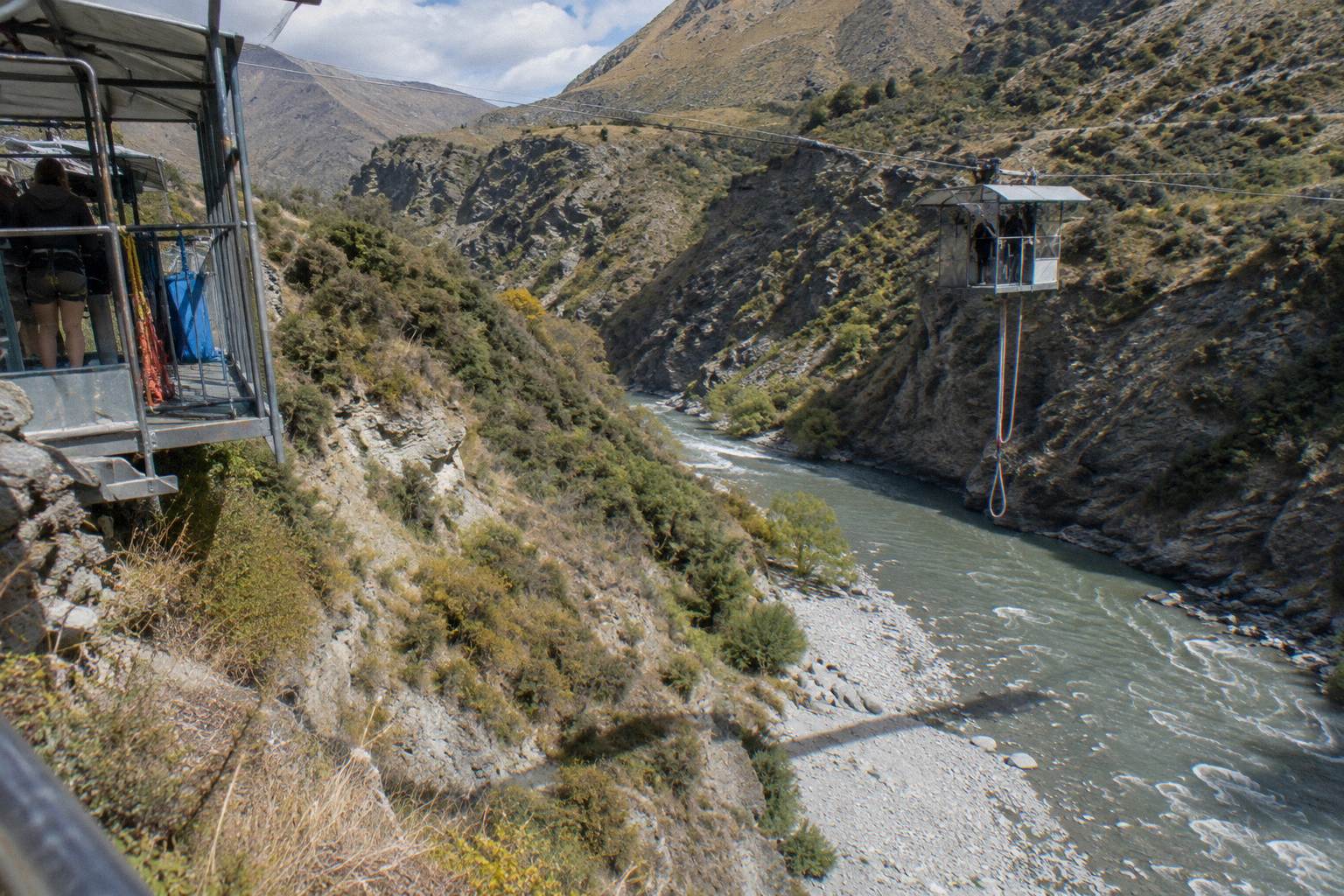
The Nevis jump, for contrast, is made from a cable car pod over the canyon, reached only by the operator's 4WD Bungy Bus across private land, with no self-drive option. The bus ride is 45 minutes each way and return transport is included in the price; a pickup at Kawarau can be requested. At Nevis you are lifted back to the platform after the jump; at Kawarau you are lowered to a boat. The 134 m Nevis Bungy carries a 5.0 rating across 122 reviews, and the Kawarau Bridge Bungy a 4.9 rating, figures printed beside their counts and never compared. If the big one is the one you want, Check availability after your doctor conversation, not before it.
What Trips People Up When Booking With A Condition
Three mistakes cost people money or their jump. Booking before the doctor conversation, then cancelling inside 24 hours and losing the fare. Declaring the condition on the day instead of at booking, leaving the crew no room to assess. And assuming one site's limits apply to the other, when Kawarau and Nevis differ on age, weight and even how you get there. Each is avoidable with a phone call and a calendar.
“Amazing experience all around. The staff were fantastic and the pictures and videos they capture are incredible!”
The first mistake is the expensive one. The 24-hour line is hard: outside it you get everything back minus the 1.99% card fee, inside it you get nothing back, and "decided not to jump" is explicitly non-refundable in the operator's own words. Book summer Nevis four to six weeks ahead, the operator advises, with peak from 15 December to 15 January and the busiest days 30 December to 2 January. Book early, but hold the booking until the medical questions are settled, not after.
“Hands down one of the most incredible experiences of my life! Everything from the scenery, the great vibes from the crew, and the jump itself was simply amazing. 10/10 recommend!!”
The second mistake is quieter. The operator asks for disclosure when you book, and the crew assesses on the day; skipping the first step compresses the second into a platform-side conversation with a queue behind you. Call 0800 286 4958, say what applies to you, and let the operator note it. The third mistake is mixing up limits: Kawarau's 160 kg solo maximum is not Nevis's 127 kg, Kawarau's age 10 floor is not Nevis's 13, and Nevis's 4WD-only access has no self-drive equivalent. A fourth, smaller trap deserves a line: forgetting photo ID, which the operator requires at check-in alongside everything else.
Spectators, incidentally, are free at Kawarau and NZD 50 for adults at Nevis, free under 10, so a partner or parent can be on site without jumping, which matters for under-14s who need an adult present anyway. Neither fact is medical, but both shape the day for a family booking around one jumper's health conversation. The guide to watching a bungy as a spectator covers that side of the day in full.
Where This Fits With Other Conditions And Questions
The same disclosure logic covers asthma, scoliosis and every other condition on the operator's list, and the deeper background lives in two places: the medical conditions guide and the safety guide. If your question is broader than diabetes, start there, then come back to the site choice. The order never changes: doctor first, disclosure second, booking third.
“If you're in Queenstown, do this! You will NOT regret it. So glad I overcame any fears, thanks to the wonderful staff at AJ Hackett, and can say I've bungy jumped off the highest ledge in New Zealand.”
For guests juggling more than one condition, the categories can stack. Diabetes plus asthma is two items on the same tell-the-crew list, one declaration. Diabetes plus scoliosis would put one item on the disclose list and one in the doctor's certificate group, so a certificate comes too. The can you bungee jump with asthma post walks through that condition's specifics the same way this one has, and the wider guide to medical conditions and bungy jumping holds the whole list in one place. None of these articles, including this one, replaces the two conversations that decide the outcome: yours with your doctor, and the crew's with you.
The safety backdrop, if it helps you frame the risk conversation, is the operator's own: it says a code of practice it instigated in 1990 is now an industry standard for Australia and New Zealand, and it describes its own record in its own words on the operator's about page. The longer is bungy jumping safe guide takes that question seriously on its own terms.
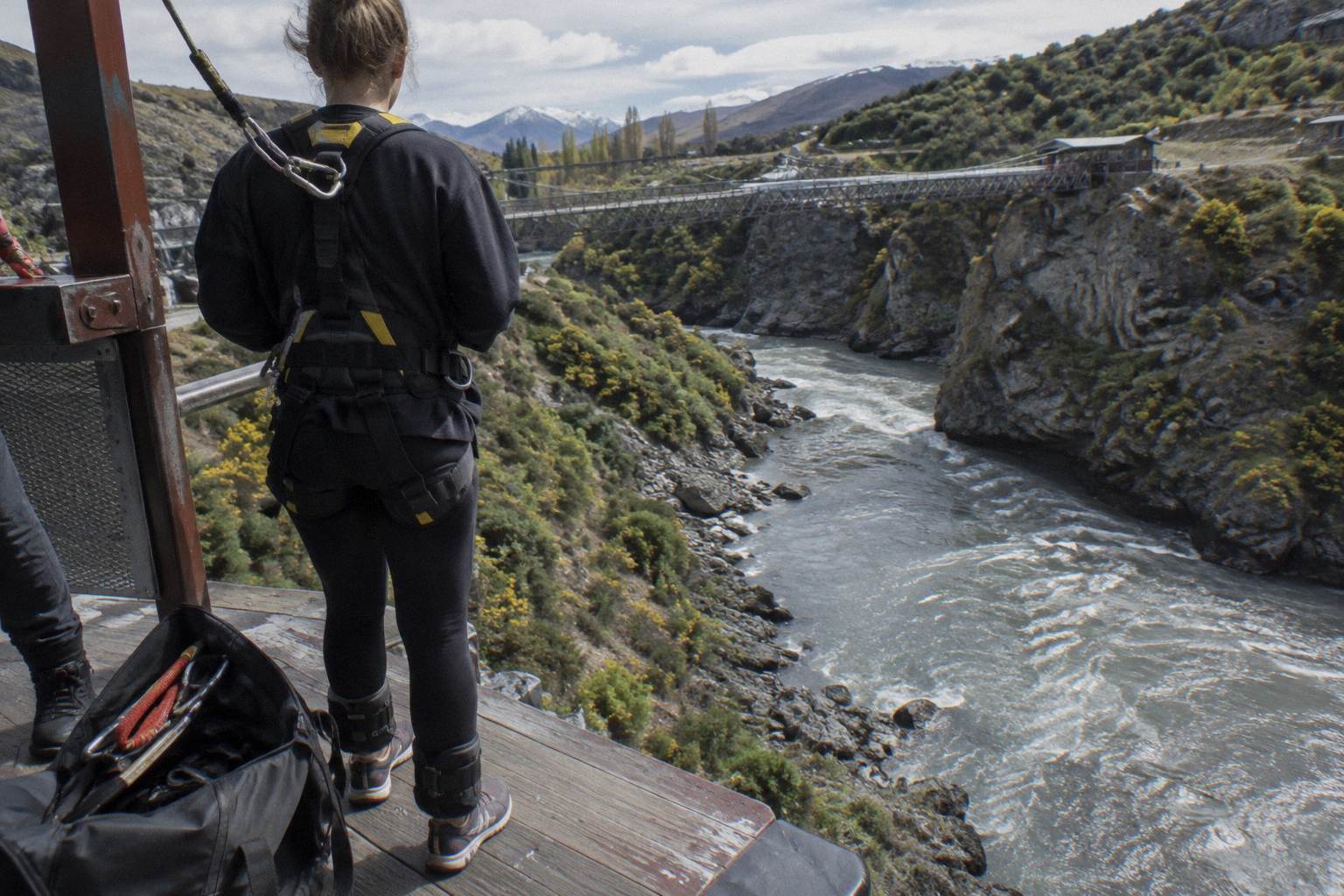
If fear rather than health is the real obstacle, the first time bungy guide and the bungy jumping with fear of heights guide cover the psychology side, and whether the whole thing is worth it is its own question, honestly answered over at Queenstown Bungy Jump. The medical question, though, ends where it started: diabetes is a declare-it condition, your doctor is the first call, and the crew is the second.
Common Questions About Bungy Jumping With Diabetes
Can You Bungee Jump With Diabetes?
Yes, as a booking matter: diabetes is on the operator's tell-the-crew list, not its excluded list. Check with your doctor first, tell the crew when you book, and the crew assesses on the day. The operator's rules bar pregnant guests and guests with photosensitive epilepsy outright, and diabetes is not in that group.
Do I Need A Doctor's Certificate To Bungy Jump With Diabetes?
The operator's certificate rule covers osteoporosis, scoliosis and recent concussion, not diabetes. For diabetes the requirement is disclosure: tell the crew when you book. Still check with your own doctor before booking, which is the advice for every condition on the list.
When Should I Tell The Bungy Operator About My Condition?
Twice: when you book, and again at check-in. The operator's contact numbers are 0800 286 4958 and +64 3 450 1300, plus WhatsApp +64 3 450 2823. Declaring early costs nothing; cancelling inside 24 hours is non-refundable.
Does The Health Check Differ Between Kawarau And Nevis?
No. The health list is the operator's and applies at both sites. What differs is age and weight limits, access, and time: Kawarau is 10+ at 35 to 160 kg with self-drive possible, Nevis is 13+ at 45 to 127 kg with 4WD transport only.
Can I Cancel If My Doctor Says No?
Cancel or change more than 24 hours before the jump and it is fully refundable, minus a non-refundable 1.99% card fee. Inside 24 hours, a no-show, or deciding not to jump, is non-refundable. Have the doctor conversation before booking, not after.