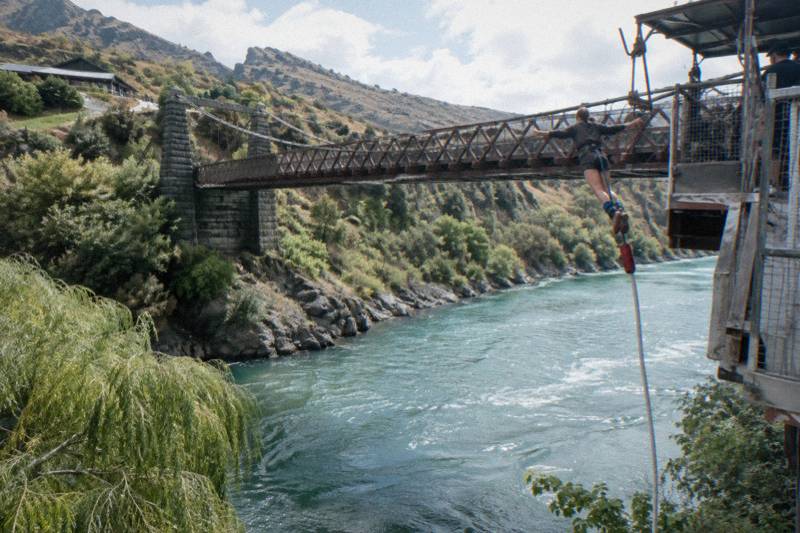
Did New Zealand Invent Bungee Jumping?
New Zealand did not invent bungee jumping, but it did commercialise it: the story of the Kawarau Bridge, AJ Hackett, Henry van Asch and the world's first commercial bungy.
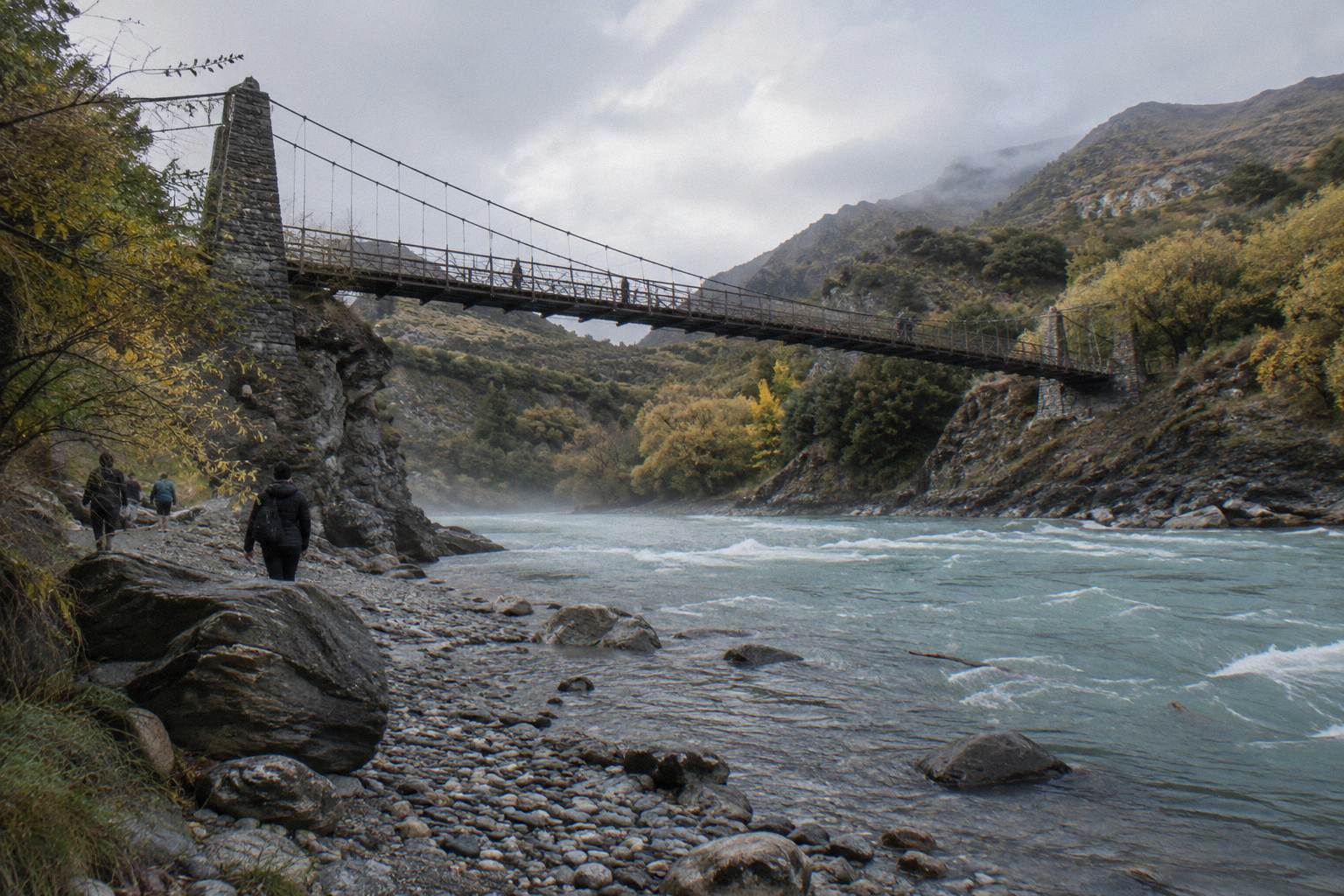
No, New Zealand did not invent bungee jumping, and the operator's own history never claims it did. What the company's telling supports is narrower: the first commercial bungy operation opened at the Kawarau Bridge near Queenstown in November 1988, at NZD 75 a jump, run by AJ Hackett and Henry van Asch. Commercial bungy is a New Zealand export; the act of jumping from heights on an elastic line is older and wider than that.
The distinction matters because the two claims get blurred constantly. Travel copy tends to compress "the world's first commercial bungy" into "New Zealand invented bungee", and the compression is not accurate. The narrower claim belongs to the operator: in AJ Hackett Bungy NZ's telling, the first commercial bungy opened at the Kawarau Bridge in November 1988, at NZD 75 a jump. That account says nothing about what anyone did or did not jump from before then. It marks only the moment the activity became a regulated, ticketed, everyday business, on a bridge about 23 km from Queenstown.
The operator, AJ Hackett Bungy NZ, tells its own origin story on its about page, and every historical claim in this article comes from that telling or from the company's activity pages. The company brands the Kawarau Bridge site "World Home of Bungy" and "the original", both of which are its own marketing phrases rather than independent findings. It also calls the bridge "recognised as the birth of adventure tourism in New Zealand", again as its own claim.
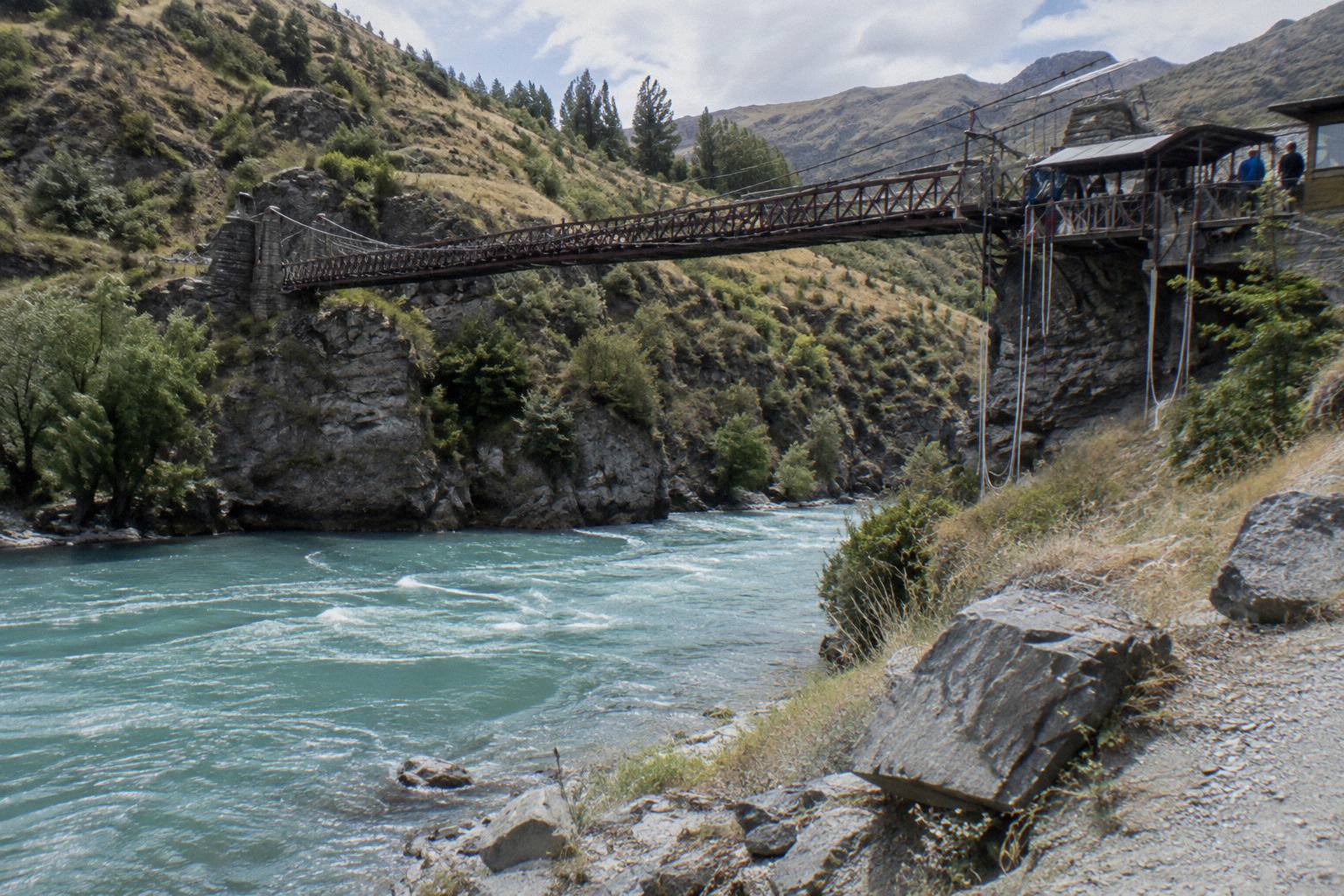
So where does the jump you can actually book fit into this? The bridge is still in daily operation. The product sold today is the 43m Bungy, World's First: a 43 m / 141 ft jump from the original structure, rated 4.9 by guests, with the operator's price from NZD 320 for an adult and NZD 280 for a child. If the question of who invented bungy is what brought you here, the honest answer is that you can still jump at the place where the commercial version began.
The bridge jump is the original site; the 134 m Nevis is the company's biggest; the combo pairs the bridge jump with the swing at the same site. Whichever direction the history points you, it is worth reading the founding account on its own terms before deciding, because the details below change how the two sites compare.
What Did AJ Hackett And Henry Van Asch Actually Invent?
According to the operator, the two founders developed the bungy cord itself, not the idea of elastic jumping. The company credits AJ Hackett and Henry van Asch with that cord, and credits AJ Hackett with the publicity stunt that put the idea on front pages: his jump from the Eiffel Tower in June 1987. The first paying customers followed at the Kawarau Bridge in November 1988.
That sequence, cord first, publicity second, business third, is the shape of the company's version of events, and it is worth reading carefully because each piece is doing different work. The cord development is a technical claim: a line engineered to stretch and recover predictably, jump after jump, which is what turns a one-off stunt into something you can sell to the public daily. The Eiffel Tower jump in June 1987 is the story's marketing beat. The November 1988 opening at NZD 75 a jump is the commercial milestone, and it is the one the company anchors its "since 1988" branding to.
None of this, in the company's own telling, adds up to inventing the activity. The phrase the operator actually uses for the Kawarau site is "world's first commercial bungy", and the word "commercial" is carrying the whole claim. Strip it out and the sentence becomes false; keep it in and the sentence is exactly what the company says it is.
“Amazing experience all around. The staff were fantastic and the pictures and videos they capture are incredible!”
There is a practical reason to care about the wording. The same operator now runs three Queenstown sites: the Kawarau Bungy Centre in the Gibbston Valley, the Nevis Playground with its 134 m jump, and The Ledge at the Skyline Gondola, which the operator lists as reopening for summer 26/27. Only Kawarau and Nevis have bookable pages. When a booking page says "the original", it means the 1988 bridge, and if standing on that specific piece of history matters to you, that is the site to choose.
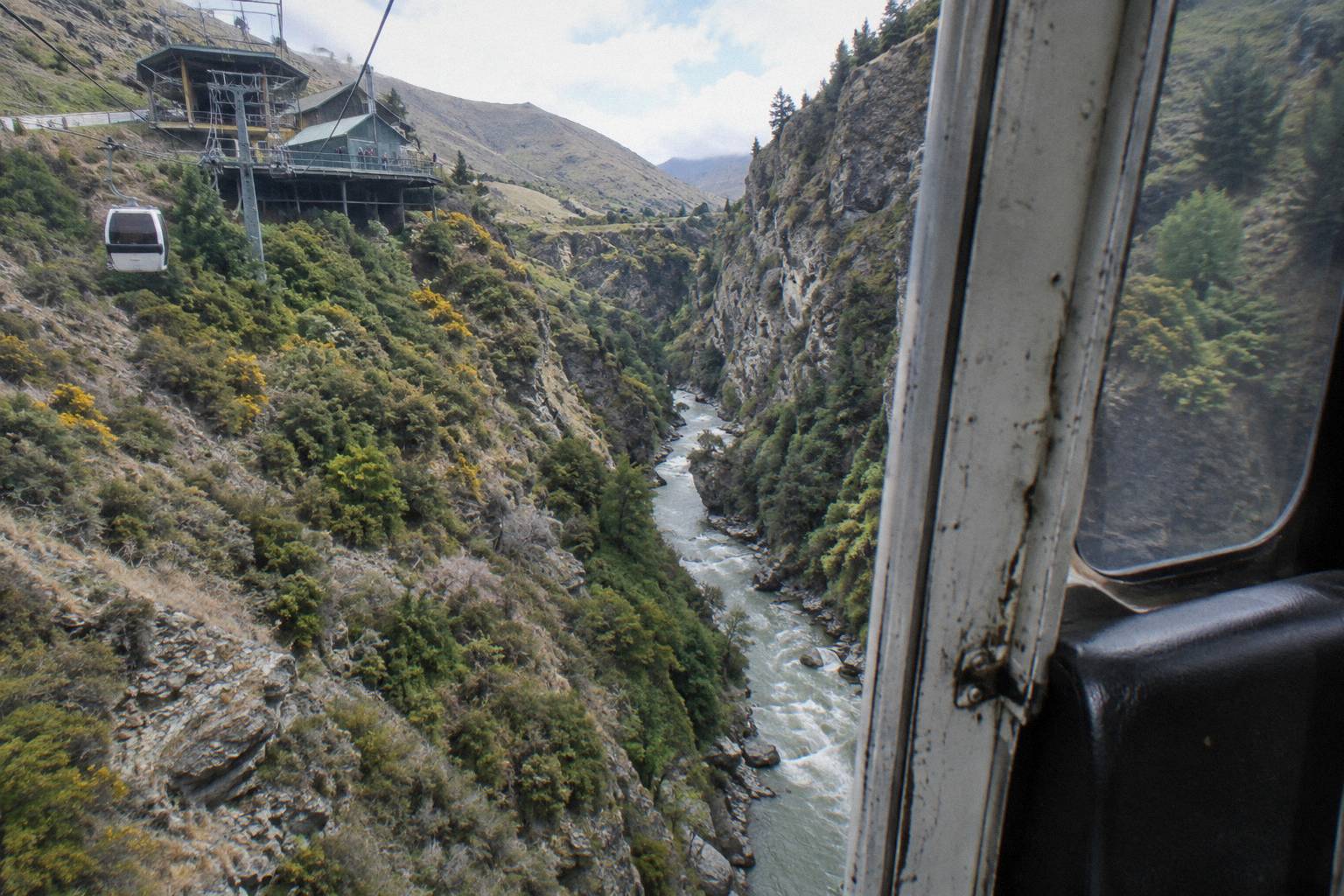
The modern contrast is the Nevis. The operator's Nevis page describes a 134 m / 439 ft jump the company calls "the highest in New Zealand", made from a cable car pod over a canyon, reached only by a 4WD bus because the site sits on private land. It is a different animal from the bridge: about three and a half to four hours door to door, ages 13 and up, 45 to 127 kg, the operator's price from NZD 395. The bridge, by contrast, is 43 m, ages 10 and up, 35 to 160 kg, and you can self-drive there in about 25 minutes from Queenstown.
Why Is The Kawarau Bridge Called The World's First Bungy?
Because, per the operator, it was the first place anywhere that bungy was sold to the public as a commercial operation, opening in November 1988 with jumps priced at NZD 75 each. The company calls the bridge the "World Home of Bungy" and "the original", its own branding, and describes the site as "recognised as the birth of adventure tourism in New Zealand". The claim is about commerce and repeatability, not about the act being new.
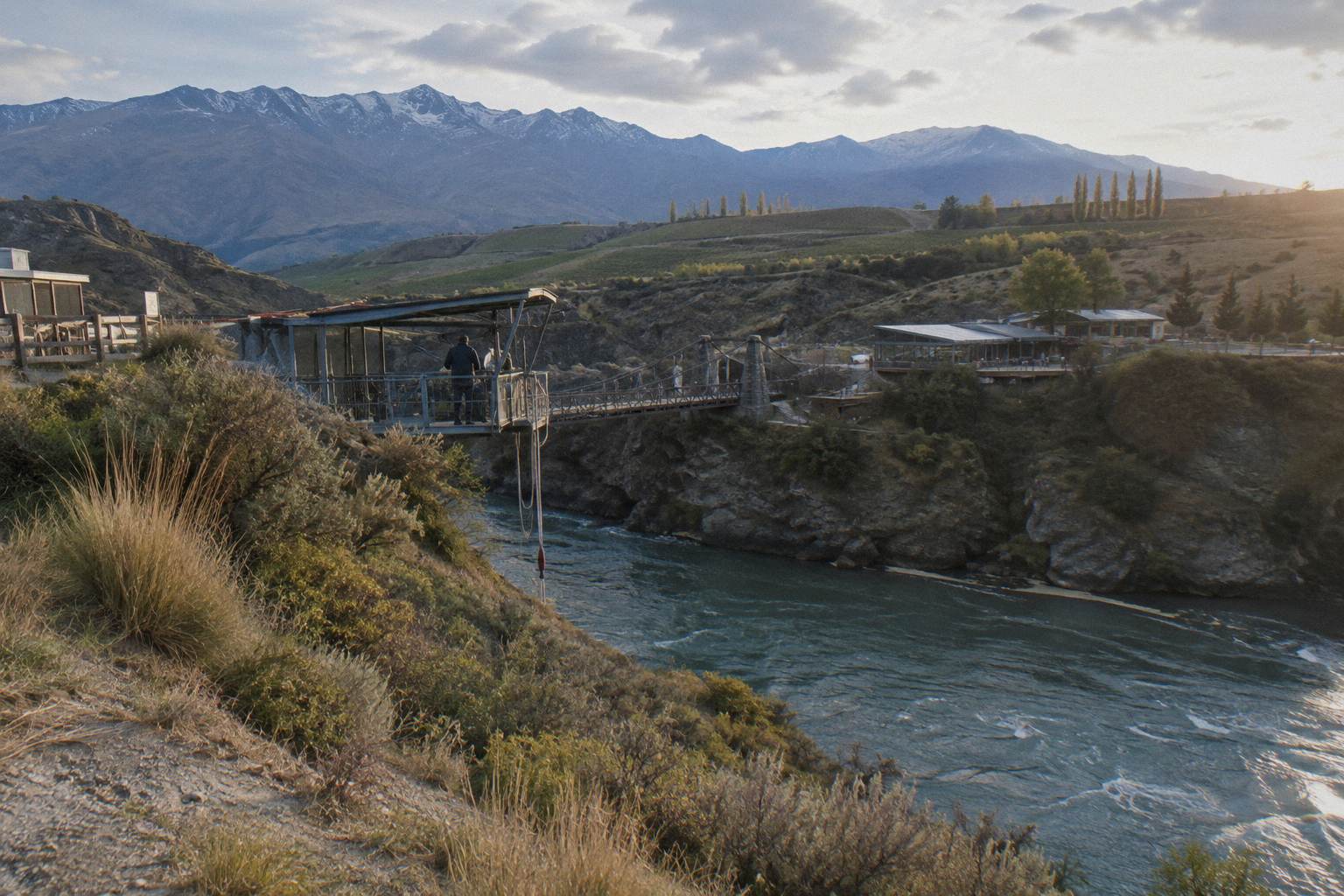
The bridge itself is the artefact. It sits on State Highway 6 in the Gibbston Valley, at 1693 Gibbston Highway per the operator's FAQ, about 25 minutes and 23 km from Queenstown, with free parking, and spectators watch for free, which makes it one of the few places in adventure tourism where the history is genuinely free to look at. Jumpers are lowered to a boat in the river after the jump, a recovery method the operator's FAQ describes for this site, and there is a tandem option with a combined maximum weight of 235 kg and a maximum difference of 30 kg between the two jumpers. Everything else covered here is indexed on Queenstown Bungy Jump.
| What the operator says about the bridge | The detail |
|---|---|
| Opening | November 1988, first commercial bungy |
| Price at opening | NZD 75 a jump |
| Founders' role | AJ Hackett and Henry van Asch developed the bungy cord |
| Branding | "World Home of Bungy", "the original", "since 1988" |
| Wider claim | "Recognised as the birth of adventure tourism in New Zealand" |
The water touch option belongs to this site too. The operator offers a setting that can dip you toward the river on the rebound, but the company is explicit that it depends on river level and crew discretion and is not guaranteed. That is a good example of the honest, conditional tone the operator's own pages use, and this article follows it: nothing about the jump outcome is promised, because weather, river level and the crew decide on the day.
If you are weighing the two sites against each other, the sibling guide on which Queenstown bungy is best works through the decision in detail, and the table below gives the raw figures side by side.
| Figure | Kawarau Bridge Bungy | Nevis Bungy |
|---|---|---|
| Height | 43 m / 141 ft | 134 m / 439 ft |
| Minimum age | 10 | 13 |
| Weight range | 35 to 160 kg | 45 to 127 kg |
| Operator's price, adult | From NZD 320 | From NZD 395 |
| Child price | NZD 280 | Not lower; NZD 395 |
| Time to allow | 1.5 h self-drive, 2.5 h by bus | About 3.5 to 4 h |
| Rating | 4.9 | 5.0 across 122 reviews |
How New Zealand Wrote The Rulebook
According to the operator, the company instigated a code of practice in 1990, within roughly two years of the Kawarau opening, and that code has since become an industry standard for Australia and New Zealand. That is the second half of the invention story: a written safety framework that other operators in two countries adopted. It is the difference between a business that invented an experience and an industry that grew rules.
The operator's safety page carries this claim, and it is worth separating what it does and does not say. It says a code of practice was instigated in 1990 and is now an industry standard for Australia and New Zealand. It does not say, and this article will not, anything about incident rates or comparative safety records. The company also uses the phrases "spotless safety record" and "impeccable safety record" about itself; those are its marketing words and they stay attributed to it.
What the rulebook means for a reader today is concrete. The operator's pages list real, checkable conditions: cancel or change more than 24 hours before your jump and it is fully refundable minus a 1.99% non-refundable card fee; inside 24 hours, a no-show, or deciding not to jump once there, is non-refundable. The company runs in most weather including rain, and if weather or safety stops the operation you can transfer, reschedule or take a full refund. The operator's FAQ advises booking the Nevis Bungy four to six weeks ahead in summer, with peak season from 15 December to 15 January and the busiest days 30 December to 2 January; outside peak, about 48 hours ahead is usually enough.
The cord, the bridge and the code together explain why the "invention" question keeps pointing back to this one company in this one town. A jump you can book on a Tuesday in November, with a published weight range, a refund policy and a two-country safety code behind it, is a thing that had to be built, and per the company's own account, it was built here.
“Hands down one of the most incredible experiences of my life! Everything from the scenery, the great vibes from the crew, and the jump itself was simply amazing. 10/10 recommend!!”
Booking direct carries extras the operator lists plainly: the price of the Kawarau and Nevis activities includes photos and video with the company's words "instant delivery to your device", plus an activity t-shirt. A best price guarantee means the operator matches a cheaper live price if you contact it before booking. The company also runs a discount rule across its activities nationwide: two or more activities take NZD 50 off per activity, three or more take NZD 70 off per activity, and repeat customers get 20% off a future single activity, with combos and the Zipride excluded from that last one.
What Trips People Up About Bungy History
Three confusions repeat. First, people merge "first commercial bungy" into "invented bungee", which the operator's own account does not support. Second, people assume the Kawarau was the biggest jump from day one, when the bridge is 43 m. Third, people treat the company's marketing phrases as independent facts rather than the operator's own words. Keeping attribution straight keeps the history straight.
“If you're in Queenstown, do this! You will NOT regret it. So glad I overcame any fears, thanks to the wonderful staff at AJ Hackett, and can say I've bungy jumped off the highest ledge in New Zealand.”
The first trap is the biggest. If a quiz asks who invented bungee jumping, the honest answer is that no single country did, and certainly not on a single day in 1988. If it asks where commercial bungy began, the answer, per the operator that still runs the site, is the Kawarau Bridge in November 1988. The second trap catches people booking: the Nevis at 134 m is more than three times the height of the bridge, and the operator's own wording calls it "the highest in New Zealand", a claim the company makes for the Nevis and never makes for the bridge. Choosing between them on history alone shortchanges the height question, and choosing on height alone misses the point of the original site.
The third trap is about evidence. Every dated fact in this article, the 1987 Eiffel Tower jump, the 1988 opening at NZD 75, the 1990 code of practice, comes from the company's telling about itself, which is the only source this site uses for its history. That does not make the facts wrong; it makes them the operator's account, and the honest way to report them is with "the operator says" attached.
For readers planning around the history rather than the adrenaline, two practical pieces fill in the rest: the guide on getting to Kawarau Bridge from Queenstown covers the drive, the free Bungy Bus and check-in times, and why so many people jump off the Kawarau Bridge digs into the bridge's hold on travellers. More on the whole question of value sits in whether Queenstown bungy is worth it.
The other honest angle is the combo layer. The operator's price for the Kawarau Combo, Bungy & Swing is from NZD 460, pairing the 43 m bridge jump with the 43 m swing at the same site: ages 10 and up, 35 to 150 kg, and one and a half to two and a half hours all in. It carries no rating, so nothing is said about one here. It is a way to do the original site twice in one visit, and per the operator's discount rule, booking two or more activities nationwide takes NZD 50 off per activity.
Whichever product fits, the practical details sit in a handful of places worth knowing before you book. The bridge is open daily including public holidays, closed Christmas Day, October to April 8:30am to 5:00pm and May to September 9:00am to 4:30pm, with the last jump 30 minutes before closing and check-in 15 minutes before your jump. The free Bungy Bus leaves from the Queenstown Bungy Centre at the corner of Shotover and Camp Streets, in "The Station" building, and you check in 30 minutes before departure; seats are limited. The Nevis runs year round with departure times that vary by day, reached only by the operator's included 4WD bus, a 45-minute ride each way. Questions the pages do not answer can go to the operator on 0800 286 4958 or +64 3 450 1300.
Common Questions About Bungy History
Did New Zealand Invent Bungee Jumping?
No. What the operator's own account supports is that the world's first commercial bungy opened at the Kawarau Bridge near Queenstown in November 1988, at NZD 75 a jump. The company credits AJ Hackett and Henry van Asch with developing the bungy cord, and its own branding calls the bridge "the original", but it claims commercialisation, not invention of the act itself.
Who Invented The Bungy Cord?
According to the operator, AJ Hackett and Henry van Asch developed the bungy cord. That development, in the company's telling, is what made repeated commercial jumps feasible and led to the Kawarau Bridge opening in November 1988.
When Was The First Commercial Bungy Jump?
Per the operator, the first commercial bungy opened at the Kawarau Bridge in November 1988, charging NZD 75 a jump. The company brands itself "since 1988" on the strength of that opening.
Why Did AJ Hackett Jump The Eiffel Tower?
In the company's own telling, AJ Hackett's jump from the Eiffel Tower in June 1987 was the publicity moment that drew global attention to elastic jumping ahead of the commercial launch the following year. The operator presents it as part of its founding story.
Can You Still Jump At The Original Kawarau Bridge?
Yes. The bridge is a daily operation on SH6 in the Gibbston Valley, about 25 minutes from Queenstown. The jump is 43 m, ages 10 and up, 35 to 160 kg, with the operator's price from NZD 320 adult and NZD 280 child, and a tandem option. Spectators watch free.