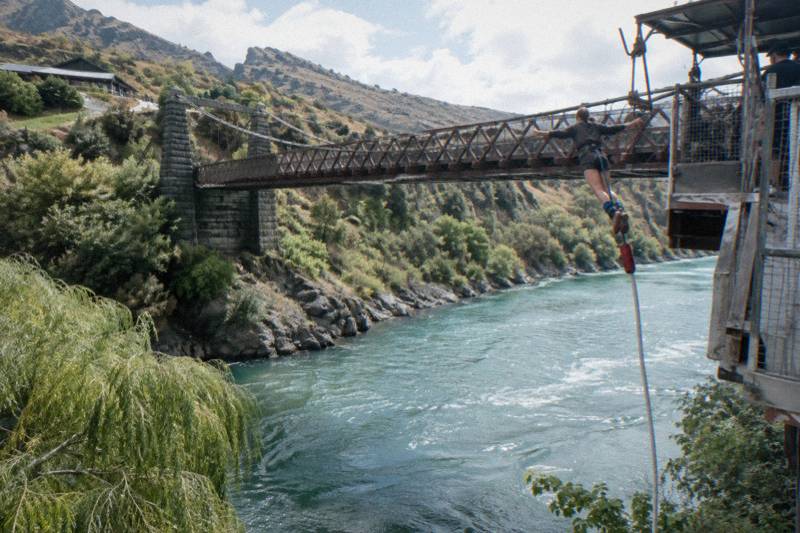
What Is A Bungee Rope Called?
The short answer is a bungy cord, plus who developed it, why the two spellings exist and what to look for when booking a Queenstown jump.
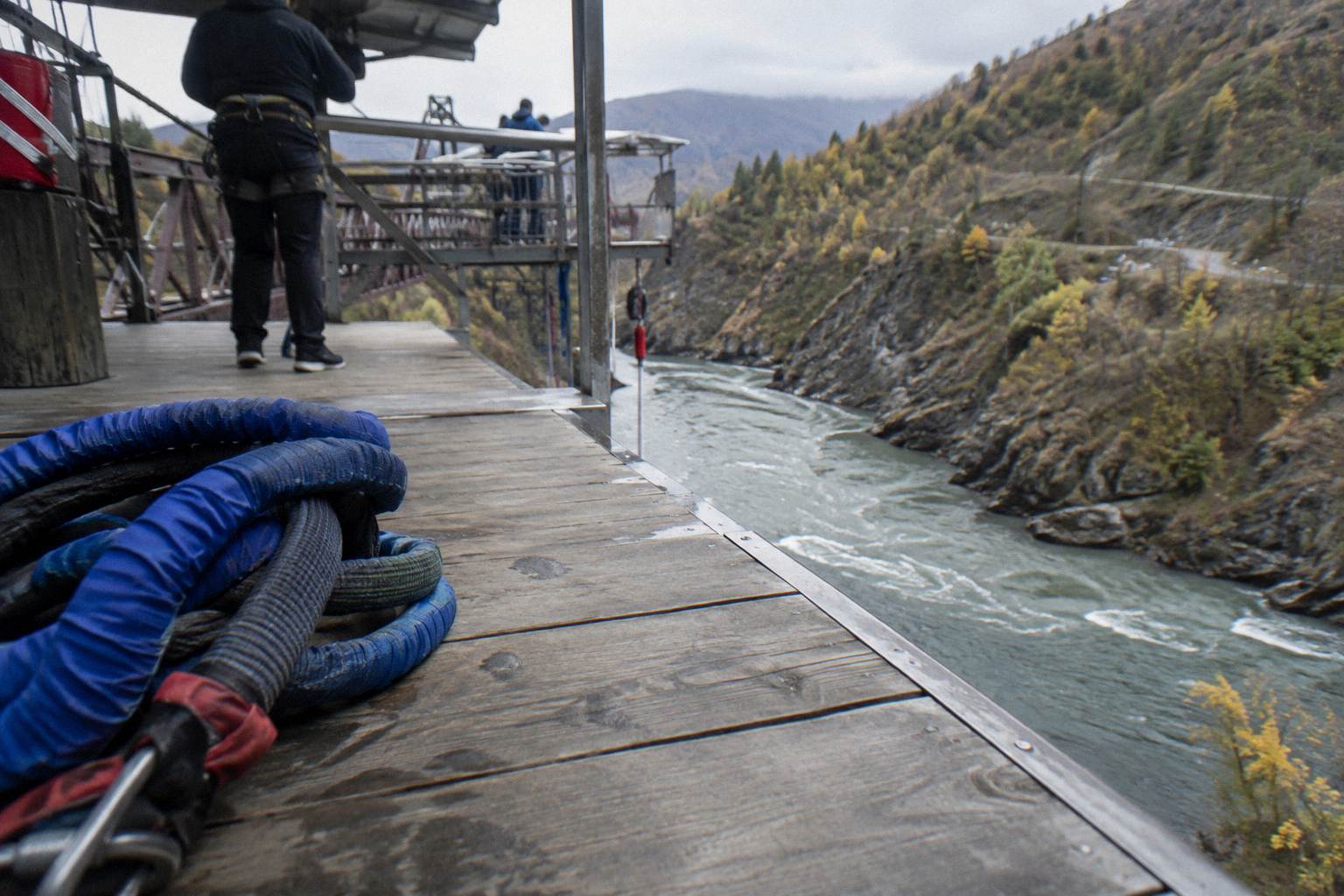
A bungee rope is called a bungy cord in New Zealand, the country where commercial bungy jumping began, and a bungee cord in most other spellings of English. The two names describe the same thing: the elastic cord that stretches to slow a jumper after the fall and then recoils. AJ Hackett Bungy NZ, the operator running Queenstown's jumps, credits AJ Hackett and Henry van Asch with developing the bungy cord.
That single word carries more history than most equipment names do. When people ask about the rope, they are usually circling two different questions at once. One is pure vocabulary: what do the crew, the booking page and the signs at the bridge actually call this thing? The other is quieter and more practical: is the cord something I should think about before handing over money for a jump?
The vocabulary answer is settled in about a sentence, and the sections below give it in full. The practical answer is worth a little more of your time, because the word "bungy" is not a generic label someone chose at random. It is tied to a specific company, a specific bridge 23 km from Queenstown and a specific November day in 1988, according to the operator's own telling of its history on its about page. If you are weighing up a jump while you read this, the tour choices below cover the three most common ways people book: the biggest single jump, the original bridge, and a combo that bundles two Nevis rides.
The name matters for one more reason. When you search for bungee rope information, you will land on hardware store results too, because "bungee cord" is also the everyday name for the short elastic straps with hooks used to tie luggage to roof racks. Those straps and a jump cord are entirely different objects made to entirely different standards. Keeping the spelling "bungy" in your searches, at least when reading about New Zealand, tends to filter toward the jumping side of the internet, and that is the side with answers relevant to booking a jump.
There is also a naming layer inside the sport itself. The cord is sometimes loosely called a rope by people outside jumping, and the crew will understand you either way, but the operator's own pages consistently write "bungy cord" when they name the equipment at all. The same pages use "bungy" as a verb, a noun and half of every product name: Kawarau Bungy, Nevis Bungy, Bungy Bus, Bungy Centre. Once you notice the pattern, you can read any local page and know instantly whether it belongs to the Queenstown operation or to someone writing about the sport from a distance. That distinction is genuinely useful when you are comparing prices, because distant pages quote outdated or converted figures, and the only numbers worth planning on are the operator's own NZD "from" prices.
Bungy Or Bungee: Where The Two Spellings Come From
"Bungy" is the New Zealand spelling used by the operator that opened commercial jumping in 1988, while "bungee" is the older international spelling that predates the sport and appears across other English-speaking countries. Neither is wrong. In Queenstown you will see "bungy" on the operator's pages, products and site names, so that is the spelling to use when searching for local jumps.
The split is a genuine fork in the language rather than a typo. The "bungee" spelling has been used for elastic cords in general for decades and spread through hardware and military surplus contexts long before anyone jumped off a bridge for money. When commercial jumping started in New Zealand, the people running it wrote the word as "bungy", and that spelling became the house style of the company that still runs the jumps at the Kawarau Bridge and the Nevis canyon today. Follow the company's own pages, such as its Queenstown sites page, and the spelling never varies.
“If you're in Queenstown, do this! You will NOT regret it. So glad I overcame any fears, thanks to the wonderful staff at AJ Hackett, and can say I've bungy jumped off the highest ledge in New Zealand.”
For a traveller the practical rule is simple. Spell it either way in conversation and everyone will understand you. Spell it "bungy" when you are checking prices, age limits or booking windows for Queenstown, because that is how the local operator writes every product name, from the Kawarau Bungy to the Nevis Bungy. The difference is not just cosmetic on a booking page: searching the local spelling keeps you in the local ecosystem of official information rather than drifting toward overseas operators or generic equipment shops.
It also helps with pronunciation and recognition on the day. Say "bungy" at the corner of Shotover and Camp Streets in Queenstown, where the free Bungy Bus leaves from The Station building, and every local knows exactly what you mean. The bus name carries the spelling too, which is a small reminder of how completely the operator's house style owns the word in this town. Between the bus, the sites and the products, the spelling question answers itself within a day of arriving in Queenstown, usually before you have even reached the bridge.
| Spelling | Where you see it | What it usually refers to |
|---|---|---|
| Bungy | New Zealand, especially Queenstown | The sport and the operator's products: Kawarau Bungy, Nevis Bungy, Bungy Bus |
| Bungee | International usage | The sport generically, and elastic tie-down straps with hooks |
| Bungy cord | The operator and New Zealand media | The elastic jump cord used at commercial sites |
| Bungee cord | Hardware and general retail | Small elastic straps for luggage and cargo, not jump equipment |
There is a useful sibling question people often ask next: for the full picture of how the equipment is put together, the guide on how the bungy cord and harness work walks through the whole setup. The short version for this page is that the cord is the stretch element, the harness is what attaches your body to it, and the crew handles both. You will never be asked to know equipment terminology on the day, and nobody at check-in will quiz you on spelling.
The original bridge jump, the 43 m "43m Bungy, World's First" product at the Kawarau Bridge, carries the spelling in its own name, and the operator's price is from NZD 320 adult. It runs 1.5 hours self-drive or 2.5 hours by bus, for ages 10 and over between 35 and 160 kg, per the operator's booking page. If the spelling question was really a booking question in disguise, that product and the Nevis jump covered below are the two ends of the scale.
Who Developed The Bungy Cord?
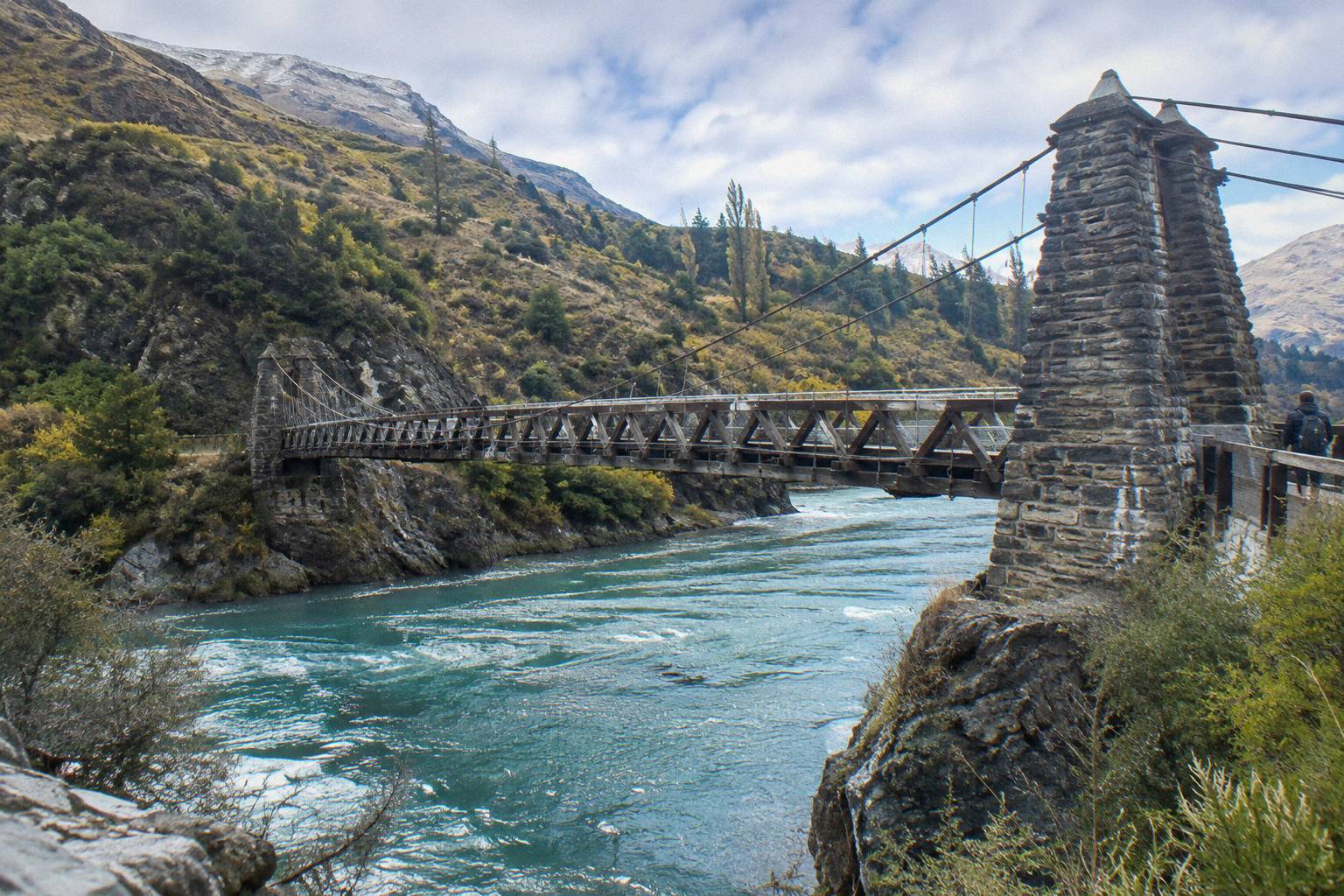
According to the operator, AJ Hackett and Henry van Asch developed the bungy cord, and the two opened the world's first commercial bungy operation at the Kawarau Bridge in November 1988, charging NZD 75 a jump at the time. The company also says AJ Hackett jumped the Eiffel Tower in June 1987 before that opening, a stunt the operator credits with helping put the idea in front of the world.
That history is the operator's own telling, published on its about page, and it is worth reading the claims the way they are stated rather than the way they get repeated. The company says "since 1988", calls the bridge "recognised as the birth of adventure tourism in New Zealand" and brands the site the "World Home of Bungy". Those are the operator's words about its own history, and they are consistent words: every dated claim traces back to the same company pages. The operator also says its code of practice was instigated in 1990 and is now an industry standard for Australia and New Zealand.
The two names behind the cord are worth separating, because people often remember only one. AJ Hackett is the name on the company and the one attached to the Eiffel Tower jump in the company's telling. Henry van Asch is the co-founder the operator credits alongside him with developing the cord itself. Both names sit in the company's origin story, and the products you can book today, at both Kawarau and Nevis, run under the company the two built. When you sign the check-in form at either site, you are signing into an operation whose founders, by its own account, were still tuning the cord by hand only a few years before the code of practice formalised how it was used.
The NZD 75 opening price is a useful anchor when you look at today's numbers. The same operator now lists the Kawarau Bridge Bungy from NZD 320 adult and the Nevis Bungy from NZD 395. Prices change by date and time, and those are the operator's "from" figures rather than fixed amounts, but the distance between 1988 and now is part of what you are paying for: nearly four decades of the same operation at the same two sites, run by the company that says it invented the commercial format.
| Year | Event, in the operator's telling | Source claim |
|---|---|---|
| June 1987 | AJ Hackett jumps the Eiffel Tower | Company history |
| November 1988 | First commercial bungy opens at Kawarau Bridge, NZD 75 a jump | Company history |
| Since 1988 | The company brands the bridge "the birth of adventure tourism in New Zealand" | Operator wording |
| 1990 | Operator instigates its code of practice, now an industry standard for Australia and New Zealand | Operator safety page |
For readers deciding rather than browsing, the jumping end of that history is bookable now. The Nevis product, the 134 m "134m Bungy, New Zealand's Biggest", is the operator's highest: it calls it "the highest in New Zealand", with an 8.5 second plunge that is also the operator's stated figure. The trip takes about 3.5 to 4 hours including the 4WD bus ride, for ages 13 and over between 45 and 127 kg.
Wondering whether the experience justifies the price is its own question, and the post on whether Queenstown bungy is worth it works through the value side with the same figures. The short framing from this page's angle: the cord is the one piece of equipment you cannot buy, rent or practise with, so the decision is really about which site, which height and which day, not about the gear itself.
What The Cord Actually Means For Your Booking
The cord itself should not change your booking decision at all, because the operator supplies, checks and attaches everything, and the crew assesses each jumper on the day. What the cord does affect is your weight, age and health answers: the stretch behaviour is why every product carries a weight range, why the ranges differ between sites, and why weather can change the operating ranges.
“Amazing experience all around. The staff were fantastic and the pictures and videos they capture are incredible!”
Look at how the ranges split. The Kawarau products accept jumpers from age 10 and 35 to 160 kg, with a tandem option whose combined maximum is 235 kg and whose weight difference is at most 30 kg. The Nevis products sit at age 13 and 45 to 127 kg. Those are the operator's stated limits per product, and per the operator's FAQ, weather can change operating weight ranges and the crew assesses on the day. The cord is the reason those numbers exist in the first place: a given cord setup is built and tuned for a band of weights, which is exactly why the answer "what is a bungee rope called?" is less important than the answer "what do you weigh?".
The health questions follow the same logic. The operator's list, on its safety page and FAQ, asks you to tell the crew about high or low blood pressure, heart conditions, epilepsy, diabetes, asthma, prosthetics, recent sprains and a range of other conditions, and it bars pregnant guests. None of that is a verdict on any condition; it is the operator's disclosure list, and the only advice beyond it is to check with your doctor and tell the crew when you book. The cord's deceleration is why the list exists, so treat the medical form as part of the equipment rather than paperwork.
| Product | Min age | Weight range | Height | Operator price from |
|---|---|---|---|---|
| 43m Bungy, World's First (Kawarau) | 10 | 35 to 160 kg | 43 m | NZD 320 adult |
| 134m Bungy, New Zealand's Biggest (Nevis) | 13 | 45 to 127 kg | 134 m | NZD 395 |
| Nevis Combo, Bungy & Swing | 13 | 45 to 127 kg | 134 m jump | NZD 620 |
| Kawarau Combo, Bungy & Swing | 10 | 35 to 150 kg | 43 m jump | NZD 460 |
Two small practical notes finish the equipment picture. Glasses cannot be worn on the jumps, and the operator's safety page says prescription safety goggles are available free of charge. And at the two bookable sites the recovery differs, per the operator's FAQ: at Kawarau you are lowered to a boat after the jump, while at the Nevis pod you are lifted back up to the platform. Neither changes the cord, but both answer the questions people ask in the same breath as the rope question.
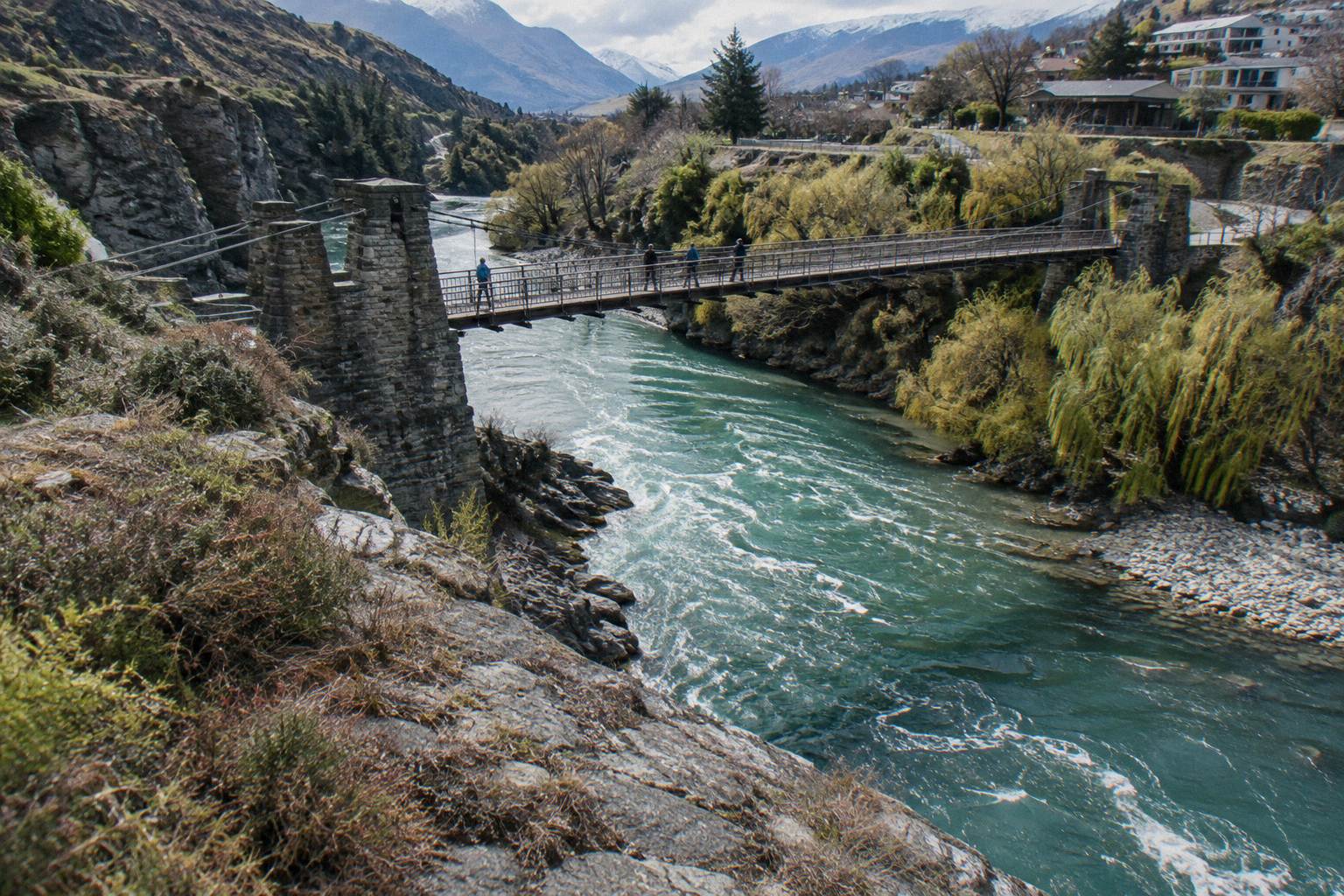
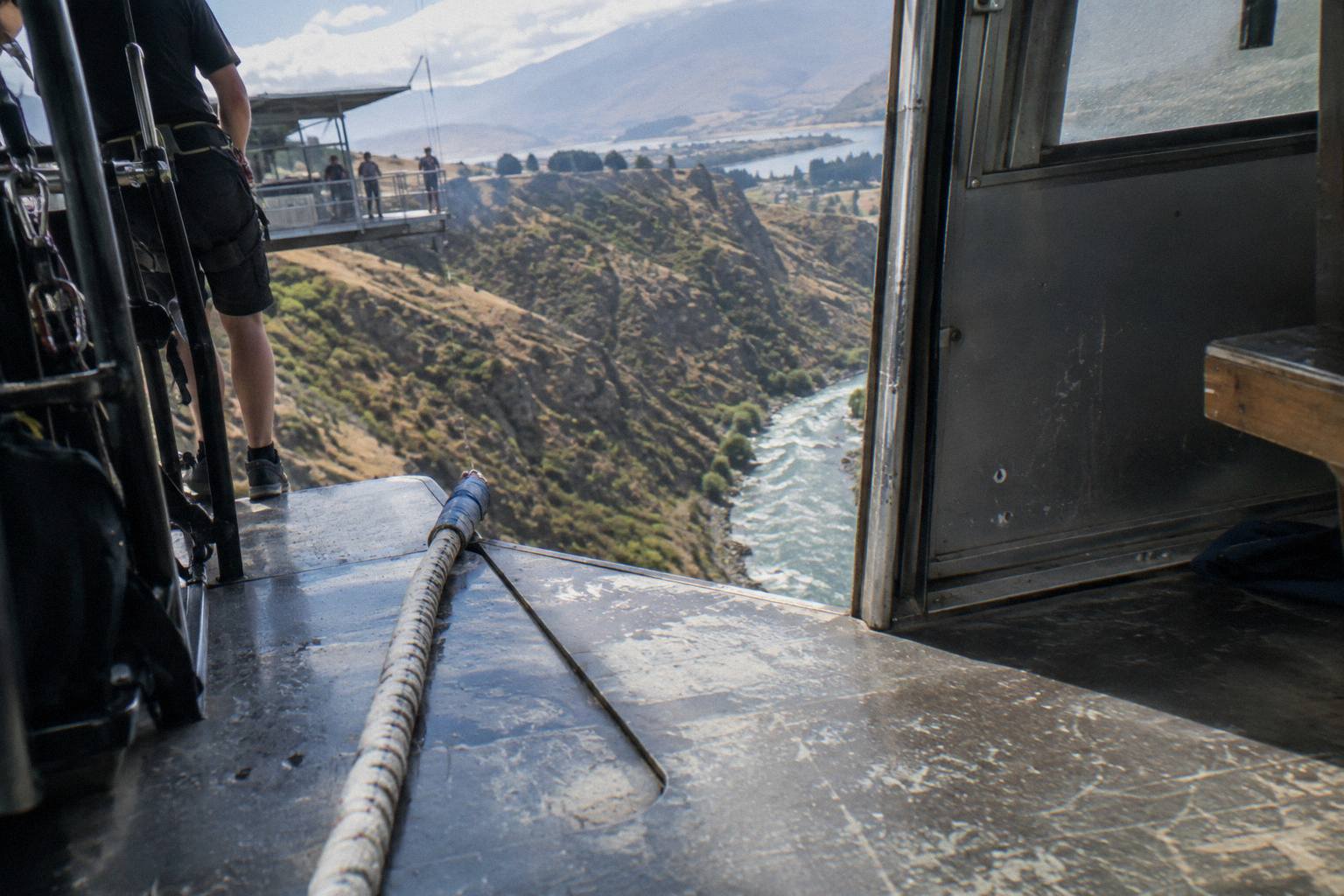
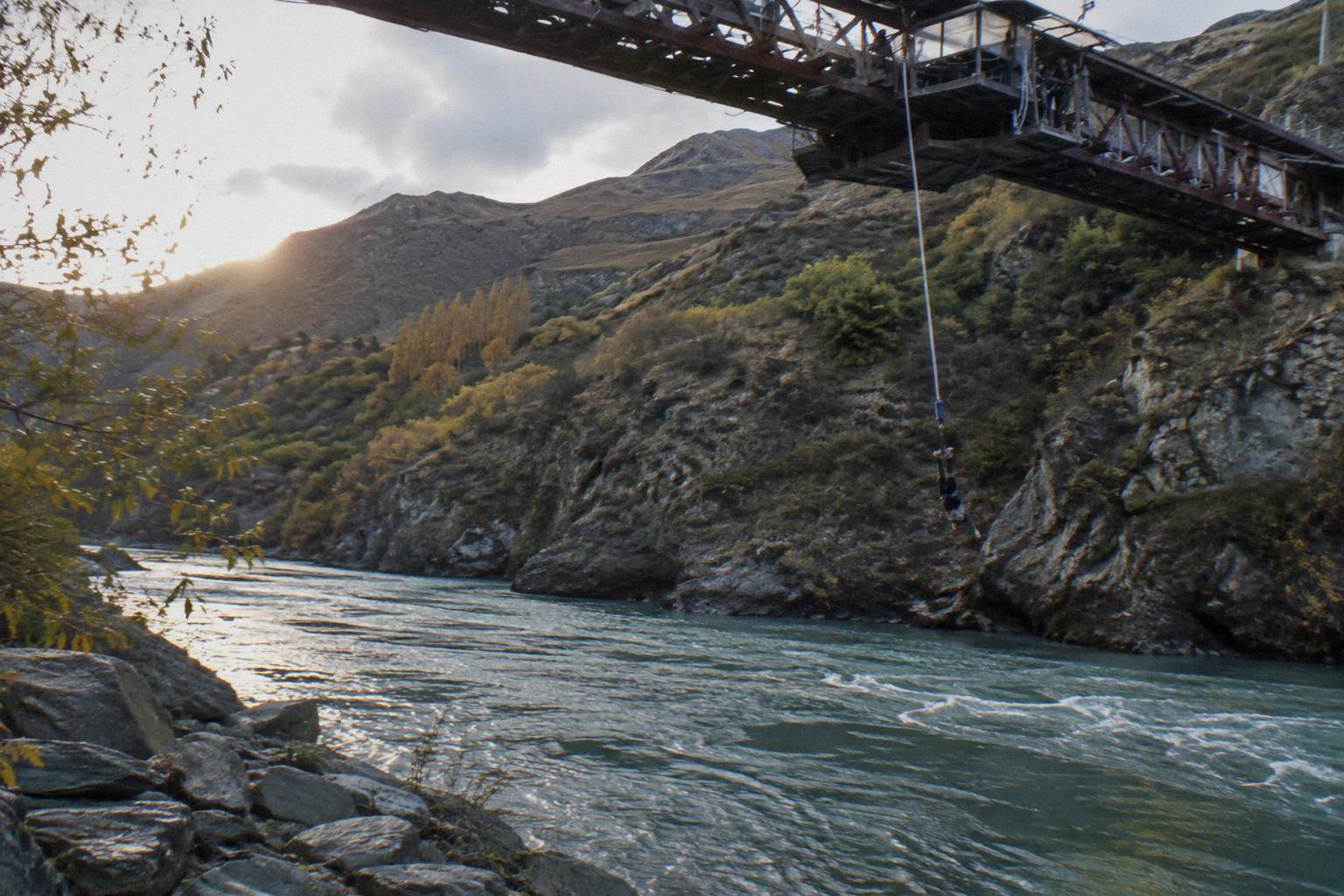
The distinction between the sites deserves one more beat, because it is the clearest example of the same cord doing different jobs. At Kawarau the jump is 43 m from a historic bridge, with a water touch option that is not guaranteed, since it depends on river level and crew discretion, per the operator. At Nevis the jump is 134 m from a cable car pod over the canyon, in the operator's wording. Same operator, same equipment family, same 24 hour cancellation rule, and completely different experiences of height and setting. The rope question collapses into the site question the moment you see the two options side by side.
For a fuller equipment walkthrough, the deeper guide on the bungy cord and harness setup covers the whole system, and the post on whether New Zealand invented bungee jumping takes the history question further back than the 1988 opening.
What Trips People Up When Asking About The Rope
Most people stumble by chasing the equipment question instead of the booking questions that actually gate their jump: age, weight, health disclosures and timing. The cord is supplied and handled entirely by the crew, so no amount of equipment research changes your eligibility. The mistakes that cost people money are booking the wrong site for their age or weight, missing the 24 hour cancellation window, and booking the Nevis too late in the summer peak.
The first mistake is assuming the limits transfer. A 10 year old can jump at Kawarau but not at Nevis, and a jumper over 127 kg fits the Kawarau range but not the Nevis one. A family with mixed ages therefore has exactly one bookable family option among the jumps, the Kawarau products, unless the younger members watch from the free spectator area the operator provides at that site. At Nevis a spectator spot is NZD 50 for adults and free for under 10s, which matters if part of your group jumps and part does not. Getting these details wrong does not usually mean being turned away, but it can mean a booking that fits one person and strands the rest of the day.
The second is treating the cancellation rule loosely: per the operator, cancelling or changing more than 24 hours ahead is fully refundable minus a 1.99% card fee, while inside 24 hours, a no-show, or deciding not to jump on the day is non-refundable. That last clause surprises people: standing on the platform and changing your mind does not refund the booking. Weather is treated differently, and better: the operator runs in most weather including rain, and if weather or safety stops the operation you can transfer, reschedule or take a full refund. The distinction worth internalising is that the operator's cancellation window punishes changes of mind, not changes of sky.
The third is timing. The operator's FAQ says to book the Nevis Bungy 4 to 6 weeks ahead in summer, with the peak from 15 December to 15 January and the busiest days 30 December to 2 January. Outside that peak, about 48 hours ahead is usually enough. If you are reading this in November with a summer trip planned, the booking window is the live decision, not the vocabulary. A reader asking what the rope is called is usually a reader about to book, and on that point Queenstown Bungy Jump exists to keep the figures straight: the operator's own "from" prices, per-product limits and the operator's contact line, 0800 286 4958, for anything not stated.
“Bought the experience for my 17 year old son. The staff were very professional, friendly and ensured he absolutely loved it. So much so, he went out and booked the 134m bungy immediately after he finished.”
One last trap worth naming: the combo products do not inherit a single jump's rating. The Nevis Bungy carries 5.0 across 122 reviews, the Kawarau Bridge Bungy carries 4.9 with no stated count, and the combos mostly carry no rating at all. That is not a signal about quality either way; it is simply what is stated and what is not, and a phone call answers more than a search does.
The combo route is a genuine option when one jump will not be enough. The "Nevis Combo, Bungy & Swing" bundles the 134 m bungy with the Nevis Swing, a 300 m arc the operator calls the "Most Famous Swing in the World", from NZD 620, and the operator says the pairing saves NZD 100 against booking separately.
Whether one jump or three, the cord question resolves itself the moment you arrive: the crew rigs it, you never touch it before the jump, and the name on the sign at both sites is the one this page opened with. If the question was really about trust, the honest answer is the operator's own record of running the same bridge since 1988, in its own words, and a booking page with limits you can check against yourself in under a minute.
Common Questions About The Bungee Rope
What Is A Bungee Rope Called?
It is called a bungy cord in New Zealand, where commercial bungy jumping began, and a bungee cord in most other English usage. The Queenstown operator writes it as "bungy" across all its products and sites, so that is the spelling to use when searching local prices and bookings.
Who Invented The Bungy Cord?
According to the operator, AJ Hackett and Henry van Asch developed the bungy cord and opened the world's first commercial bungy at the Kawarau Bridge in November 1988, at NZD 75 a jump at the time. The company also says AJ Hackett jumped the Eiffel Tower in June 1987 before the opening.
Is A Bungee Cord The Same Thing As A Bungee Strap?
No. A jump cord and the elastic tie-down straps with hooks sold at hardware stores are entirely different objects built to different standards. The "bungee cord" search results that show luggage straps are about the hardware product, not jump equipment.
Does The Cord Affect Who Can Jump?
Yes, indirectly: each product carries its own age and weight range, which reflects how the cord setup is tuned. Kawarau products take ages 10 and over from 35 to 160 kg; Nevis products take ages 13 and over from 45 to 127 kg. The crew assesses each jumper on the day.
Do I Need To Know Anything About The Cord Before Booking?
No. The operator supplies, checks and attaches all equipment, and you do not handle the cord. What matters for booking is your age, weight and health disclosures, plus the timing: the operator suggests booking the Nevis 4 to 6 weeks ahead in summer.