How The Bungy Cord And Harness Work
The cord stretches, the harness holds, and the crew brings you back. Here is how the two pieces of gear actually do their jobs, and what the operator says about each Queenstown site.
Short answer
A bungy cord is a braided elastic line that stretches under load and then recoils, slowing a jumper gradually instead of stopping them abruptly. The harness attaches the body to that cord. In Queenstown, AJ Hackett Bungy runs Kawarau at 43 m and Nevis at 134 m, and the operator says its crew handles the gear and the recovery for every jump.
How Does A Bungy Cord Work?
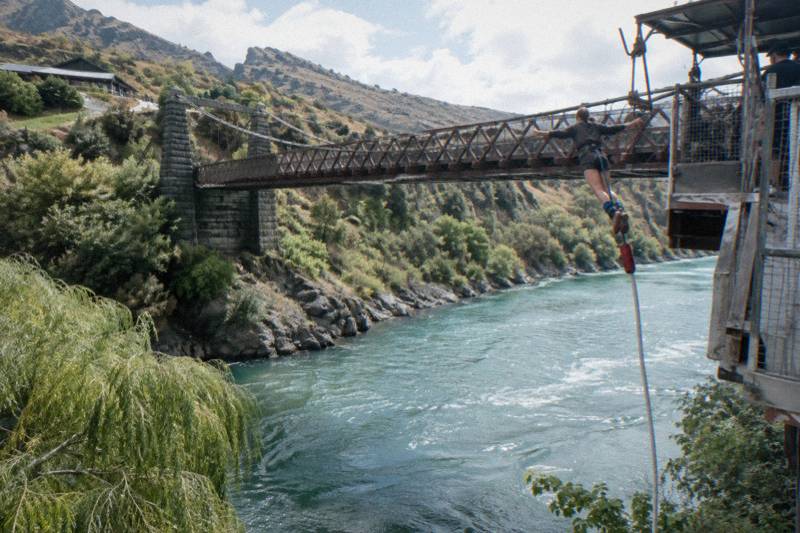
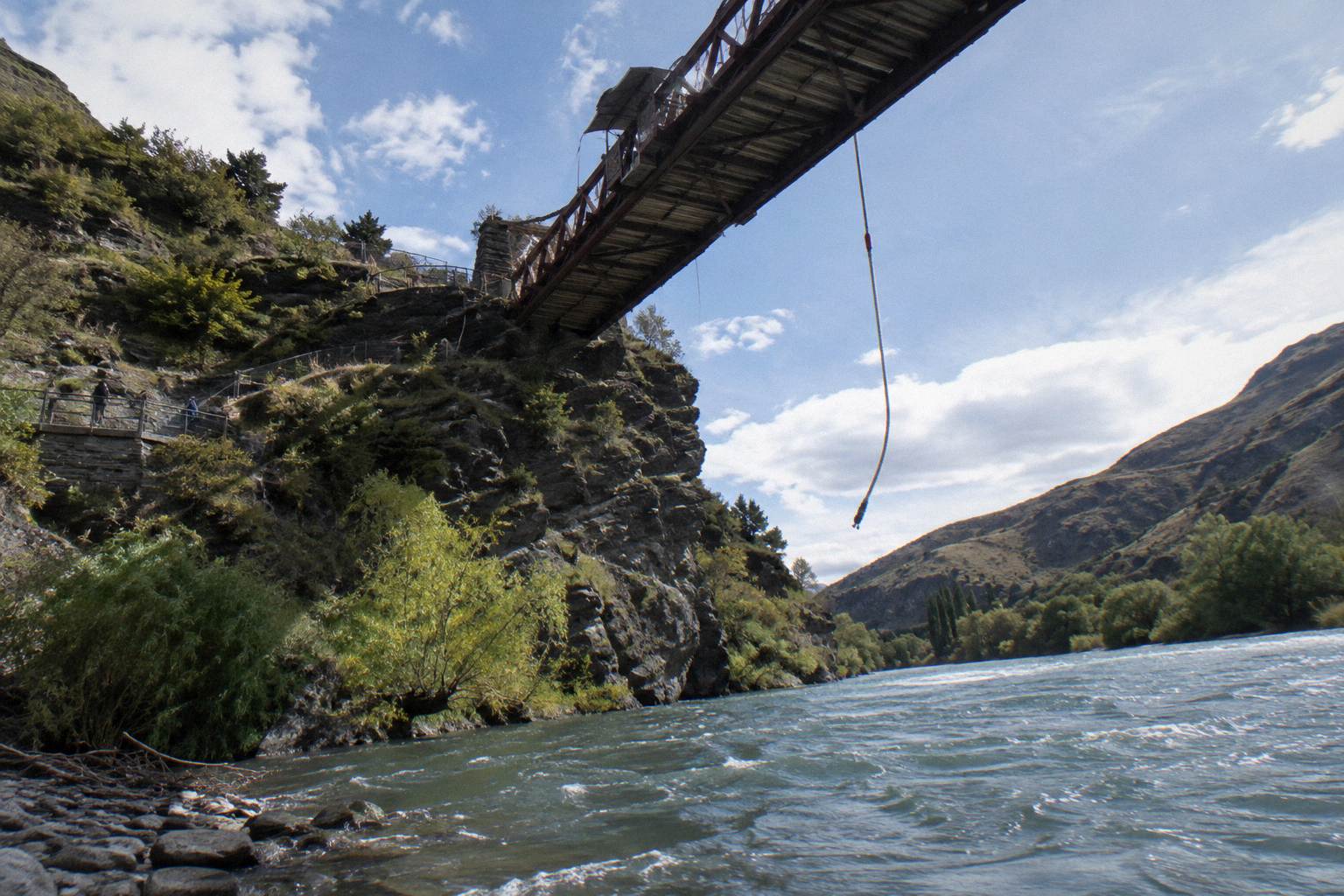
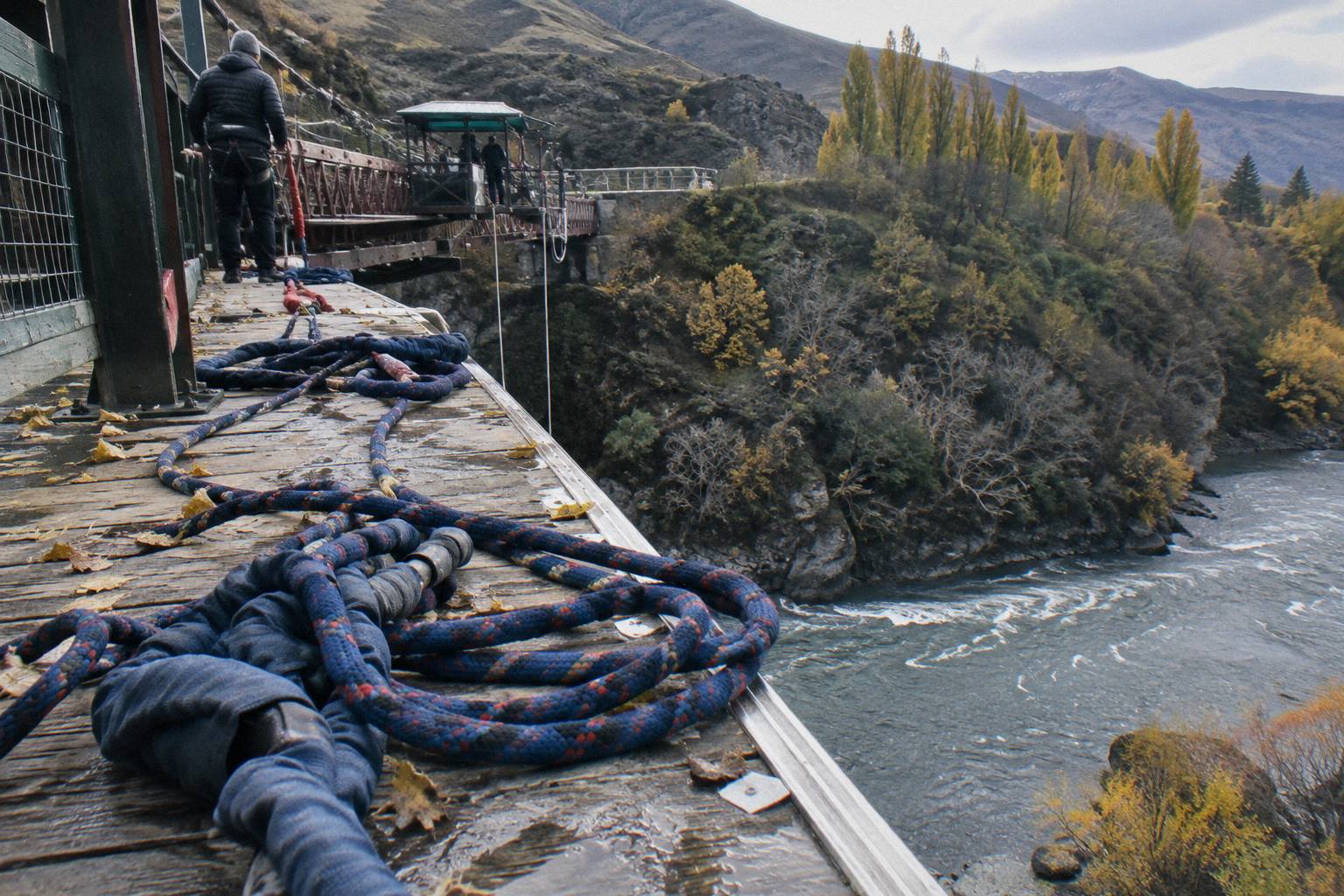
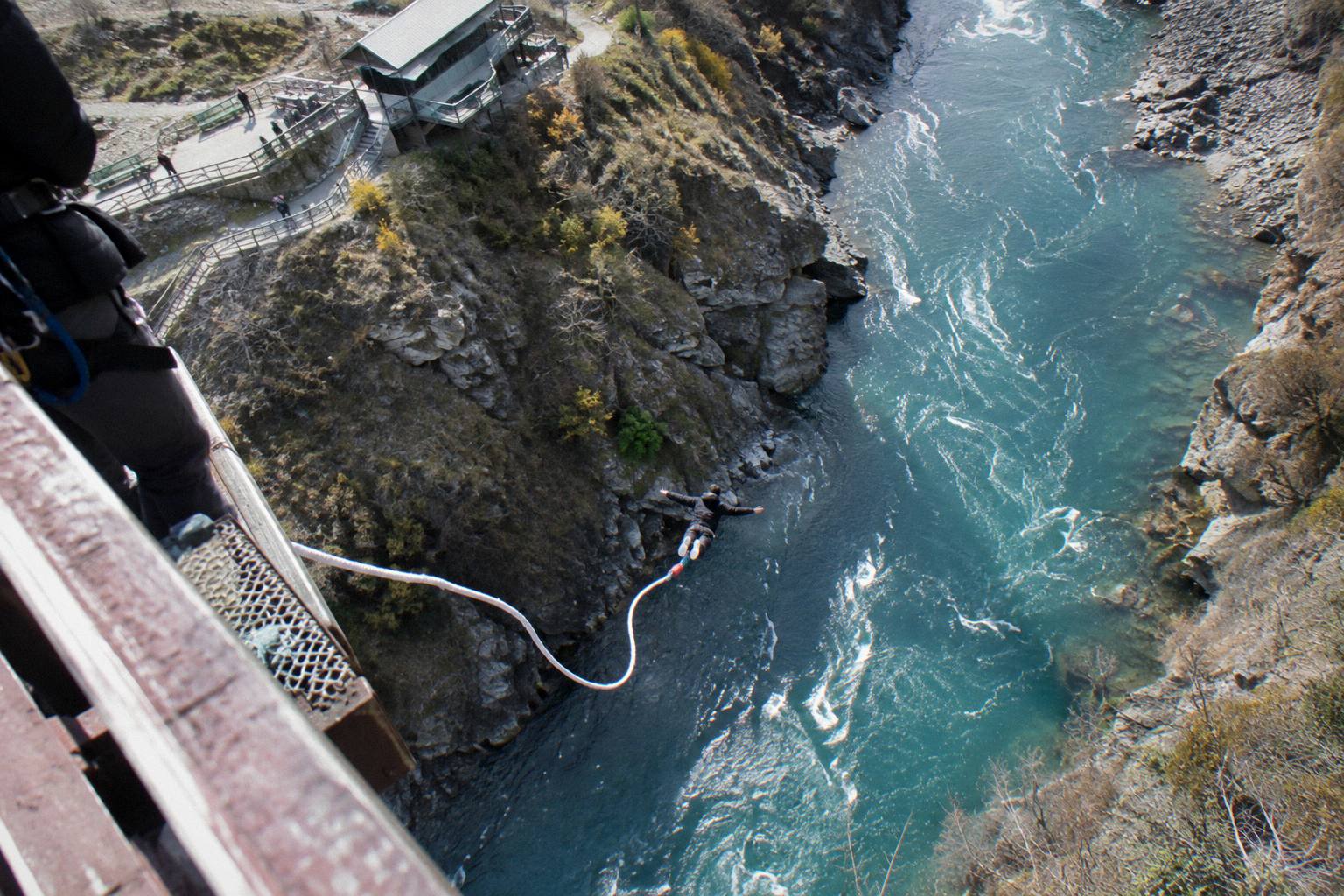
A bungy cord is a length of braided rubber strands, enclosed in a protective outer sheath, that stretches when a jumper's weight loads it and then shortens again as that load eases. The stretch is the whole point: it converts the sudden stop of a fall into a gradual deceleration over many metres, then rebounds, and after a few oscillations the jumper hangs still at the cord's end, waiting to be recovered. No single abrupt stop is involved.
That is the honest plain-language version, and it is as far as a general explanation can responsibly go. The exact stretch behaviour of any given cord depends on its construction and on the jumper's weight, and no engineering specification for the cords used at any Queenstown site is stated in the operator's public material. What the operator does state is who developed the cord in the first place: AJ Hackett and Henry van Asch, the two men behind the company, according to the operator's history page. The same page tells the story of AJ Hackett jumping the Eiffel Tower in June 1987 as part of the company's origin story, a company telling rather than an independent account.
Two things follow from the stretch that matter on the day. First, the cord does not snap the jumper back up to jump height; the rebound rises part of the way and each successive bounce is smaller until the motion settles. Second, the crew sizes the setup to the jumper, which is why every Queenstown product states a weight range rather than just a minimum. At the operator's Kawarau site the stated range is 35 to 160 kg, and the maximum drops to 130 kg when the river is high. At Nevis the range is 45 to 127 kg. Weather can change operating weight ranges, the operator says, and the crew assesses on the day.
The weight range is also where the cord and the paperwork meet. Because the crew matches the setup to the jumper, check-in involves photo ID and a stated weight, and anything outside the published window simply cannot be jumped at that site, whatever the enthusiasm on the day. It is worth checking the numbers for your own group before you fall in love with one particular jump, because the two families of products in Queenstown draw their lines in different places, and a group can find itself split between sites if it plans around the wrong one. The ranges, the ages and the heights are all stated by the operator for each product, so the comparison is a matter of reading rather than guessing.
If you want to read the two sites compared from a jumper's point of view rather than a gear point of view, the guide on which Queenstown bungy is best works through that decision separately.
Who Invented The Bungy Cord?
According to the operator, AJ Hackett and Henry van Asch developed the bungy cord, and the first commercial bungy jump opened at the Kawarau Bridge in November 1988 at NZD 75 a jump. The company traces its history to 1988 and calls the bridge "recognised as the birth of adventure tourism in New Zealand", wording that belongs to the operator, not an independent verdict. The cord's invention story is the company's own telling.
“Best thing to do in Queenstown!!!! You have to do it!!! It's the adventure capital of the world!!!”
Before there was a company there was a jump off a tower in Paris, at least in the company's account. The operator's history page says AJ Hackett jumped the Eiffel Tower in June 1987, which put the idea in front of the world and set up the move to New Zealand. The following year the Kawarau Bridge operation opened, and the bridge is still one of the operator's three Queenstown sites today, alongside the Nevis Playground and The Ledge at the Skyline Gondola, which the operator lists as reopening for summer 26/27.
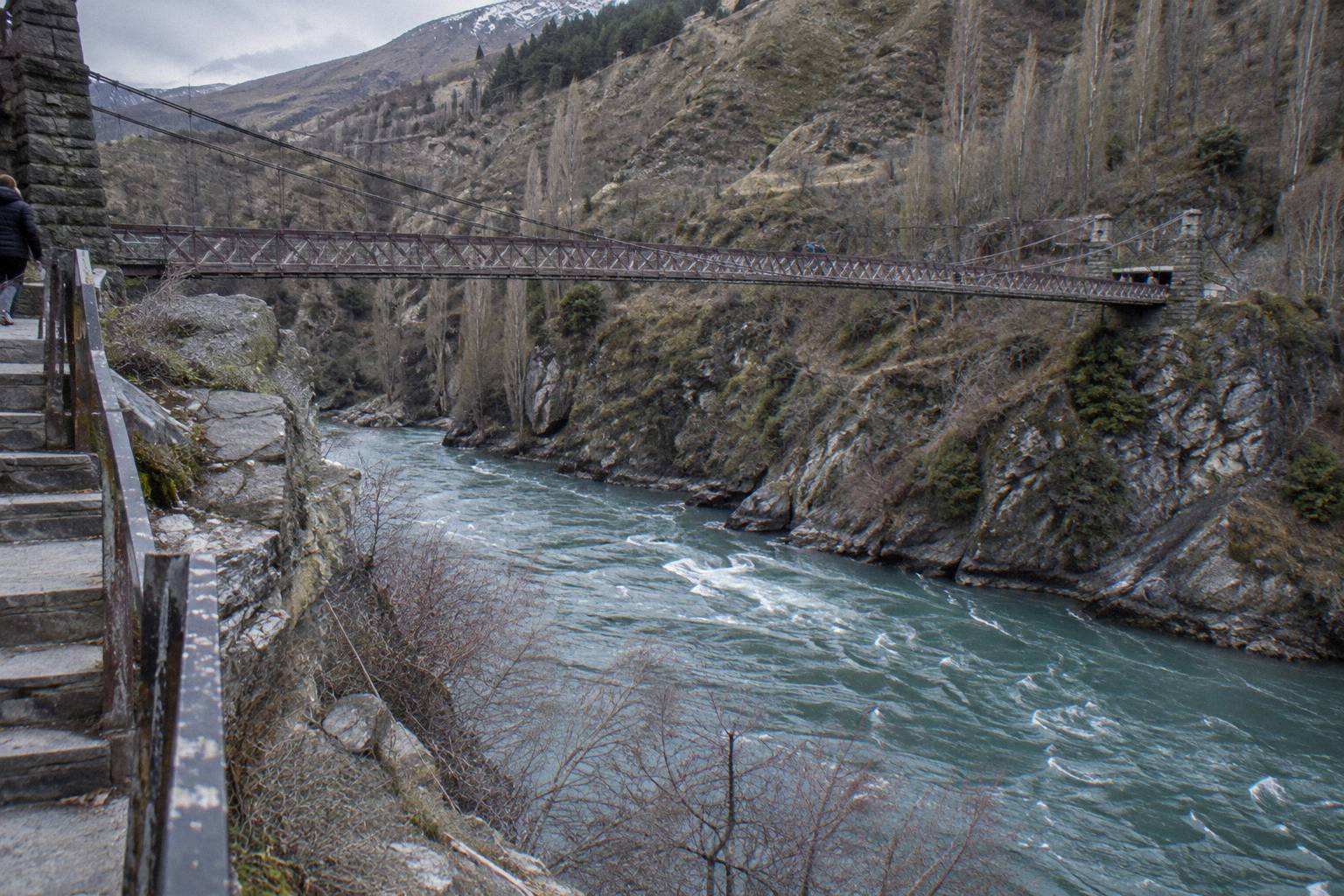
The operator also frames its own standards as part of the story. Its safety page says a code of practice was instigated in 1990 and is now an industry standard for Australia and New Zealand. The same page uses the words "spotless safety record" and, elsewhere, "impeccable safety record": those are the operator's own marketing claims, and the operator does not publish accident statistics alongside them.
| Date | Event | Who Says It |
|---|---|---|
| June 1987 | AJ Hackett jumps the Eiffel Tower | The operator's history page |
| November 1988 | First commercial bungy opens at Kawarau Bridge, NZD 75 a jump | The operator's history page |
| Since 1988 | Company history; bridge called "recognised as the birth of adventure tourism in New Zealand" | The operator |
| 1990 | Code of practice instigated, now an industry standard for Australia and New Zealand | The operator's safety page |
| Summer 26/27 | The Ledge listed as reopening | The operator |
The cord, the harness and the recovery method differ a little by site, so the practical question is which experience you want to attach yourself to.
The Nevis Bungy 134 M is the one that uses the cord most dramatically: 134 m / 439 ft, which the operator calls "the highest in New Zealand", with an 8.5 second plunge, the operator's own figure. It is rated 5.0 across 122 reviews, and the operator's price is from NZD 395. The trip takes about 3.5 to 4 hours including transport, because Nevis sits on private land with no self-drive access.
How The Harness Holds You
The harness is the link between the jumper's body and the cord, and it is built to spread the load across strong parts of the body rather than a single point. At the operator's sites the harness style varies by location: the Ledge uses a waist harness with a run-and-jump exit, while the bridge and canyon jumps use full-body attachment connected by the crew. Fitting the harness is the crew's job.
The operator states plainly that there is no strict height limit, but you must fit the harness, and the crew makes the call on the day. That is the practical boundary of the whole eligibility question, and it is why the published weight ranges matter more than any other number. Under 18s need adult consent at check-in, and under 14s need an adult aged 18 or over on site, though that adult does not need to take part. The operator's FAQ words the same rule as "13 or under"; it is one rule, not two.
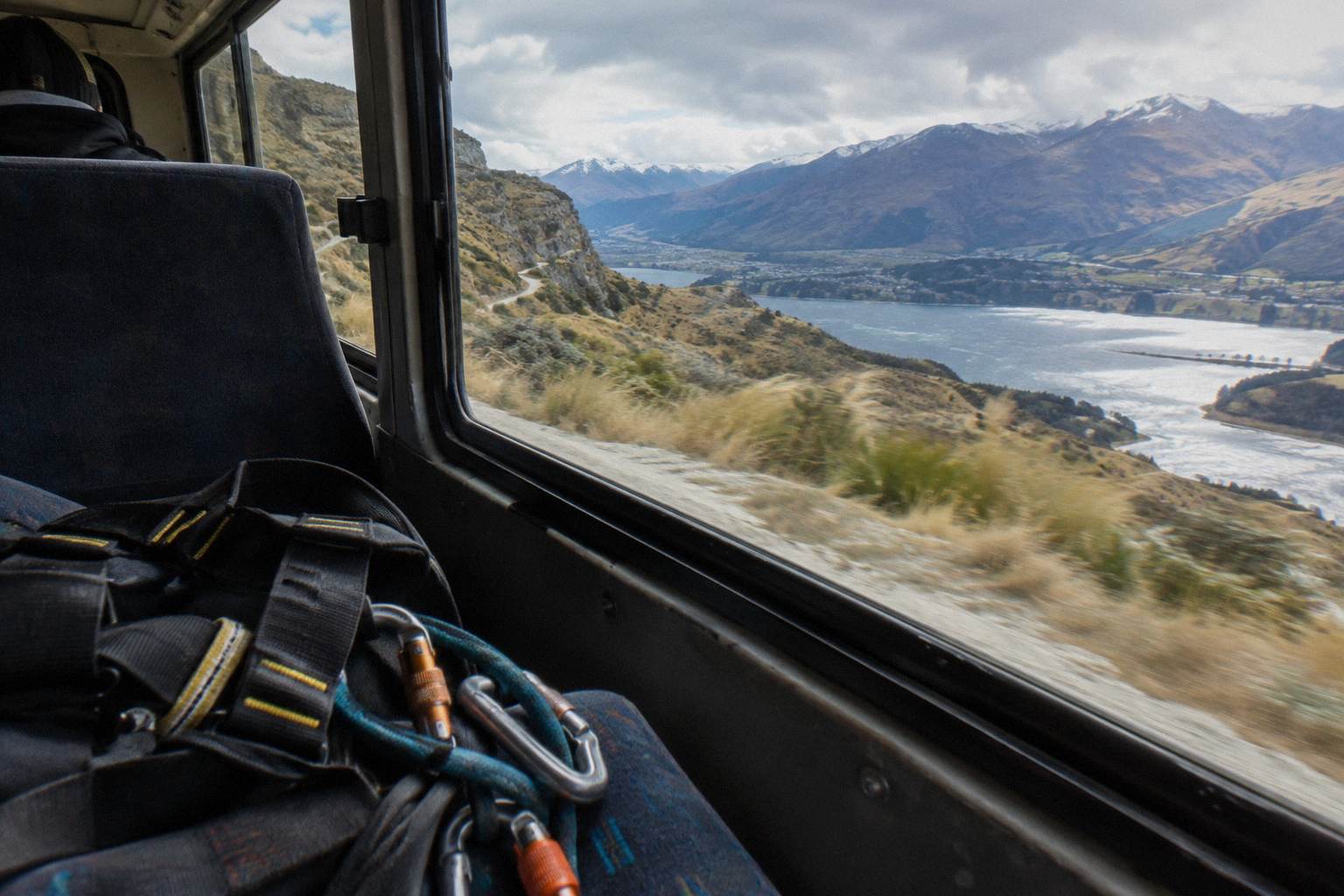
One gear detail worth knowing before the day: glasses cannot be worn on any of the jumps, but prescription safety goggles are available, and the operator's safety page says they are free of charge. If you wear glasses, that single fact removes most of the practical worry. There is also a sobriety rule attached to the gear rather than to the jumper's dignity: no drugs or alcohol, and the operator may test. The harness conversation at check-in is short, and it is not the moment to be remembering a condition you meant to mention at booking, which is why the disclosure list below matters more than the straps.
The health conversation belongs to booking, not to the jump platform. The operator asks that you tell the crew about conditions including high or low blood pressure, heart conditions, epilepsy, diabetes, asthma, prosthetics, panic or anxiety attacks and recent sprains or muscular injuries. Pregnant guests and photosensitive epilepsy cannot take part, and osteoporosis, scoliosis and recent concussion need a doctor's certificate. Beyond the operator's own list, the only sound advice is to check with your doctor and tell the crew when you book. The site's guide on medical conditions and bungy jumping covers each condition in more detail.
How You Get Back Up After The Jump
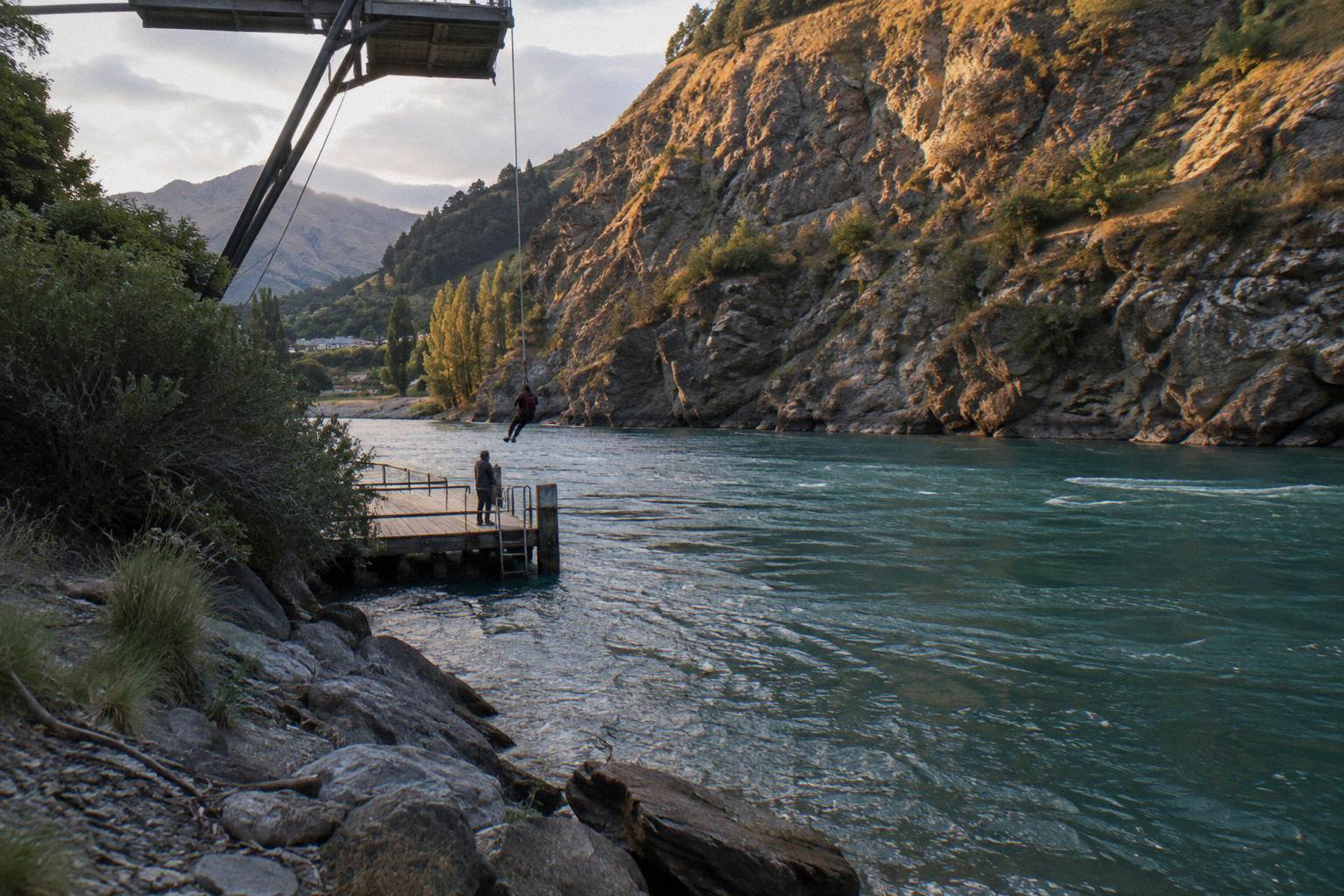
Recovery depends on the site, and the operator states the method for each one. At Kawarau the jumper is lowered into a boat and ferried back to the bank after the jump. At Nevis and at the Ledge the jumper is lifted back up to the platform. The Nevis jump itself is made from a cable car pod suspended over the canyon, in the operator's own wording, a cable-car pod jump.
This is the part of the mechanics people rarely think about before booking, and it changes the rhythm of the day. At Kawarau the jump ends at water level, and the water touch option exists there: dunking into the river is possible but not guaranteed, because it depends on river level and crew discretion. At Nevis there is no boat and no river landing; the cord does its work over the canyon and the recovery is a lift back to the pod. The guide on how you get back after bungy jumping goes deeper on this question.
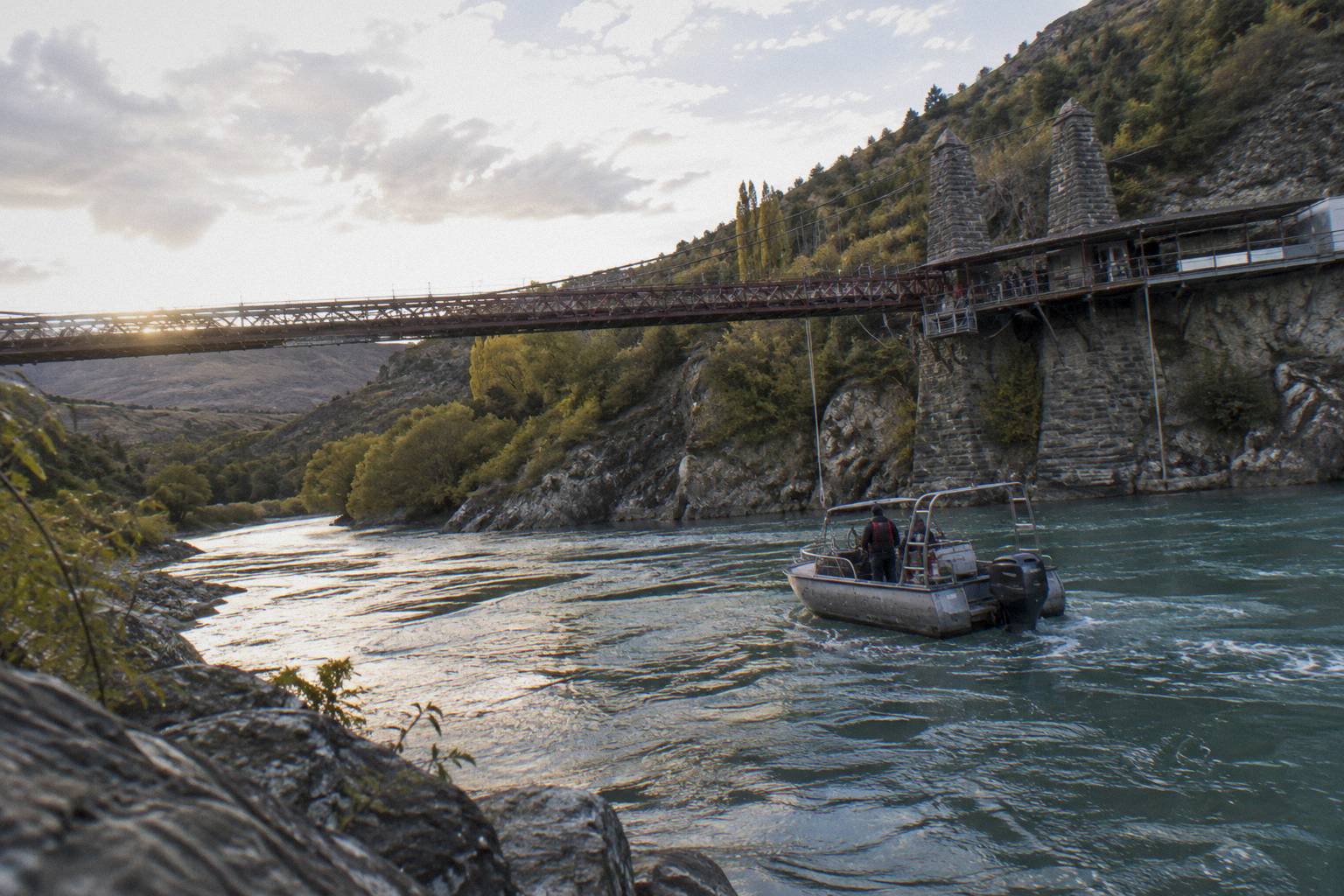
Tandem jumps, offered at Kawarau, use the same recovery method with two people on one cord. The limits are stated precisely: tandem combined maximum 235 kg, and the weight difference between the two jumpers at most 30 kg. The site's tandem guide, tandem bungy in Queenstown, works through who the option suits. Recovery wording comes from the operator's FAQ, which is also where the spectator and supervision rules live.
The recovery is also when the footage happens, and it comes as part of the package rather than an extra you haggle over on the platform. AJ Hackett Bungy NZ says the price of the Kawarau and Nevis activities includes photos and video with "instant delivery to your device", plus an activity t-shirt, when you book direct. The operator does not state what the footage captures or how it looks. Our page on bungy photos and video in Queenstown covers the media side of the day.
| Site | Height (Operator Figures) | Recovery Method | Exit Style |
|---|---|---|---|
| Kawarau Bridge Bungy | 43 m / 141 ft | Lowered to a boat | Bridge platform, tandem available |
| Nevis Bungy | 134 m / 439 ft | Lifted back to the platform | Cable car pod over the canyon |
| The Ledge Bungy | 47 m / 154 ft | Lifted back to the platform | Run and jump, waist harness |
| Kawarau Swing | 43 m / 141 ft | Not stated | Single, tandem or triple |
| Nevis Swing | 300 m / 984 ft arc | Not stated | Solo or tandem |
The swing and the catapult sit alongside the cord-based jumps in AJ Hackett Bungy NZ's lineup. The Nevis Swing's 300 m / 984 ft arc is what the operator calls "Most Famous Swing in the World", its own label. The Nevis Catapult, the operator says, propels riders 150 m / 492 ft with up to 3Gs. The operator does not publish ratings or review counts for the swing or catapult sold on their own. The full index of guides sits on our Queenstown bungy guides.
What The Numbers Mean At Each Site
The operator's stated heights are 43 m / 141 ft at Kawarau, 134 m / 439 ft at Nevis with an 8.5 second plunge, and 47 m / 154 ft at the Ledge off the platform. The Ledge Swing is 21 m / 69 ft, the Nevis Swing is a 300 m / 984 ft arc, and the Kawarau Zipride runs 130 m / 426 ft at 60 kph. Kawarau freefall seconds are not stated, so nothing is printed for them.
Numbers help most when they sit side by side. The infographic below reads the operator's own figures against each other, and the pattern is simple: Kawarau is the historic, accessible jump; Nevis is the long one with the long fall; the Ledge, when it reopens, sits between them in height. What the numbers cannot tell you is what the fall feels like, and no honest page can, because sensation is not a fact anyone can verify on your behalf.
AJ Hackett Bungy NZ calls the Nevis Bungy "the highest in New Zealand", and that is as far as the claim goes. The operator does not claim "highest in the world". Nor does it rank the Nevis against jumps in other countries. For the global picture, our guide to the highest bungee jump in the world has the answer.
A useful habit with all of these figures is to notice who is speaking. The 8.5 second plunge at Nevis, the 3Gs on the catapult, the "World Home of Bungy" label at Kawarau: every one of them is the operator describing its own products, and the honest move is to carry the attribution along with the number. That habit also protects you when you read other sites' summaries, where operator marketing and independent fact tend to blur together. Where this page states a number, the source is the operator's own pages; where the operator says nothing, this page says nothing too.
Weight, Age And Fitting The Gear
Every product states its own age minimum and weight range, and the two never cross over between sites. Kawarau Bungy takes ages 10 and over, 35 to 160 kg, dropping to a 130 kg maximum when the river is high. Nevis Bungy and the Nevis Catapult take ages 13 and over, 45 to 127 kg. The combos follow the limits of their Nevis or Kawarau family, and the crew assesses fit on the day.
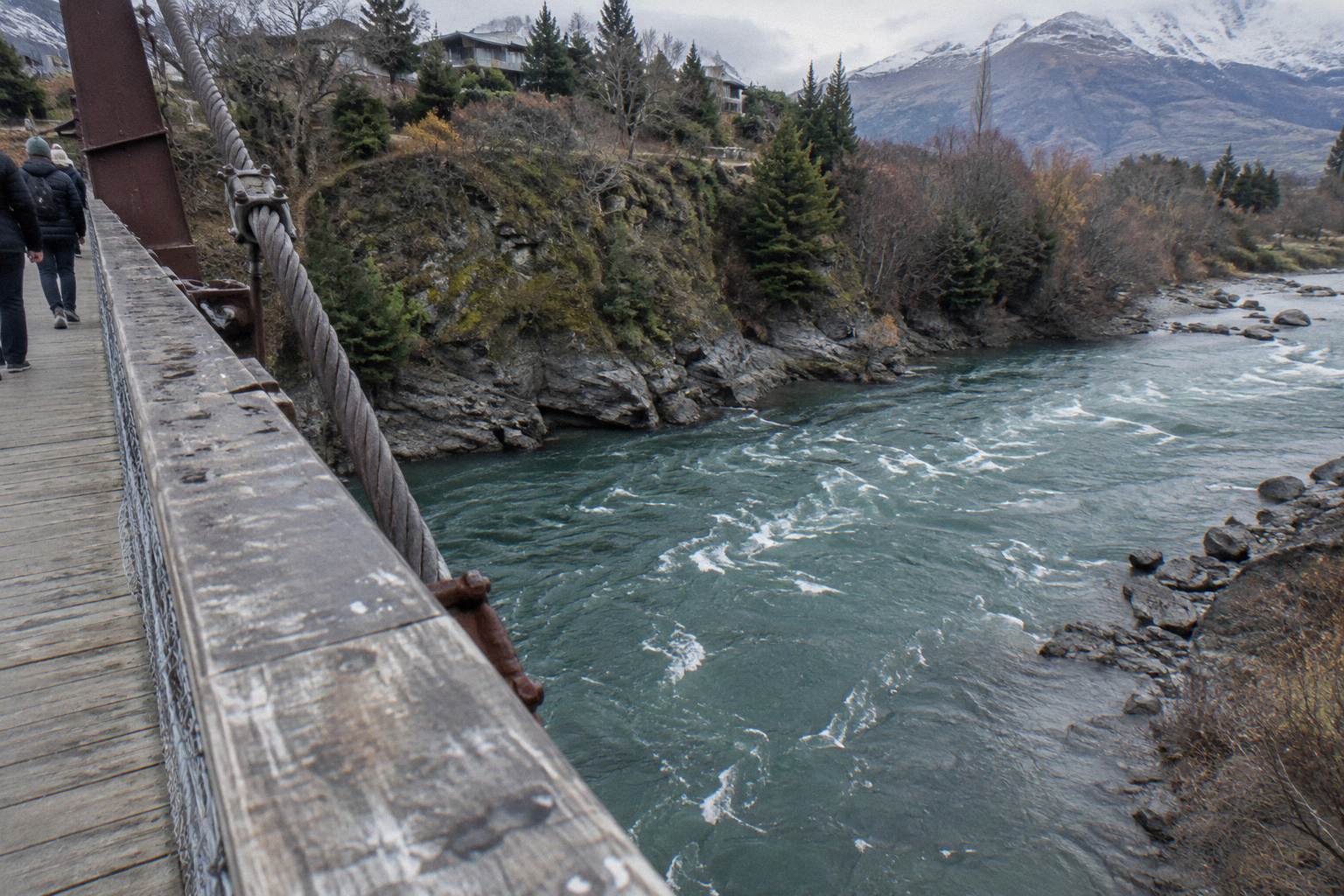
The reason the ranges differ is the gear itself. A cord setup and harness configuration built for a 43 m bridge jump is a different piece of work from one built for a 134 m canyon jump, and the operator assigns weight windows accordingly. No strict height limit exists, but the harness must fit, and that is a matter of body shape rather than stature alone. Weather can also change the operating weight ranges, which is why a stated maximum is a planning figure rather than a promise.
| Product | Min Age | Weight Range (Operator) | Notes |
|---|---|---|---|
| Kawarau Bridge Bungy | 10 | 35 to 160 kg | Max 130 kg when river is high; tandem max 235 kg combined, 30 kg difference |
| Nevis Bungy | 13 | 45 to 127 kg | Cable-car pod jump |
| Nevis Catapult | 13 | 45 to 127 kg | Propelled 150 m with up to 3Gs, the operator says |
| Nevis Swing | 10 | 35 to 160 kg solo, tandem max 220 kg | 300 m arc |
| Kawarau Swing | 8 | 30 kg min, 150 kg solo, 240 kg tandem or triple | 43 m |
| Kawarau Zipride | 8 | 30 to 150 kg | Ages 8 to 9 ride tandem with an adult aged 20 or over |
Under 18s need adult consent at check-in for any of these. Under 14s need an adult on site who is 18 or older, and that adult does not have to jump. If you are planning around a family, the guide on Queenstown bungy with kids puts these rules in context, and the piece on the bungy jump weight limit does the same for the ranges.
The 134 m Nevis Bungy is the trip where these limits matter most to check early, because the operator advises booking it 4 to 6 weeks ahead in summer, with the peak from 15 December to 15 January and the busiest days 30 December to 2 January.
Outside the peak, the operator says about 48 hours ahead is usually enough. Changes and cancellations are fully refundable more than 24 hours before, minus the operator's 1.99 percent non-refundable card fee; inside 24 hours, a no-show or a decision not to jump is non-refundable. The fuller picture of refunds, transfers and weather calls is in the site's guide to bungy cancellation and weather in Queenstown. If a weight or age line in the table above rules someone in your group out of one site, the practical answer is usually the other family of products rather than an argument at check-in: Kawarau's window is the wider of the two, and its minimum age of 10 is the lower.
What Trips People Up When Trusting The Gear
The common mistakes are simple ones: assuming the water touch at Kawarau is guaranteed when the operator says it depends on river level and crew discretion, expecting glasses to be allowed when they cannot be worn, reading the Ledge as bookable when the operator lists it as reopening for summer 26/27, and applying one site's weight range to another. Each mistake comes from a fact that is stated, just not where people look for it.
The water touch is the classic. It appears on the Kawarau page as an option, and options with conditions attached are not promises. The operator's wording is clear that river level and crew discretion decide on the day, so the honest planning position is: possible, not guaranteed. The site's page on the water touch bungy at Kawarau exists for exactly this question.
The Ledge is the second trap. Its bungy is 47 m / 154 ft and its swing 21 m / 69 ft, with the operator's FAQ giving Ledge Bungy from NZD 240 and Ledge Swing from NZD 210, gondola not included. But the operator currently lists both as reopening for summer 26/27, with a waitlist and no price in the booking widget. The waist harness and the run-and-jump exit are how the jump will work; a booking is not possible yet. The third trap is mixing up weight ranges: a jumper whose weight sits inside the operator's stated Kawarau window can still sit outside the Nevis one, and no amount of wishful reading changes which cord setup belongs to which site.
The fourth mistake is quieter: booking without saying anything about a medical condition and hoping the day sorts it out. The operator's list of conditions to disclose is long and specific, and the conversation costs nothing at booking time. Kawarau, for what it is worth, is the operator's preferred Queenstown site for more severe mobility impairment, with participation at the operator's discretion. If you are working through fear rather than a condition, the site's guide on bungy jumping with a fear of heights is the honest companion piece, and the operator's Queenstown page lists all three sites in its own words.
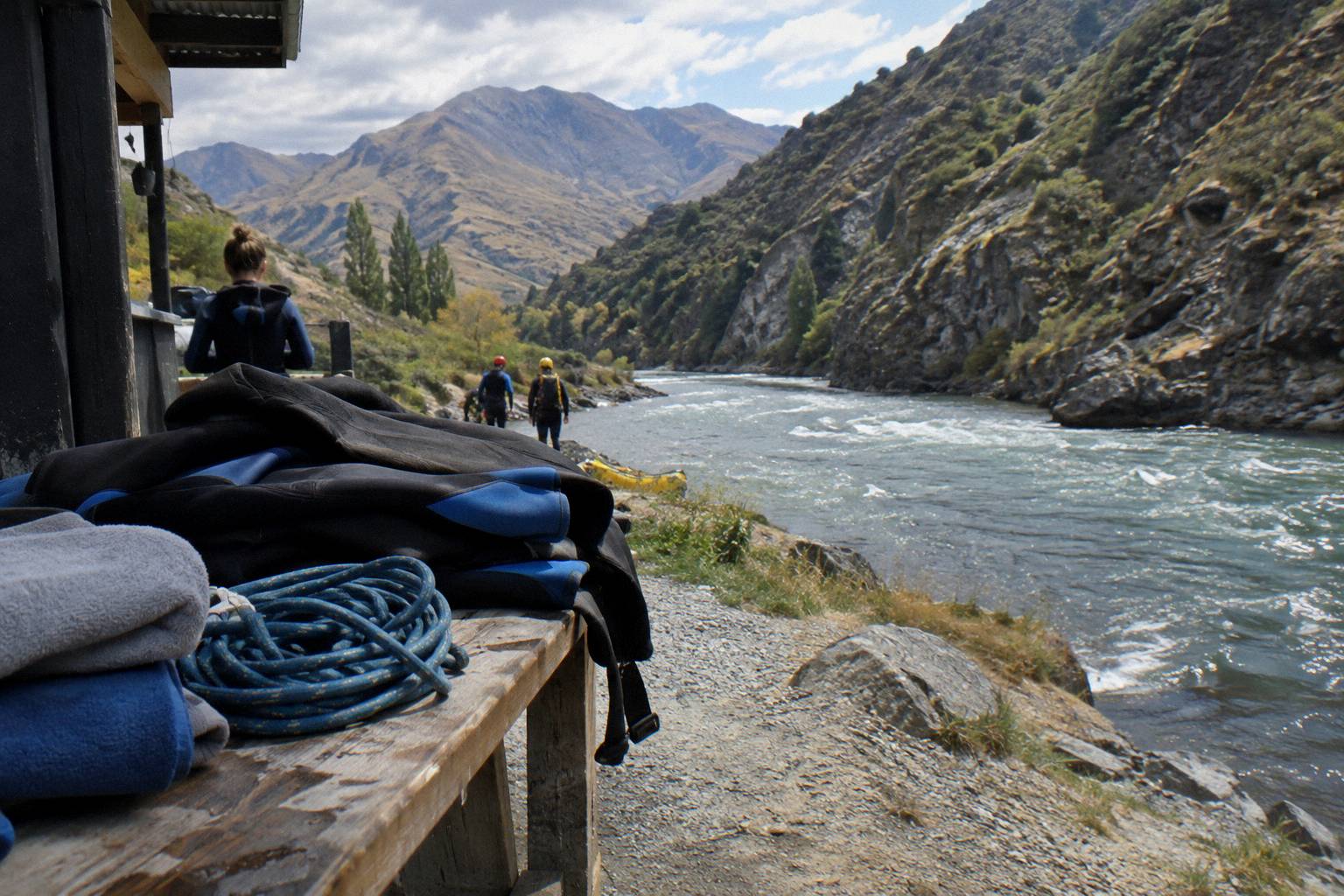
Whichever of the three experiences fits, the choice comes down to the original bridge, the big canyon, or the combo that pairs the Nevis Bungy with the Nevis Swing.
The Nevis Combo, Bungy & Swing pairs the 134 m jump with the 300 m arc swing, from NZD 620, about 4 hours, ages 13 and over, 45 to 127 kg; it is rated 5.0 with no review count stated.
Common Questions About Bungy Cords And Harnesses
How Does A Bungy Cord Work?
A bungy cord is a braided elastic line that stretches under a jumper's weight, decelerating the fall gradually, then rebounds in shrinking oscillations until the jumper hangs still at the cord's end. The operator states no engineering specification for its cords, so no stretch ratios or material figures are printed here.
Who Invented The Bungy Cord?
According to the operator, AJ Hackett and Henry van Asch developed the bungy cord, and the first commercial bungy opened at the Kawarau Bridge in November 1988 at NZD 75 a jump. The Eiffel Tower jump of June 1987 is part of the company's own telling.
How Does The Harness Hold You?
The harness links the body to the cord and spreads the load. The Ledge uses a waist harness with a run-and-jump exit; there is no strict height limit but you must fit the harness, and the crew assesses on the day.
How Do You Get Back Up After A Jump?
At Kawarau the jumper is lowered to a boat after the jump; at Nevis and the Ledge the jumper is lifted back to the platform. The operator states the recovery method for each site on its FAQ page.
Can You Wear Glasses Bungy Jumping?
No, glasses cannot be worn. Prescription safety goggles are available, and the operator's safety page says they are free of charge.