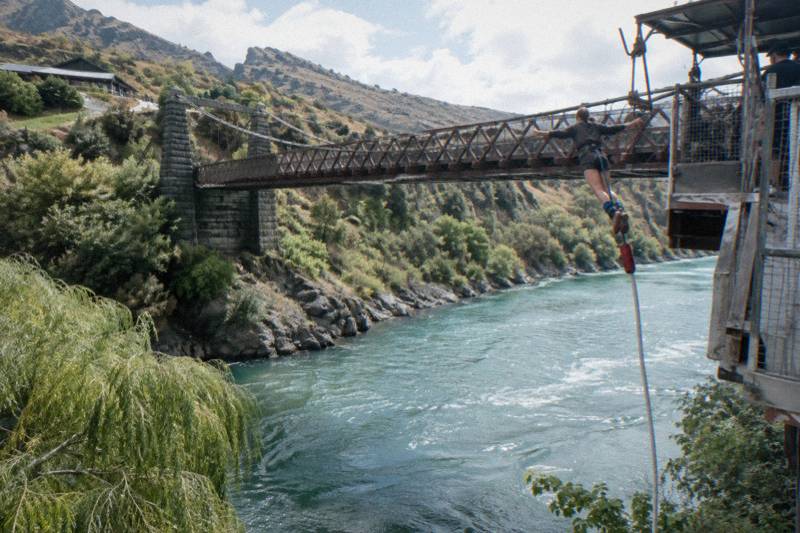
Can You Bungee Jump With Scoliosis?
Can you bungee jump with scoliosis? The Queenstown operator's rule is a doctor's certificate. Here is what to prepare, which jumps have which limits, and how booking works.
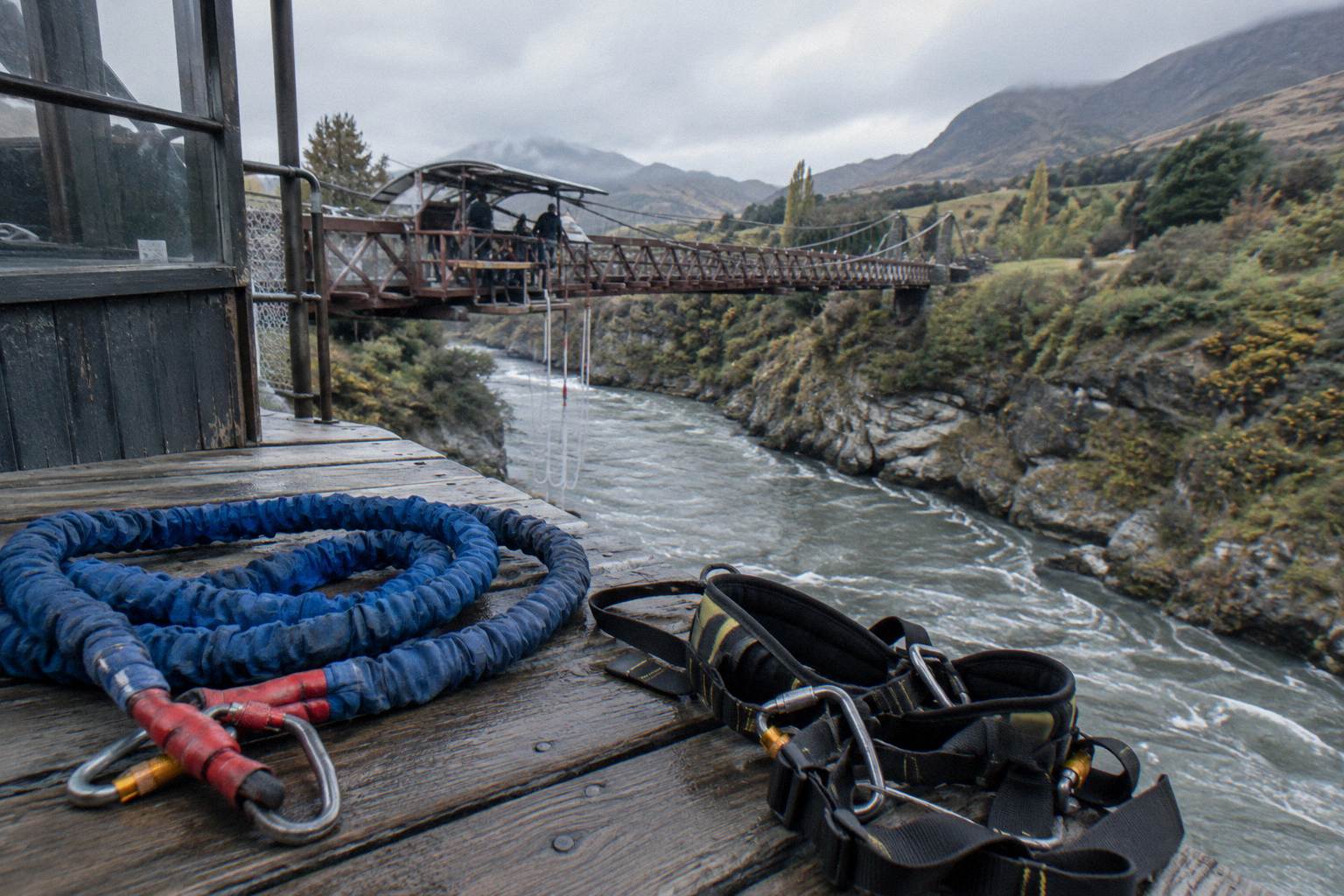
Planning a bungy jump while living with scoliosis comes down to one document in Queenstown: a doctor's certificate. Yes, you can bungee jump with scoliosis, but the Queenstown operator's stated rule is that scoliosis, along with osteoporosis and recent concussion, requires a doctor's certificate before you can take part. There is no blanket ban. The operator's health process asks you to tell the crew about your condition when you book, bring the certificate to check-in, and the crew assesses participation on the day. This page walks through what that means in practice: what the operator's health list actually says, how the certificate step works, which jumps carry which age and weight limits, and where people with medical paperwork tend to get tripped up when booking. The information here comes from the operator's own published health, safety and booking pages, because those are the rules that will actually be applied at the platform.
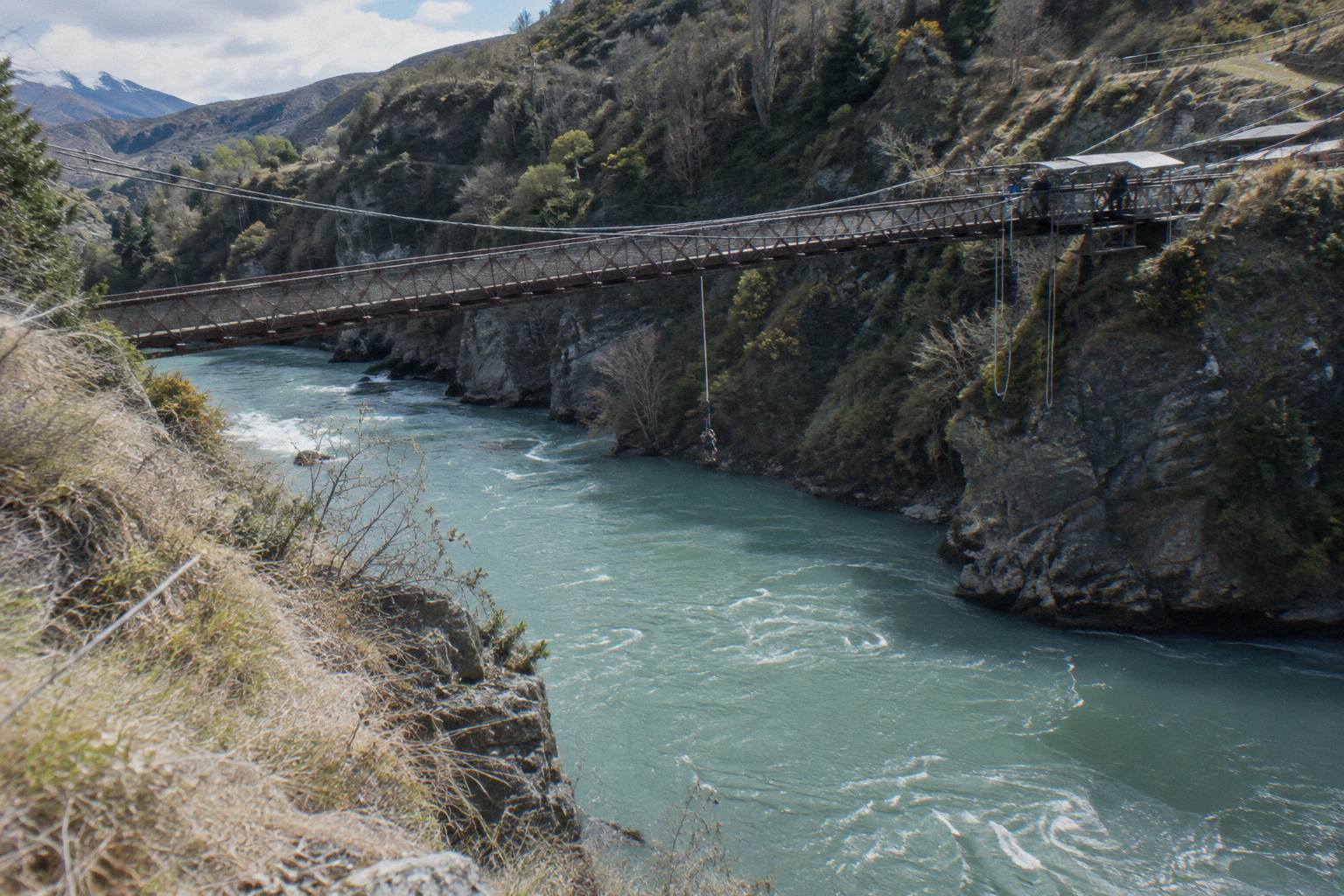
What The Operator's Health Rules Say About Scoliosis
Scoliosis appears on the operator's list of conditions that need a doctor's certificate, alongside osteoporosis and recent concussion. Separately, the operator states that pregnant guests and people with photosensitive epilepsy cannot take part at all. Every other listed condition, from asthma to diabetes to heart conditions, is a disclose-and-discuss matter: tell the crew, answer their questions, and the crew decides. Scoliosis sits in the certificate tier, not the banned tier and not the simple-disclosure tier.
The operator, AJ Hackett Bungy NZ, publishes a specific list of conditions its crew must be told about, and scoliosis sits in a smaller group with extra requirements. None of this is a judgment about your spine; it is the operator's standard medical screening applied the same way to every jumper who arrives at any of its sites.
The full disclosure list, according to the operator's safety page, includes high or low blood pressure, heart conditions, epilepsy, high myopia, broken or fractured bones, dislocations, fragile skin, neurological disorders, diabetes, asthma, prosthetics, panic or anxiety attacks, and recent sprains or muscular injuries. Scoliosis is not in that first tier. It sits in the certificate tier: osteoporosis, scoliosis and recent concussion need a doctor's certificate, the operator says. The practical difference matters when you are planning. A disclosed condition is a conversation at check-in. A certificate condition is paperwork you must obtain before you travel, or you risk being turned away on the day with no refund, because the operator's cancellation terms treat a refusal at check-in as a no-show.
It is worth being precise about what the operator does not say. The published pages make no statement about what scoliosis does or does not do to a jump, and no medical explanation of any condition appears anywhere in its material. The rule is procedural, not diagnostic: certificate, disclosure, crew assessment. If you want a fuller picture of how the operator handles health screening across all the listed conditions, the companion guide on medical conditions and bungy jumping covers the whole list product by product. The only advice beyond the operator's own list is the standard one: check with your doctor, and tell the crew when you book.
“Amazing experience all around. The staff were fantastic and the pictures and videos they capture are incredible!”
How The Doctor's Certificate Step Works In Practice
The operator's process is: declare scoliosis when you book, obtain a doctor's certificate stating you are fit to jump, bring photo ID and the certificate to check-in, and let the crew make the final participation call on the day. The certificate is your doctor's statement, not the operator's form; the operator's pages do not publish a template. If you arrive without it, the operator's terms treat the outcome as non-refundable.
Getting the certificate right is the single thing that decides whether your booking survives contact with check-in, so build the doctor's visit into your trip planning rather than leaving it to your last day in town. A letter obtained in a rush, or written vaguely, creates exactly the kind of conversation at the platform you booked a holiday to avoid.
A practical sequence works like this. Book your jump first, because the certificate has no value without a date, and the operator's cancellation window gives you room: cancel or change more than 24 hours before your slot and it is fully refundable, minus a 1.99% card transaction fee that the operator says is non-refundable. Once the date is set, see your doctor and ask for written clearance for bungy jumping specifically. Bring that letter, your photo ID, and your booking confirmation. At check-in, tell the crew about the scoliosis even though it is on your booking, because the crew on the day is the group that assesses you, not the person who took the booking.
Two timing facts from the operator's FAQ shape how early you should plan. In summer, the operator recommends booking the Nevis Bungy 4 to 6 weeks ahead, with the peak running 15 December to 15 January and the busiest days 30 December to 2 January; outside peak, about 48 hours ahead is usually enough. That gives you a window in which to book, see your doctor, and still have time to reschedule if the certificate conversation raises anything. If weather or safety stops operation entirely, the operator says you can transfer, reschedule or take a full refund, which is one scenario where the certificate question is postponed rather than lost.
Which Queenstown Jumps Can You Book, And What Are Their Limits?
You can book two Queenstown bungy jumps: the 43 m Kawarau Bridge Bungy, ages 10 and over at 35 to 160 kg, and the 134 m Nevis Bungy, ages 13 and over at 45 to 127 kg. Combos follow the limits of the family they belong to; a doctor's certificate for scoliosis is an additional requirement that does not change the numbers; the operator assesses everyone on the day, and weather can shift the operating weight ranges.
With paperwork in hand, the choice of jump is wide, but each product carries its own age and weight rules, and the limits never transfer between sites. The table below puts the four bookable options side by side so the numbers can be compared at a glance rather than pieced together from separate pages.
| Product | Height | Minimum age | Weight range | Operator's price from |
|---|---|---|---|---|
| Kawarau Bridge Bungy (43m Bungy, World's First) | 43 m | 10 | 35 to 160 kg | NZD 320 adult |
| Nevis Bungy (134m Bungy, New Zealand's Biggest) | 134 m | 13 | 45 to 127 kg | NZD 395 |
| Nevis Combo, Bungy & Swing | 134 m bungy | 13 | 45 to 127 kg | NZD 620 |
| Kawarau Combo, Bungy & Swing | 43 m | 10 | 35 to 150 kg | NZD 460 |
A few details sit behind those numbers. The operator says the Kawarau maximum drops to 130 kg when the river is high, and tandem jumps at Kawarau carry a combined maximum of 235 kg with a weight difference of at most 30 kg between jumpers. Under 18s need adult consent at check-in, and under 14s need an adult aged 18 or over on site, though that adult does not have to take part. There is no strict height limit; you must fit the harness, and the crew assesses on the day. If your weight sits near an edge, the operator's contact line, 0800 286 4958 or +64 3 450 1300, is the place to ask before booking rather than after.
The certificate requirement itself applies across the sites equally, because it comes from the operator's health screening rather than from any individual jump. That means your decision can be about height, price and time rather than about paperwork. The Nevis trip runs about 3.5 to 4 hours including a 45-minute 4WD bus ride each way on private land, with no self-drive option. Kawarau is about 25 minutes from Queenstown on SH6 in Gibbston Valley with free parking, and the operator says to allow 1.5 hours self-drive or 2.5 hours by its free Bungy Bus. Neither trip time is affected by your medical status; both are affected by how early in the day you check in.
What Else The Health Declaration Covers
The operator's health declaration covers three tiers: conditions you must tell the crew about, conditions that cannot take part at all, and conditions requiring a doctor's certificate. Scoliosis is in the third tier. If you hold a second listed condition, it does not override the certificate; you declare everything, and the crew applies the strictest rule that fits. The operator may also test for drugs and alcohol, and the result is non-negotiable.
Scoliosis rarely travels alone in a booking, so it helps to see the whole disclosure list in one place before you call the operator. Reading the tiers together also makes the phone call easier: you can name every item that applies to you in one sentence and get one clear answer about what each needs.
| Tier | Conditions, as the operator lists them | What you do |
|---|---|---|
| Disclose to the crew | High or low blood pressure, heart conditions, epilepsy, high myopia, broken or fractured bones, dislocations, fragile skin, neurological disorders, diabetes, asthma, prosthetics, panic or anxiety attacks, recent sprains or muscular injuries | Tell the crew when you book; crew assesses on the day |
| Certificate required | Osteoporosis, scoliosis, recent concussion | Bring a doctor's certificate to check-in |
| Cannot take part | Pregnancy, photosensitive epilepsy | Not permitted, per the operator |
Two smaller rules from the same pages often surprise people. Glasses cannot be worn on any of the jumps, and prescription safety goggles are available, which the operator's safety page says are free of charge. And the operator names Kawarau as its preferred Queenstown site for guests with more severe mobility impairment, with participation still at the operator's discretion. Neither rule is about scoliosis directly, but both shape the day: if you wear glasses, plan for goggles, and if mobility is part of the picture, Kawarau's setup is the one the operator itself points to.
Booking, Telling The Crew, And What Happens If You Change Your Mind
Declare the scoliosis at the time of booking, not at the platform. The operator's cancellation rule is 24 hours: change or cancel more than a day ahead and you get a full refund minus the 1.99% card fee; inside 24 hours, a no-show, or deciding not to jump once there, is non-refundable. Booking with the certificate already in hand removes almost all of the financial risk. Payments accepted include Visa, Mastercard, EFTPOS, WeChat Pay, AliPay, UnionPay and Afterpay, per the operator.
The booking mechanics around a medical condition are simpler than they look, as long as the disclosure happens early. One phone call at the time of booking answers the certificate question, locks in the right advice from the crew, and leaves you with a refundable slot if anything changes before the 24 hour mark.
“Hands down one of the most incredible experiences of my life! Everything from the scenery, the great vibes from the crew, and the jump itself was simply amazing. 10/10 recommend!!”
There is a genuine decision moment about which product to put your money on. The 134m Bungy, New Zealand's Biggest is the flagship: rated 5.0 across 122 reviews, a 134 m jump the operator calls the highest in New Zealand, from NZD 395. The 43m Bungy, World's First at Kawarau Bridge is the original site, where the operator says the first commercial bungy opened in November 1988 at NZD 75 a jump, and it is rated 4.9. The combo layer is where the savings sit: the operator says the Nevis Combo, Bungy & Swing at NZD 620 saves NZD 100 against booking the two separately, and the operator's nationwide rule takes NZD 50 off per activity when you book two or more.
A combo deserves one extra thought when a certificate is involved. Combos pack more activity into a day, which means more crew interactions, more harness fittings and, at Nevis, a longer day on private land with no option to leave early other than the operator's own bus. Both combo families carry the same disclosure and certificate rules as their single jumps, so the paperwork does not change. If the doctor's letter is narrow and specific, ask the operator's team on 0800 286 4958 whether it covers every activity in the combo you are considering, or whether the letter needs to name them. Booking direct with the operator includes photos, video and an activity t-shirt, per its FAQ, which is worth knowing whichever product you choose.
Common Mistakes When Booking A Bungy With A Medical Condition
The recurring mistakes are: not declaring the condition when booking, arriving without the doctor's certificate, assuming a certificate from years ago still counts, mixing up one jump's weight limit with another's, and booking a tight same-day slot that leaves no room to reschedule. Each of these ends the same way, with a non-refundable refusal under the operator's 24 hour rule. All five are preventable before you leave home.
Most of the problems people hit with medical paperwork are avoidable with a phone call and a bit of lead time, and none of them require medical knowledge to dodge, only planning.
The certificate mistake deserves the most attention. A letter written for a different activity, or for a jump you planned and cancelled two years ago, may not satisfy the crew, and the operator's pages do not publish a template or a validity period, so that detail is not stated: ask when you book. The weight-limit mistake is quieter but just as final. The Nevis range is 45 to 127 kg and Kawarau is 35 to 160 kg, and the operator says weather can move those ranges on the day, with the Kawarau maximum dropping to 130 kg when the river is high. Someone who checked the Kawarau numbers and booked Nevis has solved the wrong problem.
“Bought the experience for my 17 year old son. The staff were very professional, friendly and ensured he absolutely loved it. So much so, he went out and booked the 134m bungy immediately after he finished.”
The timing mistake is the easiest to fix. Book with enough runway to see your doctor after the booking rather than before it, so the letter matches the actual date. In summer, the 4 to 6 week window the operator recommends for Nevis is plenty. And if nerves are part of the picture alongside the paperwork, the guide on what to expect on a first bungy jump covers the day step by step. One reassurance worth holding onto: the operator runs in most weather including rain, and if weather or safety stops the operation, you can transfer, reschedule or take a full refund. The sky is the one thing you cannot control, and even that has a process. For the broader picture on operator screening and history, see whether bungy jumping is safe, which is a fair question to ask alongside this one.
Planning a jump in Queenstown while managing a spine condition is a solved problem at Queenstown Bungy Jump: the rules are published, the process is a certificate and a conversation, and the crew that assesses you is the same crew that runs the operation every day of the year. Book early, get the letter, declare everything, and the rest of the day is the same as it is for anyone else standing on the platform.
Common Questions About Bungee Jumping With Scoliosis
Can You Bungee Jump With Scoliosis?
Yes, with a doctor's certificate. The Queenstown operator lists scoliosis among the conditions that require a certificate before you take part, alongside osteoporosis and recent concussion. You declare the condition when you book, bring the certificate and photo ID to check-in, and the crew makes the final participation call on the day.
Do I Need A Doctor's Certificate Or Just To Mention It?
A certificate. The operator's health list separates conditions you must disclose from conditions that need a doctor's certificate, and scoliosis is in the certificate group. Mentioning it at check-in without the letter does not satisfy the stated rule, and a refusal at that point falls under the non-refundable terms.
Which Jump Is Easier To Book With Medical Paperwork?
The paperwork is identical at both bookable sites, because the health screening belongs to the operator, not the jump. The practical differences are the limits: Kawarau Bridge Bungy takes ages 10 and over at 35 to 160 kg, while the Nevis Bungy takes ages 13 and over at 45 to 127 kg. The operator also names Kawarau as its preferred site for more severe mobility impairment.
What Happens If The Crew Says No On The Day?
The operator's published terms treat deciding not to jump, and being unable to jump, as non-refundable inside the check-in process. That is the risk of arriving without the certificate or with unanswered health questions. Cancel or change more than 24 hours ahead and it is fully refundable minus the 1.99% card fee, which is why early disclosure matters.
Does The Certificate Rule Apply To Combos Too?
Yes. The health screening applies to every activity the operator runs, so a combo such as the Nevis Bungy and Swing at NZD 620 carries the same certificate requirement as the single jump. Ask the operator on 0800 286 4958 whether your letter needs to name each activity in the combo.
Who Do I Ask If My Situation Is Unusual?
The operator, directly: 0800 286 4958 or +64 3 450 1300, or WhatsApp on +64 3 450 2823. Where a detail such as certificate validity is not stated on its pages, the team answers it before you book. Beyond the operator's list, the only advice is to check with your doctor and tell the crew when you book.