Medical Conditions And Bungy Jumping: Who Should Check First
The operator's own health rules decide who jumps, who needs a doctor's certificate and who cannot take part. Here is the full list, plus the age and weight limits that sit alongside it.
Short answer
The operator asks you to tell the crew about conditions including high or low blood pressure, heart conditions, epilepsy, diabetes, asthma and recent injuries. Pregnant guests and photosensitive epilepsy cannot take part. Osteoporosis, scoliosis and recent concussion need a doctor's certificate. The only advice beyond the list: check with your doctor and tell the crew when you book.
A bungy jump is a short, physical event with a harness, a cord and a crew that makes the final call on the day. That is why the operator, AJ Hackett Bungy NZ, keeps a health list and expects you to declare against it when you book. The list is not a medical verdict on anyone. It is a screening tool: some conditions only need to be mentioned, some need a doctor's certificate, and two rules are firm, pregnancy and photosensitive epilepsy mean no participation at all.
This page lays out the operator's stated health rules for its Queenstown sites, exactly as the operator publishes them, and nothing beyond them. No attempt is made here to explain what a condition does to a body during a jump. The only advice that appears on this page, repeated once now and then left alone, is the operator's own: check with your doctor and tell the crew when you book. Contact details for the operator are 0800 286 4958 or +64 3 450 1300, and WhatsApp +64 3 450 2823, if a condition on the list applies to you and you want an answer before paying anything.
Alongside the health rules sit the age and weight limits for each site, which are separate rules and never cross over between products. Both sets of limits are covered below, because most people asking who shouldn't bungee jump are really asking about the two together.
Who Should Check With A Doctor Before A Bungy Jump?
Anyone with a condition on the operator's declare list should raise it with a doctor before booking, and the same applies to anyone carrying a recent injury. The operator's list covers blood pressure, heart conditions, epilepsy, eyesight, bones, joints, skin, nerves, blood sugar, breathing, prosthetics and anxiety. Declaring is not a refusal: the crew assesses on the day, and many people on the list jump. The firm exclusions are narrow, and the certificate rules sit in between.
The operator publishes its health requirements on its safety page and its legal page, and the two say the same thing. The wording splits into three tiers. First, conditions you must tell the crew about. Second, conditions that need a doctor's certificate before you can take part. Third, conditions that rule out participation entirely. The table in the next section lists all three tiers item by item.
What the operator does not do is grade the declare list. There is no published ranking of which listed conditions matter more, no guidance on severity, and no published medical rationale. That gap belongs to your doctor, not to a booking page. If you have a listed condition, the sequence that matches the operator's rules is simple: talk to your doctor, then call the operator on 0800 286 4958, then book with the condition noted on your booking.
A practical point on timing. The operator's cancellation rule, published on its FAQ page and legal page, makes a booking fully refundable if you cancel or change more than 24 hours ahead, minus a 1.99% card transaction fee that is non-refundable. Under 24 hours, a no-show, or arriving and deciding not to jump, is non-refundable. So a medical question answered before booking costs nothing, and the same question answered at the platform can cost the full fare.
What Medical Conditions Does The Operator Ask You To Declare?
The declare list is long by design: high or low blood pressure, heart conditions, epilepsy, high myopia, broken or fractured bones, dislocations, fragile skin, neurological disorders, diabetes, asthma, prosthetics, panic or anxiety attacks, and recent sprains or muscular injuries. Telling the crew about any of these is a booking-step requirement, not a judgement. The operator asks you to declare when you book, and the crew assesses on the day. The table below shows the full three-tier structure.
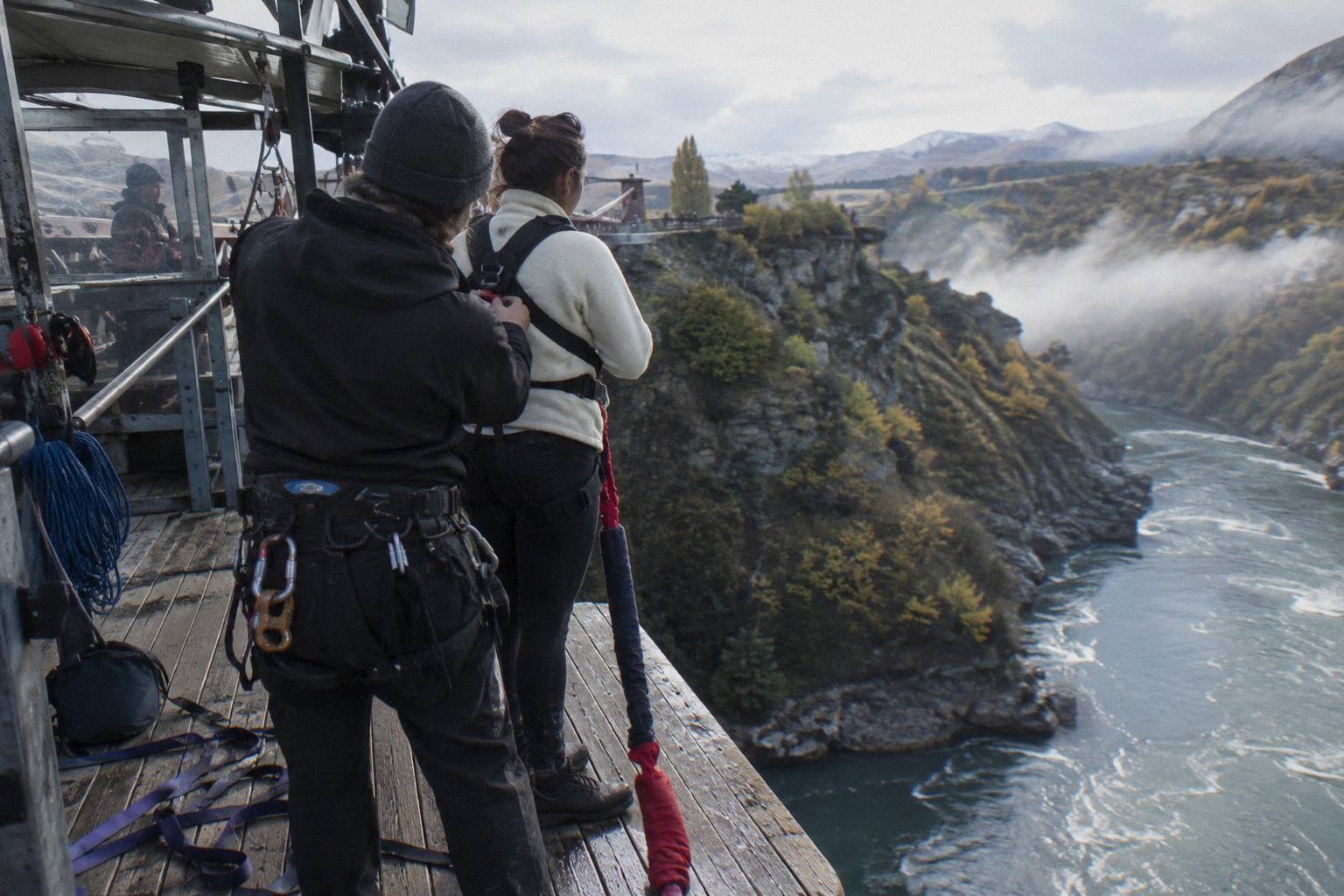
Here is the operator's health list in full, sorted into the three tiers the operator itself uses.
| Tier | Conditions (operator's list) | What happens |
|---|---|---|
| Tell the crew when you book | High or low blood pressure; heart conditions; epilepsy; high myopia; broken or fractured bones; dislocations; fragile skin; neurological disorders; diabetes; asthma; prosthetics; panic or anxiety attacks; recent sprains or muscular injuries | The crew assesses on the day |
| Doctor's certificate needed | Osteoporosis; scoliosis; recent concussion | Certificate presented before you take part |
| Cannot take part | Pregnancy; photosensitive epilepsy | No participation |
Three of these come up so often in questions that this site covers them in their own posts. If diabetes, scoliosis or asthma is the reason you are reading, there are dedicated pages on jumping with diabetes, on jumping with scoliosis and on jumping with asthma, each built on the same operator list used here.
Notice what is not on the list: age itself is not a medical condition. An adult of any age who is clear of the listed conditions faces no health declaration item on age alone, though the age minimums and the under-18 consent rules in a later section still apply. This site also has a page specifically on bungy jumping over 60, which works from the same operator rules. General nervousness is not listed either; what is listed is panic or anxiety attacks, which is a specific medical history, not ordinary fear of heights. Fear itself has its own page, bungy jumping with a fear of heights, which is a different problem from a declared condition.
The declare list also exists at the moment of booking, not just at the platform. The booking page asks health questions, and the honest answer there is the one that matters, because the crew's day-of assessment starts from what you declared. If you want a sense of the broader safety framework the operator works inside, whether bungy jumping is safe covers the operator's own published record wording without inventing statistics.
For most readers the decision that follows is which product to book, and the health rules apply across all of them.
Which Conditions Mean You Cannot Take Part?
Two rules are firm per the operator: pregnant guests cannot take part, and guests with photosensitive epilepsy cannot take part. There is no discretion wording around either. Everything else on the list is either a declaration the crew assesses or a certificate the operator accepts. The firm exclusions apply to every Queenstown product the operator runs, at both the Kawarau and Nevis sites, with no stated exception process.
It is worth being precise about why these two sit apart. The operator does not publish a medical explanation for either rule, and none is offered here. What the operator publishes is the rule itself, in the same list as the certificate items, and its FAQ and legal pages repeat it without qualification. If either applies to you, the operator's own phone line is the only route to a definitive answer, and the printed rule gives no room for a booking.
The certificate tier is different in kind. Osteoporosis, scoliosis and recent concussion do not block a booking; they add a paperwork step. A doctor's certificate, in the operator's wording, is what you present so participation can proceed. When to get it, and what it should say, is a matter for your doctor, and the operator's contact line can confirm the current requirement before you pay for anything.
What Does A Doctor's Certificate Actually Change?
A certificate does not waive the operator's rules; it documents that your doctor has assessed you for the activity. The operator names exactly three items in this tier: osteoporosis, scoliosis and recent concussion. With a certificate, the crew's normal day-of assessment applies. Without one, the operator's published position is that you cannot take part while the condition applies.
The practical sequence for anyone in this tier: see the doctor first, call the operator second, book third. Reversing the order risks paying for a jump you cannot take, and the 24-hour cancellation window closes fast. A certificate obtained the same week as the jump is worth confirming with the operator on 0800 286 4958, because the operator decides what it accepts, and it says so on its legal page.
One trap worth naming: a certificate for one operator or one activity does not automatically transfer. No statement was found saying the operator accepts certificates written for other activities, so treat that as not stated and ask directly. The same caution applies to certificates written months earlier: nothing published says they expire, and nothing says they do not, so confirm rather than assume. More of these guides are collected on Queenstown Bungy Jump.
A note on repeat jumps belongs here too. The operator offers repeat customers 20% off a future single activity, with combos and the Zipride excluded, so someone who completed a jump before a concussion and returns afterwards with a certificate may also be eligible for that discount, though the certificate rule and the discount rule are entirely separate and one does not affect the other.
Do Age And Weight Limits Affect Medical Clearance?
They are separate rules that sit beside the health list, and they never cross between products. Kawarau Bridge Bungy takes ages 10 and up, 35 to 160 kg, with the maximum dropping to 130 kg when the river is high. Nevis Bungy takes ages 13 and up, 45 to 127 kg. A doctor's clearance does not lift a weight limit, and fitting a weight limit does not clear a health condition. You need to satisfy both sets independently.
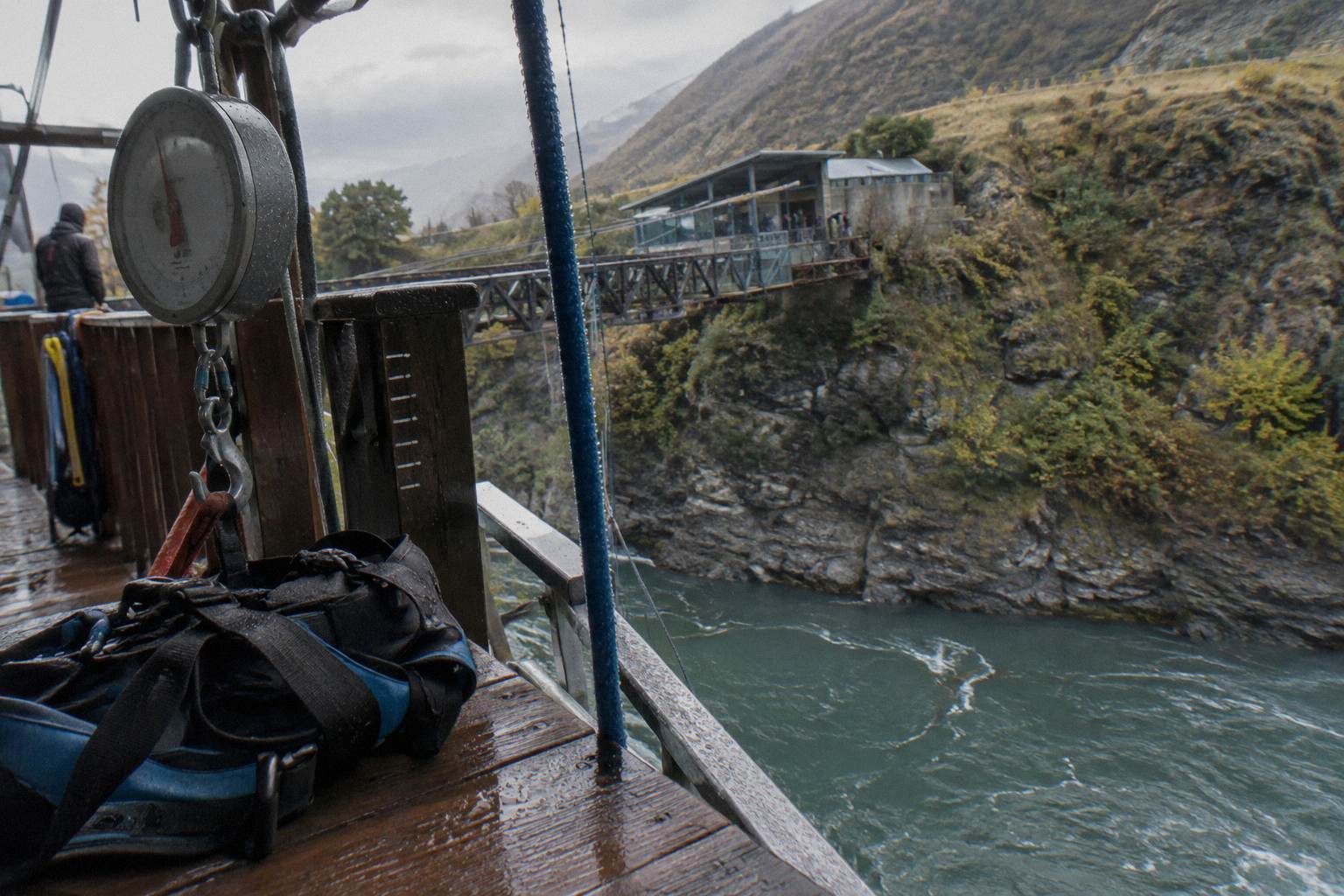
The full age and weight picture across the operator's Queenstown products, exactly as the operator states it:
| Product | Minimum age | Weight range | Extra weight rules |
|---|---|---|---|
| Kawarau Bridge Bungy | 10 | 35 to 160 kg | Max 130 kg when river is high; tandem combined max 235 kg, difference at most 30 kg |
| Kawarau Swing | 8 | 30 kg min, 150 kg solo, 240 kg tandem or triple | Single, tandem or triple |
| Kawarau Zipride | 8 | 30 to 150 kg | Ages 8 to 9 ride tandem with an adult aged 20 or over |
| Nevis Bungy | 13 | 45 to 127 kg | Operator's highest jump at 134 m |
| Nevis Catapult | 13 | 45 to 127 kg | Propelled 150 m with up to 3Gs, the operator says |
| Nevis Swing | 10 | 35 to 160 kg solo | Tandem maximum 220 kg |
| Ledge Bungy | 10 | 35 to 127 kg | Reopening summer 26/27, per the operator |
| Ledge Swing | 10 | 30 to 107 kg | Reopening summer 26/27, per the operator |
Combos follow the limits of the products inside them: the Nevis combos are 13 and up, 45 to 127 kg, and the Kawarau Bungy & Swing Combo is 10 and up, 35 to 150 kg. There is no strict height limit on any product; the operator's requirement is that you fit the harness, and the crew assesses on the day. Weather can also change operating weight ranges, per the operator's FAQ, which is why the day-of assessment carries the final word. More detail is on the age limits page and the weight limits page.
Can You Wear Glasses Or Jump With A Mobility Impairment?
Glasses cannot be worn on the jump; the operator makes prescription safety goggles available, and its safety page says free of charge. For more severe mobility impairment, the operator names Kawarau as its preferred Queenstown site, with participation at the operator's discretion. Both rules are stated plainly by the operator, and neither is a health verdict: one is an equipment rule, the other a site suitability preference.
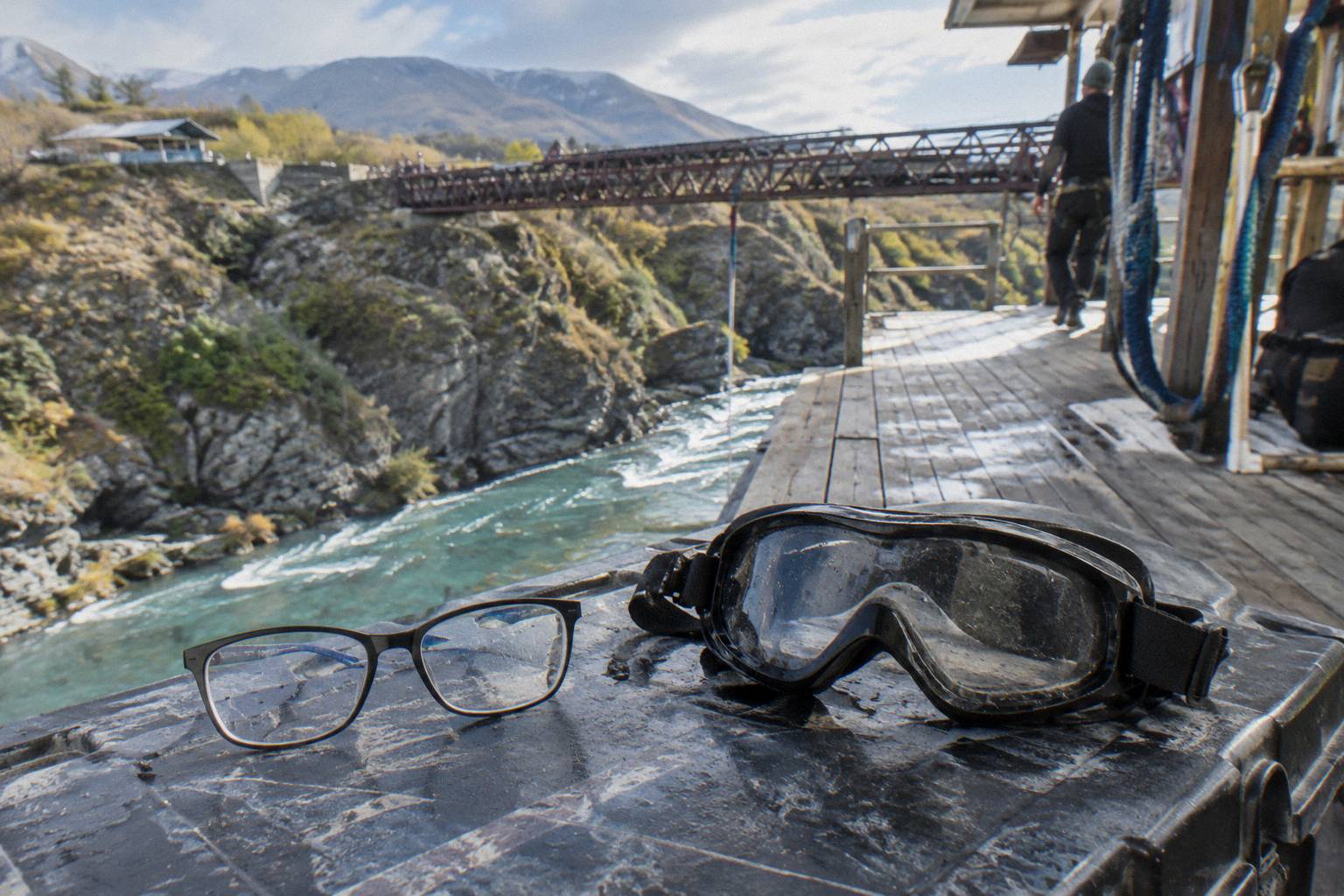
The glasses rule is absolute in the operator's wording: no glasses on the jump. Contact lenses are not addressed anywhere in the operator's published pages, so treat that as not stated and ask when booking. The goggles solution is the operator's own, and the "free of charge" wording comes from its safety page specifically, so quote that page if anyone at check-in queries it.
The mobility preference has a concrete logic you can act on without any medical claim being made. Kawarau Bridge Bungy is reached by road in Gibbston Valley with free parking, and after the jump the jumper is lowered to a boat, per the operator's FAQ. Nevis is different in kind: it sits on private land, reached only by a 4WD Bungy Bus with a 45-minute ride each way, and the jump is made from a cable car pod over the canyon, with the jumper lifted back to the platform. Neither description is a suitability verdict, and the operator's word for participation is discretionary. Anyone with a mobility question should name the site when calling 0800 286 4958, because the operator's own preference points to Kawarau first.
Spectating is also an option worth naming for anyone whose condition, or a companion's, points away from jumping. At Kawarau spectators are free, per the operator's FAQ; at Nevis a spectator spot is NZD 50 for adults and free for under 10s, and the Nevis Explorer spectator trip without an activity is also NZD 50. No one at either site is required to jump to be part of the day, and watching a bungy as a spectator covers the details.
How Do You Tell The Crew About A Condition When Booking?
You declare it at the booking step, on the health questions the booking page asks, and you can raise it earlier by phone on 0800 286 4958 or WhatsApp +64 3 450 2823. Bring photo ID, and anyone under 18 needs adult consent at check-in, with under 14s needing an adult aged 18 or over on site who need not take part. The crew assesses on the day, and the operator may test for drugs or alcohol.
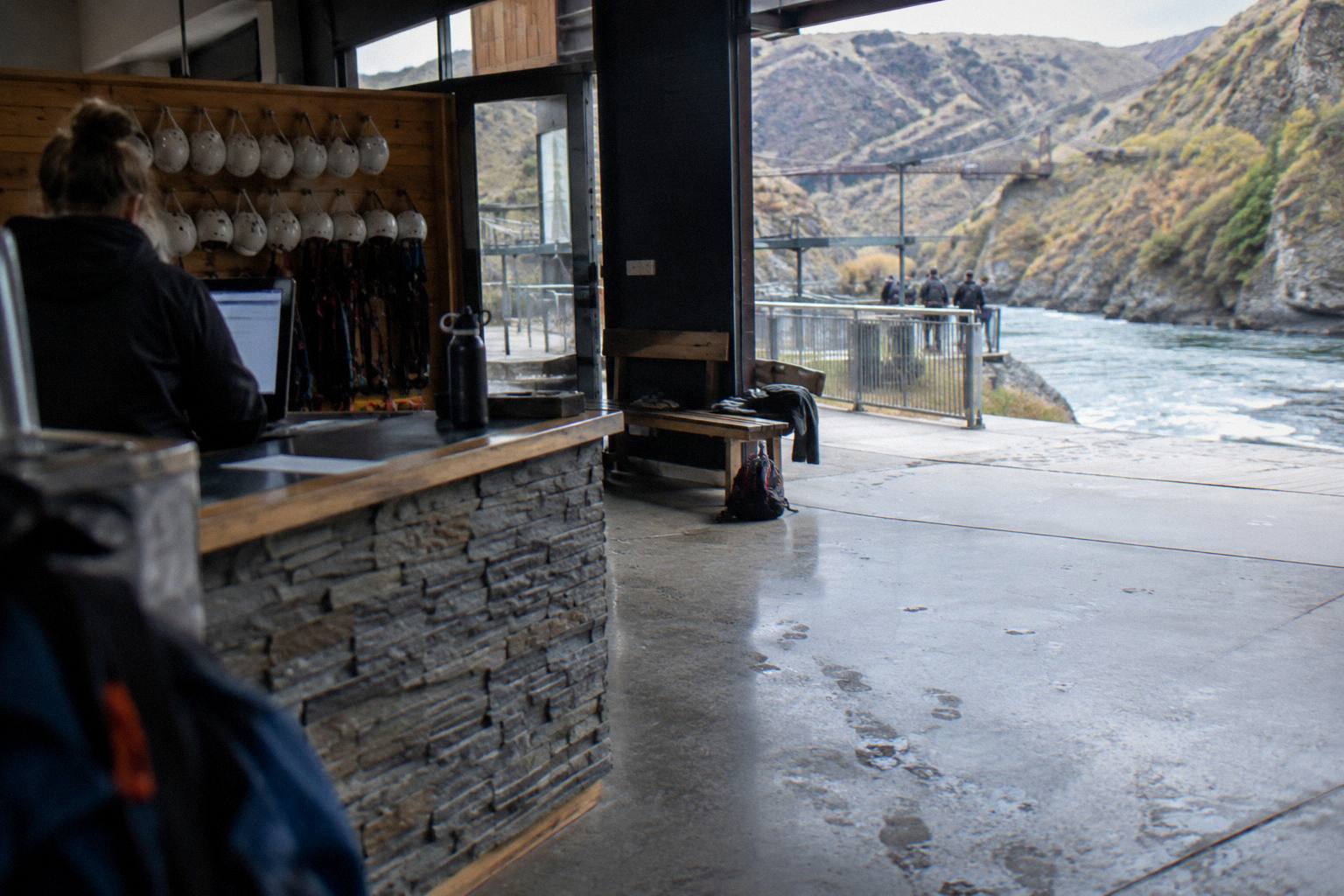
The check-in mechanics differ by site and are worth knowing before you plan the day. At Kawarau you check in 15 minutes before your jump time, and the site is open daily, closed Christmas Day, 8:30am to 5:00pm from October to April and 9:00am to 4:30pm from May to September, with the last jump 30 minutes before closing. Nevis departure times vary by day, there is no self-drive, and the 4WD bus ride is included in the price; allow about 3.5 to 4 hours in total. The Bungy Bus for Kawarau is free with limited seats and leaves from the corner of Shotover and Camp Streets in Queenstown, checking in 30 minutes before departure.
The drugs and alcohol rule is part of the same health section: no drugs or alcohol, and the operator may test. Combined with the "deciding not to jump is non-refundable" clause, this makes the honest declaration, a sober arrival and an on-time check-in the three things fully within your control.
Payments accepted by the operator are Visa, Mastercard, EFTPOS, WeChat Pay, AliPay, UnionPay and Afterpay, which matters if you are paying from overseas and want a card the operator takes before you commit to a date. Booking direct with the operator includes photos, video and an activity t-shirt per its FAQ, and the operator's best price guarantee matches a cheaper live price if you contact it before booking.
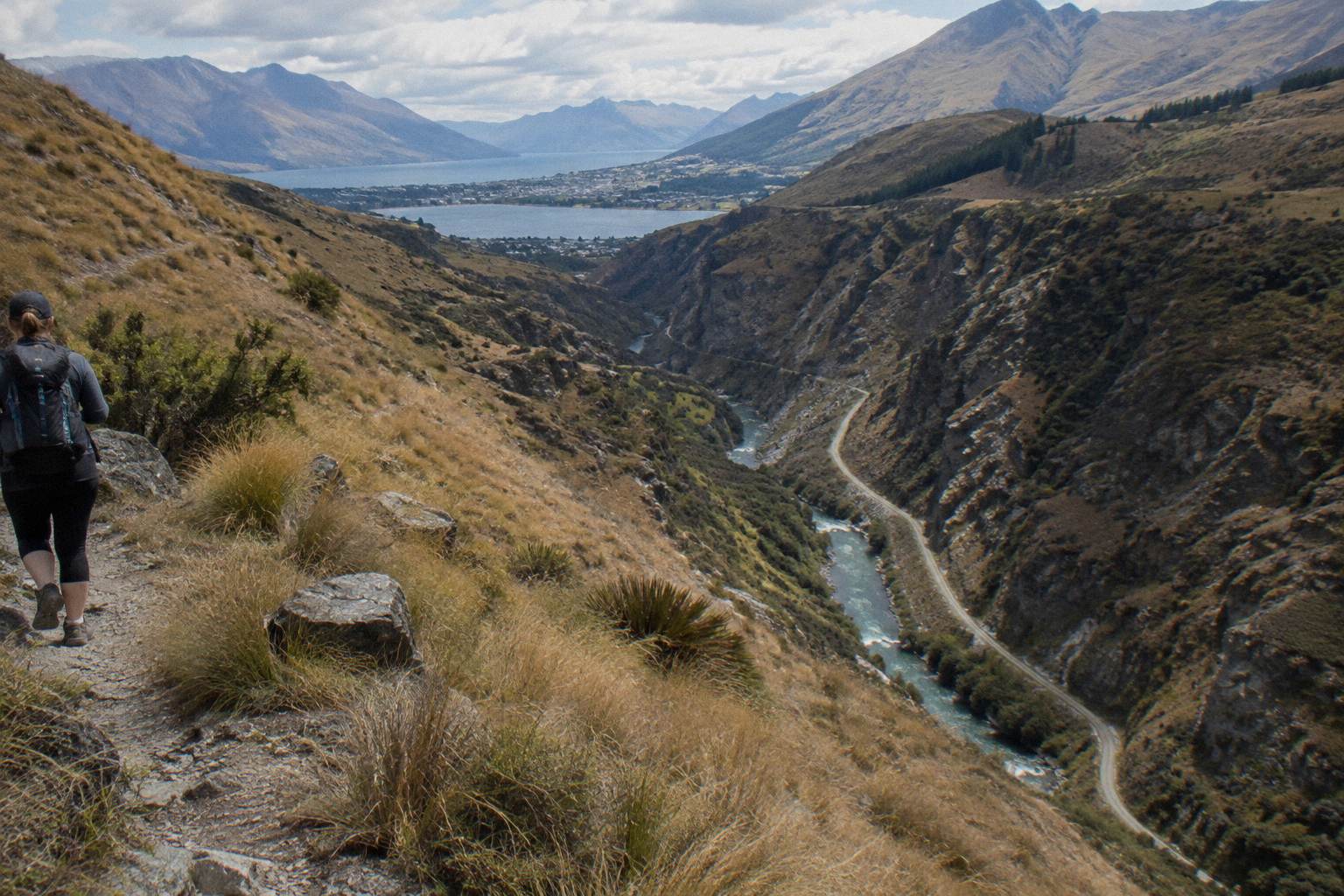
If the health list is clear and the question is only which jump to book, the 134m Nevis Bungy, New Zealand's biggest, is the one to check first: rated 5.0 across 122 reviews, the operator's price from NZD 395, ages 13 and up, 45 to 127 kg, with about 3.5 to 4 hours door to door and the operator's 24-hour cancellation rule. Check availability
Common Mistakes When Booking A Bungy With A Health Condition
The recurring mistakes are booking before the doctor conversation, assuming a declared condition means refusal, mixing up one product's limits with another's, and arriving without the certificate or photo ID. Each one either risks money under the 24-hour rule or stalls check-in on the day. Every mistake below has a fix that costs nothing but a phone call.
| Mistake | What goes wrong | The fix |
|---|---|---|
| Booking first, asking the doctor later | Under 24 hours it is non-refundable, and deciding not to jump is non-refundable too | Doctor first, operator call second, booking third |
| Treating the declare list as a ban | People on the declare list are assessed by the crew, not auto-refused | Declare when booking and let the crew assess on the day |
| Applying Kawarau limits to Nevis | Nevis is 13 and up, 45 to 127 kg; Kawarau is 10 and up, 35 to 160 kg | Check the table for the exact product you booked |
| Arriving without the doctor's certificate | Osteoporosis, scoliosis and recent concussion need the certificate to proceed | Carry it on the day, and confirm the requirement on 0800 286 4958 |
| Wearing glasses to the platform | Glasses cannot be worn on the jump | Ask for the prescription safety goggles, free of charge per the safety page |
| Assuming a mobility question answers itself | Participation is at the operator's discretion and it prefers Kawarau | Name your site and question when you call |
One booking-timing point that belongs here rather than earlier: the operator says to book the Nevis Bungy 4 to 6 weeks ahead in summer, with peak from 15 December to 15 January and the busiest days 30 December to 2 January; outside peak, about 48 hours ahead is usually enough. A traveller arranging a certificate and a doctor's appointment should fold that lead time into the plan, because a certificate obtained too late meets a full departure schedule. More on timing and refunds is in the cancellation and weather guide.
A final note on what this site itself can and cannot tell you. Everything above is the operator's published position, restated. Whether your specific condition, at its specific severity, fits inside that position is a question for two people only: your doctor and the operator's crew. Ask both, in that order, and you will have done everything the rules require.
For anyone cleared and choosing, the same three options cover most decisions: the biggest single jump, the original 43 m bridge, or the combo that pairs the Nevis jump with the swing.
Common Questions About Bungy Jumping And Medical Conditions
Who Shouldn't Bungee Jump?
Per the operator's rules: pregnant guests, guests with photosensitive epilepsy, anyone under the influence of drugs or alcohol, and anyone who cannot meet the age or weight limits for the product booked. Everyone else on the health list either declares a condition for the crew to assess or presents a doctor's certificate for osteoporosis, scoliosis or recent concussion. Check with your doctor and tell the crew when you book.
Can You Bungee Jump With Diabetes?
Diabetes is on the operator's declare list, so you tell the crew when you book; it is not on the certificate list or the cannot-take-part list. The operator publishes no medical guidance beyond the list itself. The practical steps are the operator's own: check with your doctor, then declare the condition when booking.
Can You Bungee Jump With Scoliosis?
Scoliosis is on the operator's certificate tier, so participation needs a doctor's certificate presented before you jump. It is not an outright exclusion. Confirm the current requirement with the operator on 0800 286 4958 before booking.
Can You Bungee Jump With Asthma?
Asthma is on the operator's declare list, so you tell the crew when you book. The operator publishes no view on severity or on inhaler use at the platform; treat that as not stated and raise it directly. Check with your doctor before you book.
Can You Wear Glasses Bungee Jumping?
No, glasses cannot be worn on the jump, per the operator's FAQ and safety pages. Prescription safety goggles are available, and the operator's safety page says free of charge. Contact lenses are not addressed in the operator's published pages, so ask the crew when booking.
Does A Doctor's Certificate Let You Skip The Health Declaration?
No. The certificate covers only the three named items, osteoporosis, scoliosis and recent concussion. Any other condition on the declare list still needs to be declared when you book, and the crew still assesses on the day.