Is Bungy Jumping Safe? How Queenstown Sites Manage Risk
One operator runs every bungy in Queenstown, and it manages risk through a written code of practice, health and weight screening, and a crew assessment on the day. Here is what the operator itself says, and how to check it before you book.
Short answer
The operator, AJ Hackett Bungy NZ, says its code of practice was instigated in 1990 and is now an industry standard for Australia and New Zealand. Safety here means screening (ages 10 or 13 and up, weight ranges of 35 to 160 kg or 45 to 127 kg depending on the site), declared health conditions, and a crew assessment on the day.
What can be checked is process. One operator, AJ Hackett Bungy NZ, runs every bungy, swing and catapult in Queenstown across three sites, and it publishes how it manages risk: a written code of practice it says dates from 1990, screening rules for age, weight and health, and a crew that assesses every jumper on the day. This guide walks through each of those layers exactly as the operator states them, so a hesitant reader can decide for themselves. The flagship 134 m Nevis Bungy tour page carries the full 13+ and 45 to 127 kg limits discussed below.
Is Bungy Jumping Safe In Queenstown?
Yes, in the sense that the operator manages risk tightly: AJ Hackett Bungy NZ screens every jumper for age, weight and health, operates under a code of practice it says has been an industry standard since the 1990s, and lets its crews make the final call on the day.
That framing matters because safety questions come in two kinds. The first is "has anything ever gone wrong", which cannot be answered from the sources available here, and any site that answers it with a confident number is inventing one. The second is "how is risk managed", which is answerable in detail, because the operator publishes its rules on its own safety page and its FAQ page, and those rules are specific: minimum ages of 10 at Kawarau and 13 at Nevis, weight ranges, a health declaration list, a drugs and alcohol ban the operator may test for, and a weather policy that lets the crew stop, transfer or refund a jump.
For a hesitant reader, the practical takeaway is that the system is built around saying no. A jumper outside the weight range does not jump. A jumper who has not declared a listed health condition should not jump. Weather can shrink the operating weight range, and at Kawarau a high river drops the solo maximum from 160 kg to 130 kg. The operator also runs in most weather including rain, and if weather or safety stops operation you can transfer, reschedule or take a full refund. In other words, the structure assumes variable conditions and gives humans discretion, rather than promising an outcome.
If fear of heights rather than safety process is the real blocker, the separate guide on jumping with a fear of heights covers that ground, and what to expect on a first jump walks through the day itself.
How The Operator Describes Its Own Safety System
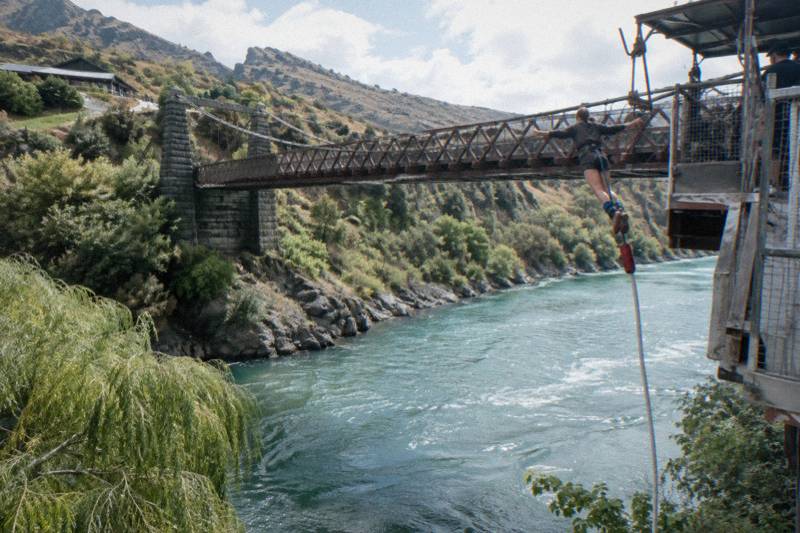
According to the operator, its code of practice was instigated in 1990 and is now an industry standard for Australia and New Zealand. The company tells its own history this way: AJ Hackett and Henry van Asch developed the bungy cord, the first commercial bungy opened at the Kawarau Bridge in November 1988, and the bridge is "recognised as the birth of adventure tourism in New Zealand". Those are the operator's claims about itself, reported as such.
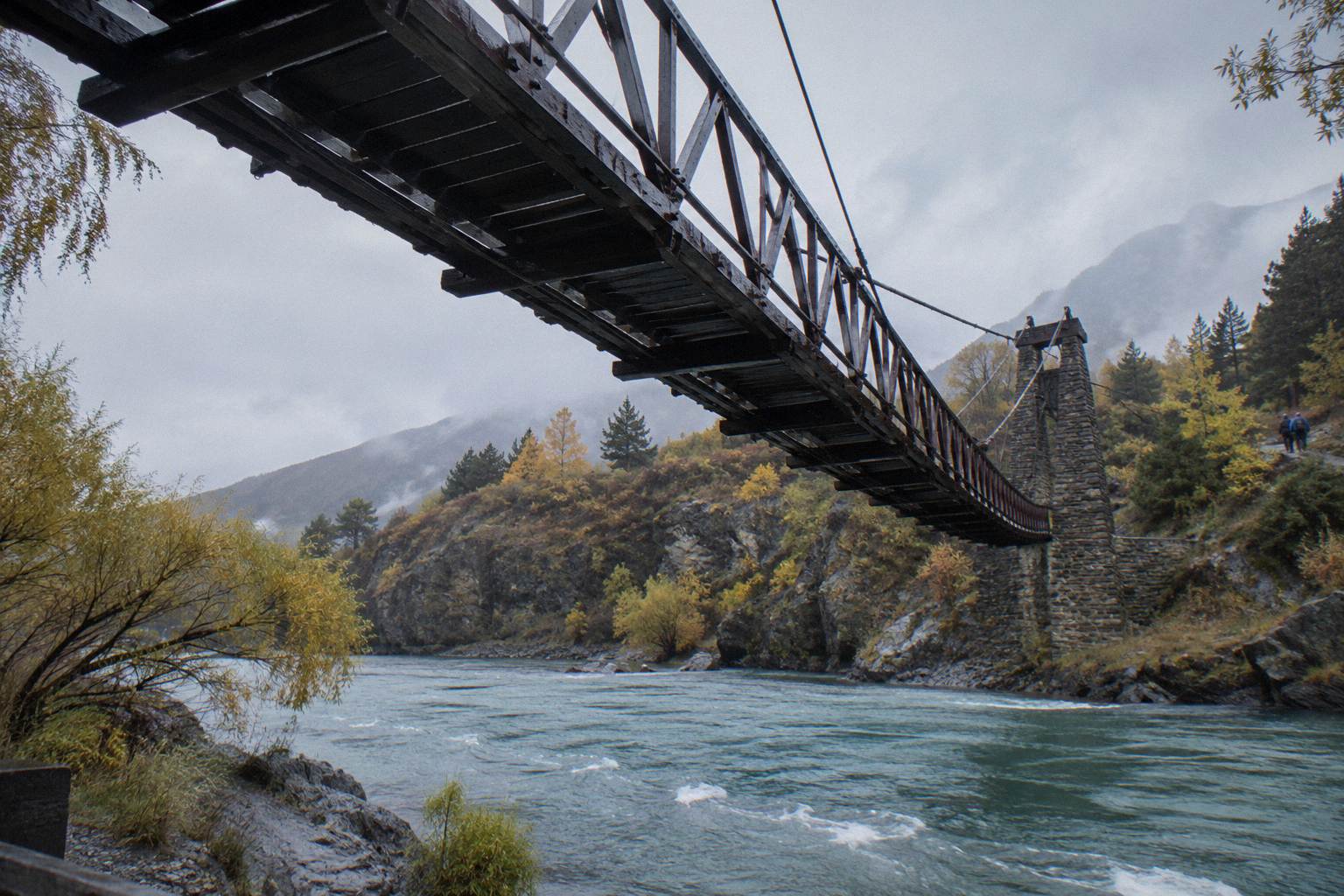
The history matters to a safety question for one reason: longevity in adventure tourism is not proof, but an operator that has run the same sites since 1988 has had time to write rules down, and says it has. The code of practice the operator describes is the document behind the screening, weighing, harnessing and jump procedures at all three Queenstown sites, Kawarau Bungy Centre, the Nevis Playground and The Ledge, per the operator's about page. The operator also uses the phrases "spotless safety record" and "impeccable safety record" about itself. Repeating those words as an independent fact would be dishonest; reporting that the operator says them is accurate.
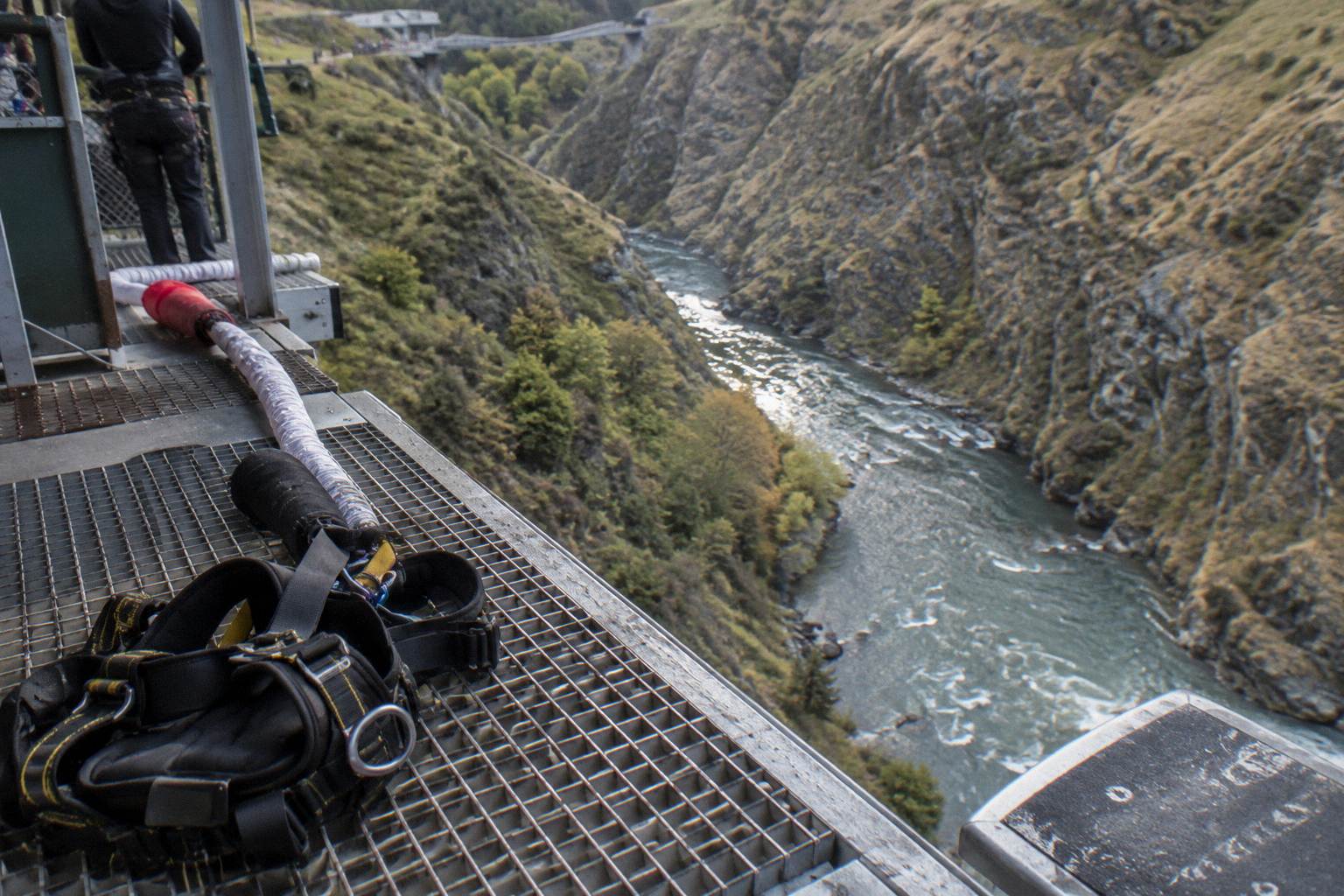
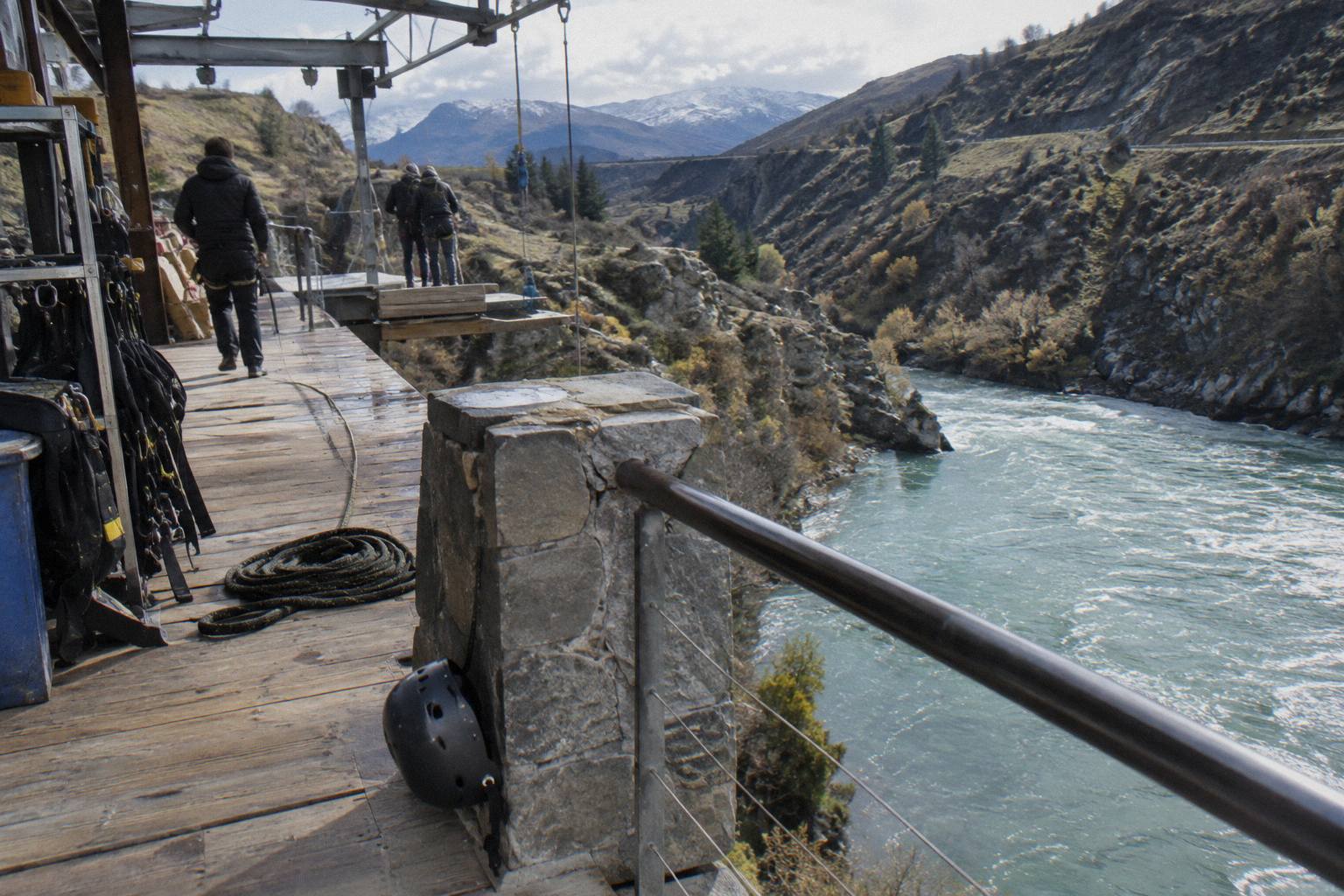
What a reader can verify directly is the equipment and procedure layer. Every jumper is weighed and harnessed by the crew. Glasses cannot be worn, and prescription safety goggles are available, which the operator's safety page says are free of charge. The recovery method differs by site and is stated: at Kawarau you are lowered to a boat after the jump, and at Nevis and The Ledge you are lifted back to the platform. The Nevis jump itself is made from a cable-car pod over the canyon, in the operator's own wording.
The three bookable products above span the two site families. The Nevis Bungy is rated 5.0 across 122 reviews, and the Kawarau Bridge Bungy carries a 4.9 rating with no review count stated. The Nevis Bungy & Swing Combo is rated 5.0 with no count. None of those ratings measure safety; they measure the experience, and this site does not compare ratings across tours. What they do tell a hesitant reader is that a substantial number of people have jumped, booked again through the combo layer, and reported on it.
Who Can Jump: Age, Weight And Health Screening
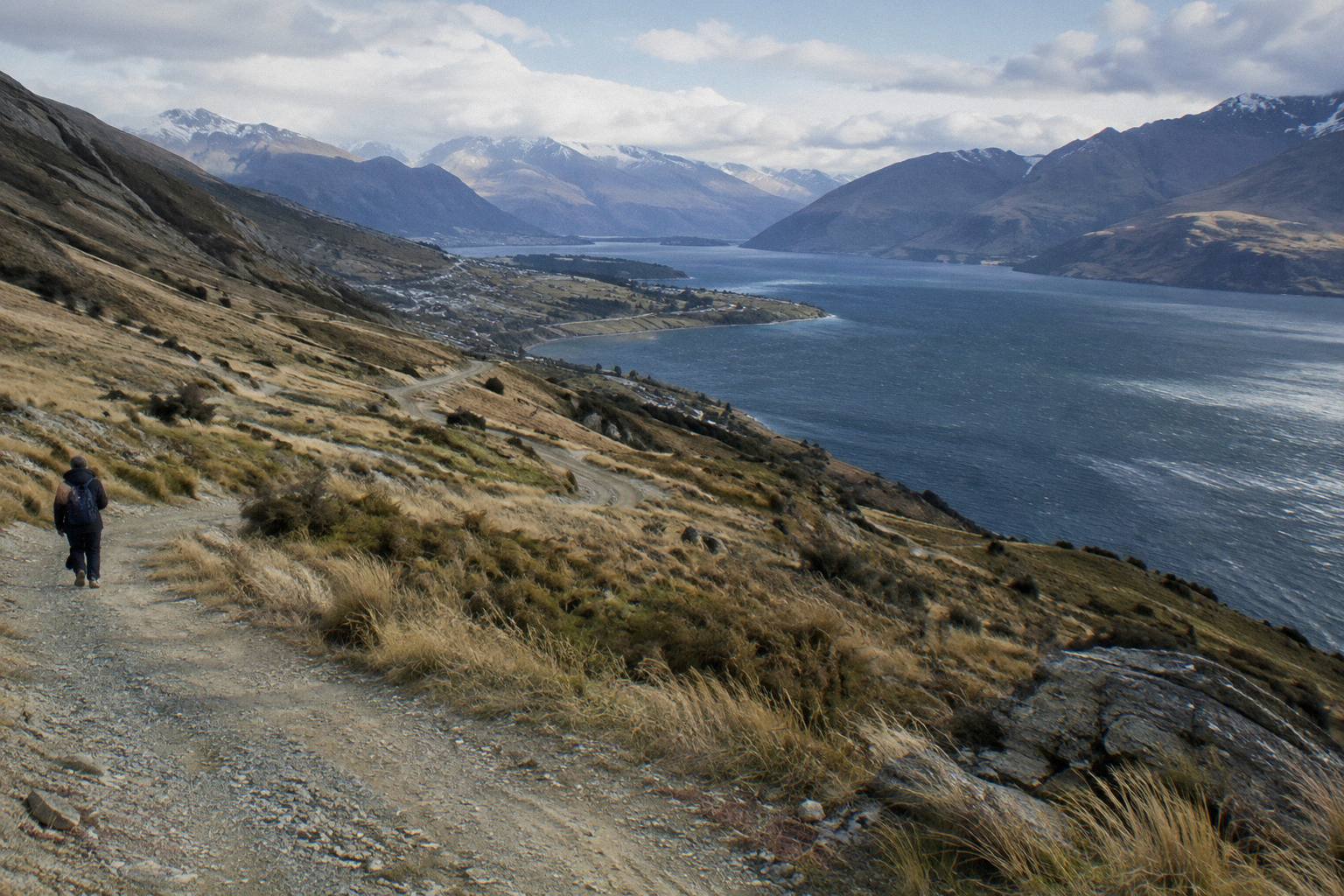
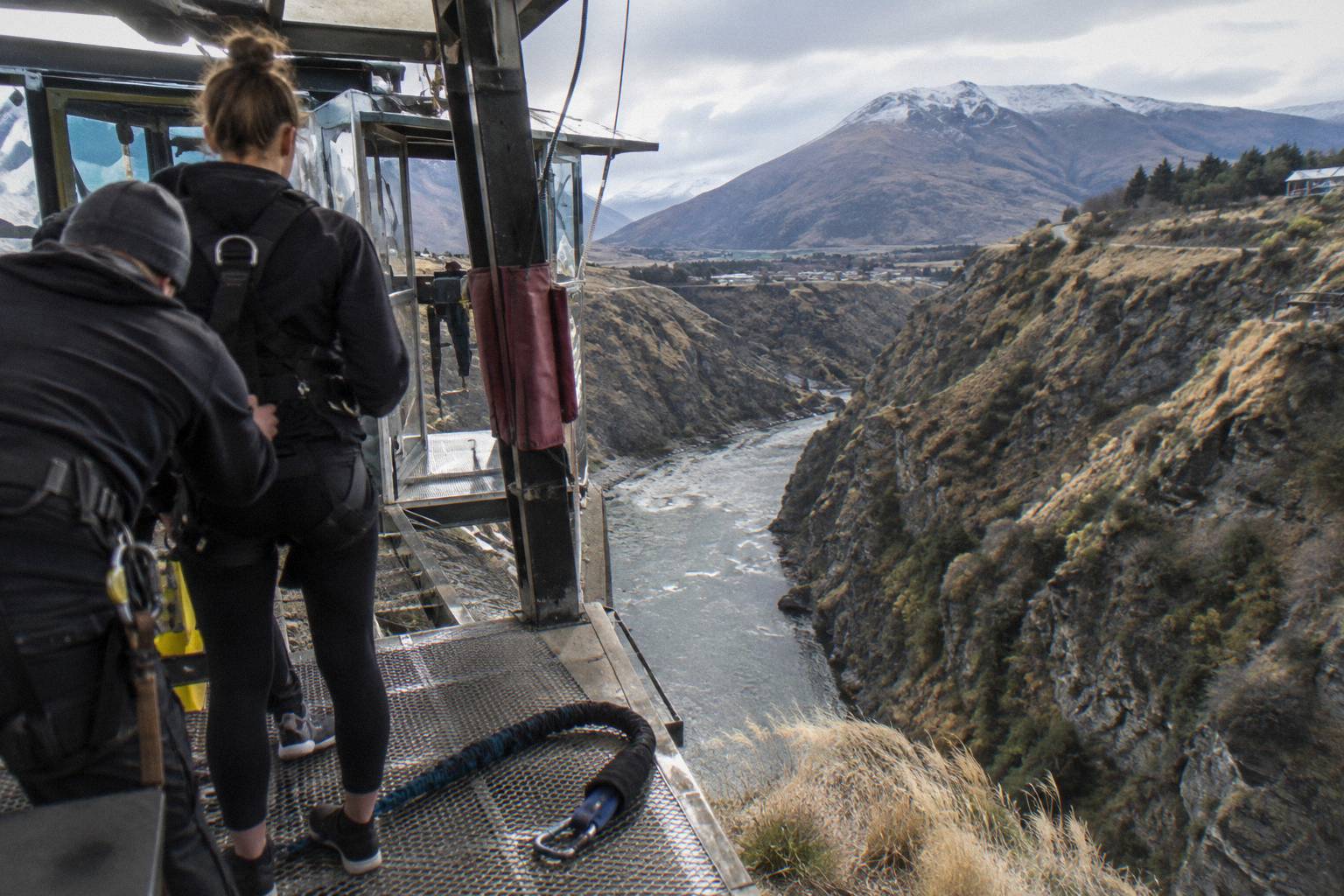
Screening is the operator's main safety gate, and it is strict: Kawarau products take jumpers aged 10 and up between 35 and 160 kg (130 kg when the river is high), while Nevis products take ages 13 and up between 45 and 127 kg. Under 18s need adult consent at check-in, and under 14s need an adult aged 18 or over on site, who does not have to jump. Health conditions must be declared to the crew when booking.
The health list the operator publishes is long, deliberately so. You must tell the crew about high or low blood pressure, heart conditions, epilepsy, high myopia, broken or fractured bones, dislocations, fragile skin, neurological disorders, diabetes, asthma, prosthetics, panic or anxiety attacks, and recent sprains or muscular injuries. Pregnant guests and guests with photosensitive epilepsy cannot take part. Osteoporosis, scoliosis and recent concussion require a doctor's certificate. None of that means a listed condition rules out a jump; it means the crew decides with the information, and the only advice this site adds is check with your doctor and tell the crew when you book. The dedicated medical conditions and bungy guide works through that list in more detail.
| Screening layer | Kawarau site | Nevis site |
|---|---|---|
| Minimum age (bungy) | 10 | 13 |
| Weight range | 35 to 160 kg solo or tandem | 45 to 127 kg |
| Weather adjustment | Max drops to 130 kg when river is high | Weather can change operating weight ranges |
| Tandem rules | Combined max 235 kg, difference at most 30 kg | Tandem applies to the Nevis Swing only, max 220 kg combined |
| Under 18 | Adult consent at check-in | Adult consent at check-in |
| Under 14 | Adult (18+) on site, need not take part | Adult (18+) on site, need not take part |
Tandem jumping at Kawarau has its own arithmetic: the combined maximum is 235 kg and the weight difference between the two jumpers can be at most 30 kg. There is no strict height limit at either site, but you must fit the harness, and the crew assesses on the day. The fuller breakdown of limits by product sits in the weight limit guide, and age rules for families are covered in bungy with kids.
One screening rule people miss: deciding not to jump on the day is non-refundable, the same as a no-show. That policy is not a safety rule, but it connects to one, because it means the right time to raise doubts, conditions or questions is before you book or at check-in, not on the platform. The operator's phone line, 0800 286 4958 or +64 3 450 1300, is the stated channel for asking before you commit.
How Weather And The Crew's On-The-Day Call Work
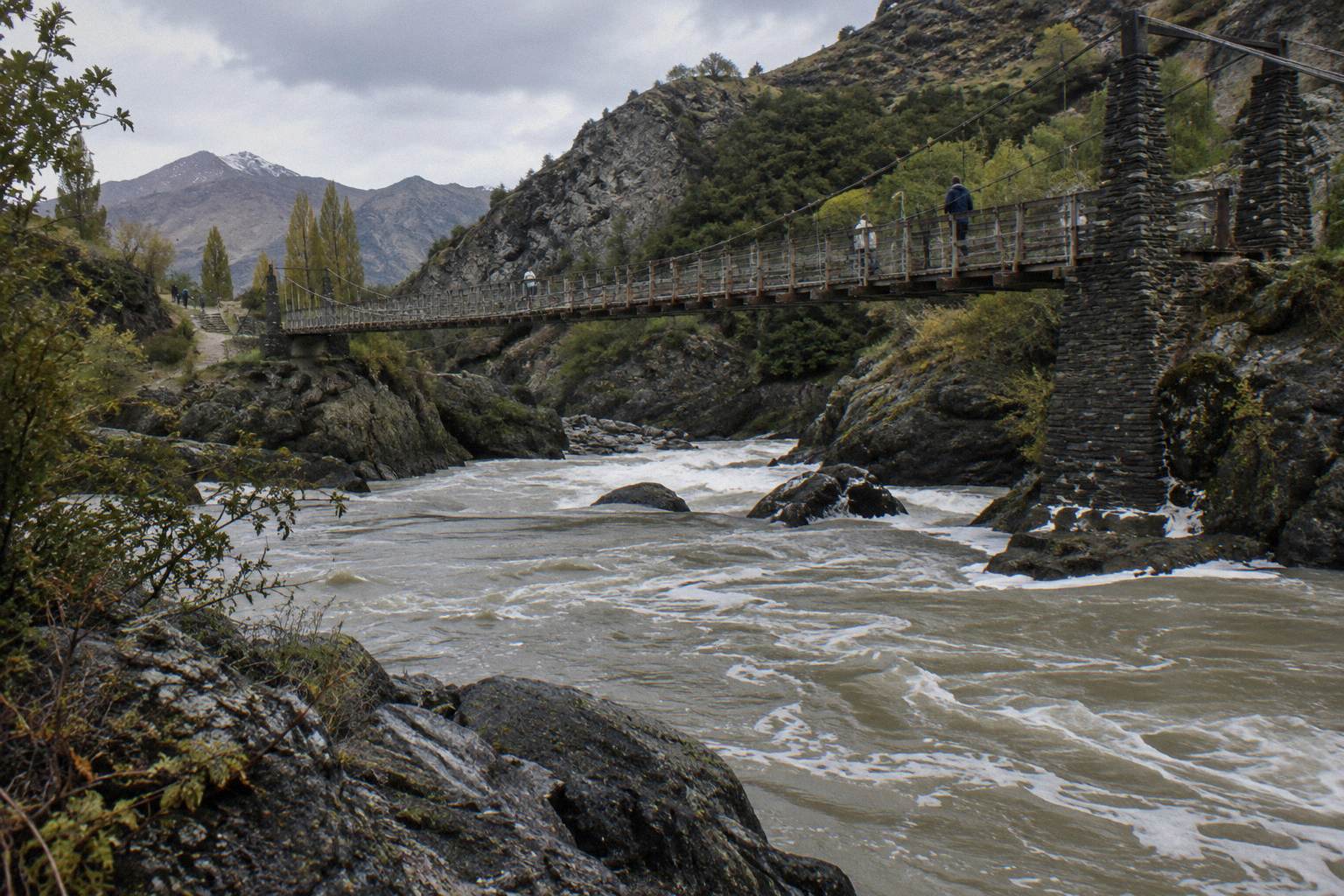
The operator runs in most weather, including rain, and states plainly what happens when conditions stop a jump: you can transfer to another date, reschedule, or take a full refund. Weather can also change operating weight ranges, and at Kawarau the water touch option depends on river level and crew discretion, with the solo maximum dropping to 130 kg when the river is high. The crew's assessment on the day is the final layer of the whole system.
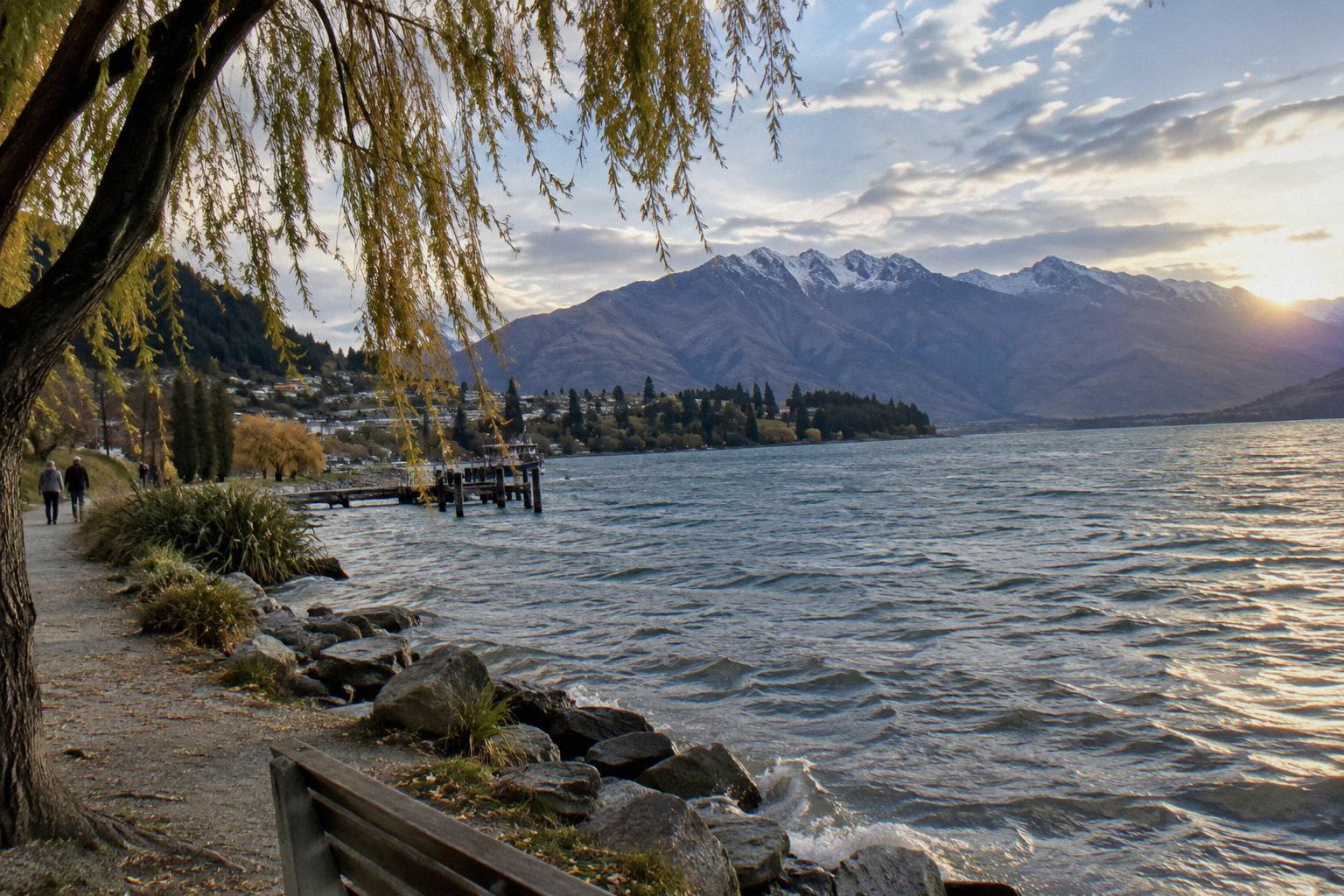
This is the part of the safety model that no brochure sentence captures. The written rules, ages, weights, health declarations, set the boundaries. Inside those boundaries, the crew weighs you, fits the harness, watches the conditions and makes the call. The operator's own framing gives that discretion room: weight ranges "operating", not fixed; the Kawarau water touch "not guaranteed"; departure times at Nevis varying by day. None of that is hedging for its own sake; it is a system that expects the river, the canyon and the weather to change and moves with them.
| Situation | What the operator says happens |
|---|---|
| Rain or most weather | Operation continues |
| Weather or safety stops operation | Transfer, reschedule, or full refund |
| High river at Kawarau | Solo and tandem max drops to 130 kg; water touch is crew discretion |
| Operating weight range | Weather can change it; the crew assesses on the day |
| Cancel more than 24 hours ahead | Fully refundable, minus the 1.99% card fee |
| Cancel under 24 hours, no-show, or choosing not to jump | Non-refundable |
The cancellation line in that table is the operator's rule and applies across its products; note the card transaction fee of 1.99% is non-refundable even on a refunded booking. The fuller picture, including how peak summer dates affect availability, is in cancellation and weather for Queenstown bungy. The short version for a nervous reader: the operator asks you to book Nevis 4 to 6 weeks ahead in summer, and outside the 15 December to 15 January peak about 48 hours is usually enough, per its FAQ, so pressure to overbook early is mild.
What Happens On The Day Of The Jump
Day-of mechanics are fixed by site: you check in with photo ID, are weighed and harnessed, cannot wear glasses (prescription safety goggles are available, free of charge per the operator's safety page), and cannot have drugs or alcohol in your system, which the operator may test. After the jump, Kawarau lowers you to a boat and Nevis lifts you back to the platform, and photos and video with instant delivery to your device are included in the activity price.
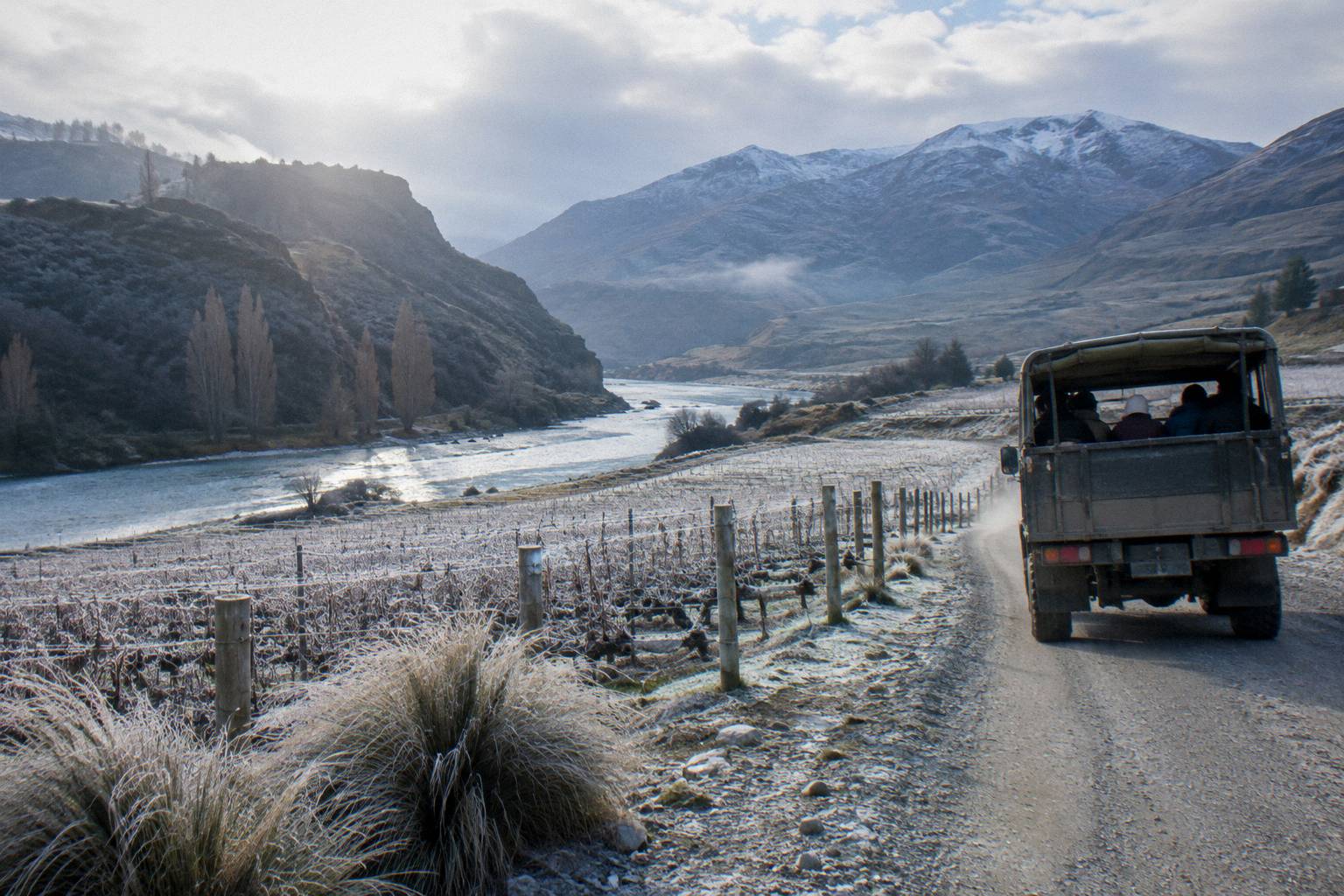
The check-in requirements are simple and enforceable: photo ID, adult consent forms for under 18s, and an adult on site for under 14s. At Kawarau you check in 15 minutes before your jump time; the Bungy Bus from central Queenstown asks for check-in 30 minutes before departure. At Nevis the 4WD bus ride is 45 minutes each way and the whole trip runs about 3.5 to 4 hours, so the day is longer and the ceremony of weighing and briefing happens at the canyon, in the cable-car pod from which the jump is made.
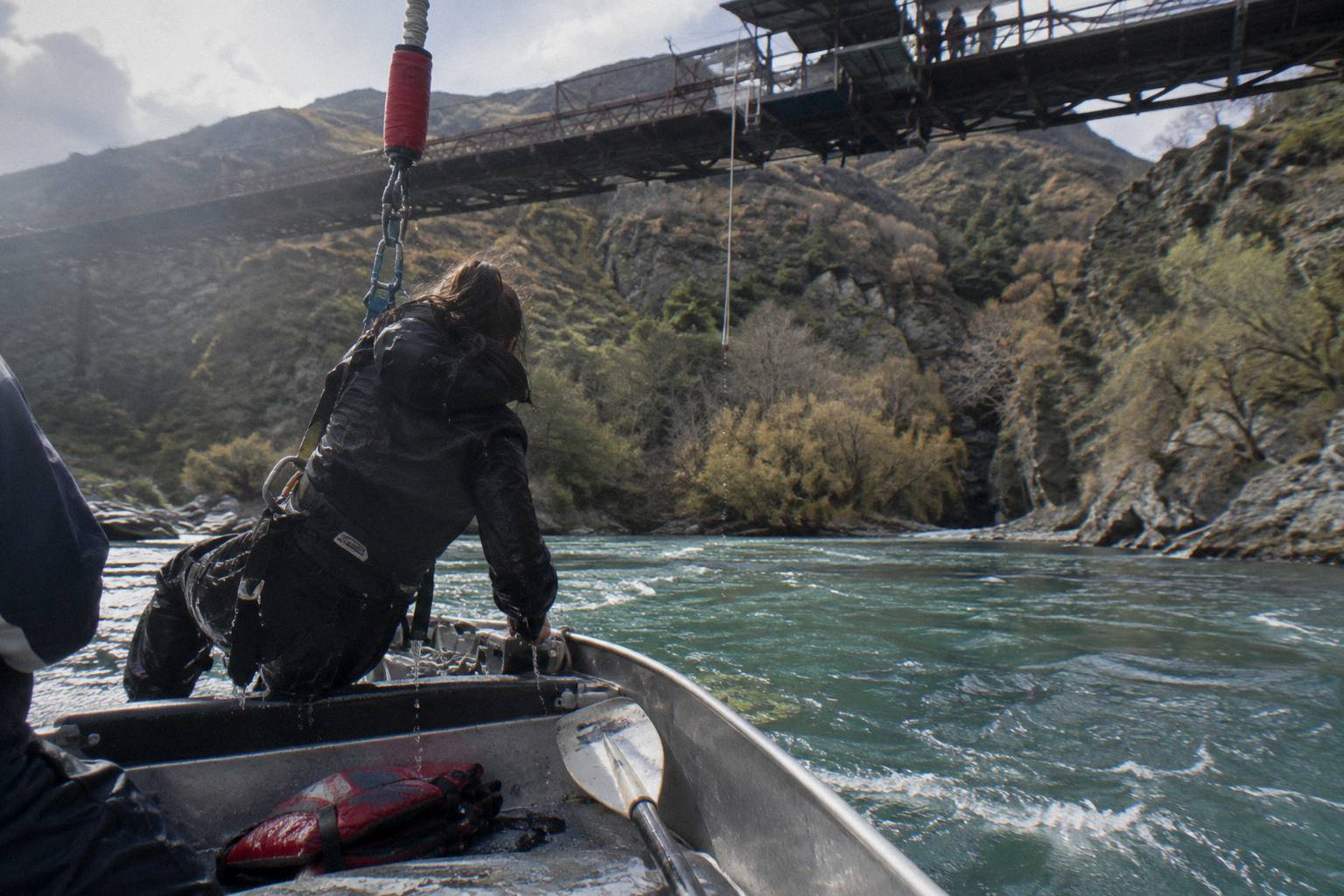
Two day-of rules are safety rules dressed as house rules. The drugs and alcohol ban, which the operator says it may enforce with testing, exists because impairment is a screening failure like any other. The glasses ban exists because loose objects and a 134 m drop do not mix; the prescription goggle alternative is the operator's answer. Neither rule is negotiable on the day, and both are cheaper to comply with than to argue with.
What a jumper cannot do on the day is opt out for free. Deciding not to jump is non-refundable, per the operator. That policy pushes the honest conversation to the booking stage, which is exactly where a hesitant reader should have it: declare the condition, ask the question, call 0800 286 4958, and let the operator's staff tell you what applies to your situation rather than guessing on a platform.
Which Queenstown Site Suits A Cautious First-Time Jumper
The two bookable sites screen differently, and that difference is the real choice: Kawarau takes jumpers from age 10 and 35 to 160 kg over a 43 m bridge with a boat recovery, while Nevis takes ages 13 and up, 45 to 127 kg, over a 134 m canyon from a cable-car pod. Neither is the "safe option"; both run under the same code of practice, so the decision is height, eligibility and how you want to travel there.
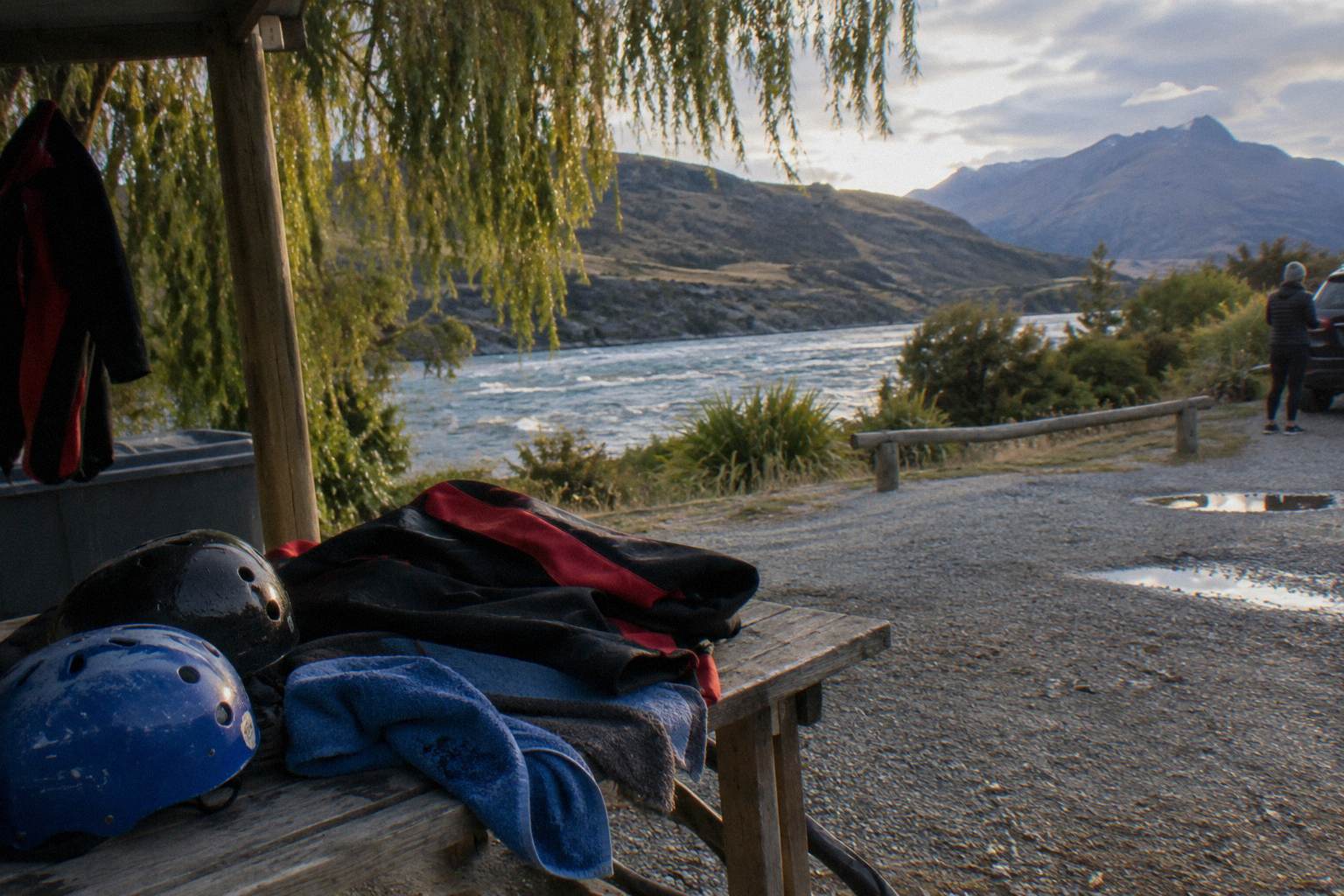
Kawarau is the original site, the one the operator calls the World Home of Bungy, opened in November 1988. It sits on SH6 in the Gibbston Valley, about 25 minutes from Queenstown, with free parking, free spectators, and a time budget of 1.5 hours self-drive or 2.5 hours on the free Bungy Bus. A cautious jumper with family in tow gets watching eyes at no cost. Nevis is on private land with no self-drive; the 4WD bus is included in the price, spectators pay NZD 50 (free under 10), and the jump is 134 m, which the operator calls the highest in New Zealand, with an 8.5 second plunge in its own figures.
| Factor | Kawarau Bridge Bungy | Nevis Bungy |
|---|---|---|
| Height | 43 m / 141 ft | 134 m / 439 ft |
| Minimum age | 10 | 13 |
| Weight range | 35 to 160 kg (130 kg in high river) | 45 to 127 kg |
| Recovery | Lowered to a boat | Lifted back to the platform |
| Jump platform | Historic bridge deck | Cable-car pod over the canyon |
| Getting there | Self-drive 1.5 h or free Bungy Bus 2.5 h | 4WD bus only, 45 min each way, about 3.5 to 4 h total |
| Spectators | Free | NZD 50 adult, free under 10 |
| Operator price from | NZD 320 adult, NZD 280 child | NZD 395 |
For many hesitant jumpers, Kawarau's lower height and the tandem option settle the nerves; the tandem rules, combined max 235 kg and at most 30 kg difference, are on the tandem bungy guide. Others prefer to commit once, at full height, and pair the jump with the swing in the Nevis Combo, Bungy & Swing, from NZD 620, which the operator says saves NZD 100 against booking the two separately. If the money question is the blocker rather than the safety question, the price guide covers every product and discount rule.
The combo layer is worth understanding even for a safety-minded reader, because it changes nothing about screening. A Nevis combo still requires ages 13 and up and 45 to 127 kg, the same limits as the single Nevis Bungy. The Kawarau Bungy & Swing Combo takes ages 10 and up and 35 to 150 kg. The operator's discount rule, NZD 50 off per activity for two or more activities nationwide, applies automatically as you add products, per its FAQ, and repeat customers get 20% off a future single activity.
Common Mistakes When Assessing Bungy Safety
The mistakes that trip people up are procedural, not physical: booking before checking the weight or age limits, not declaring a health condition, assuming the water touch or a specific jump time is guaranteed, and cancelling inside 24 hours expecting a refund. Every one of these is avoidable with a phone call or a careful read of the operator's FAQ before paying. Each mistake below maps to a rule the operator publishes.
| Mistake | What the operator's rule actually says |
|---|---|
| Not declaring a listed condition when booking | The crew must be told about the full health list at booking; osteoporosis, scoliosis and recent concussion need a doctor's certificate |
| Assuming the 160 kg Kawarau max is fixed | The solo max drops to 130 kg when the river is high; weather can change operating weight ranges |
| Expecting the water touch at Kawarau | It is an option, not a guarantee; it depends on river level and crew discretion |
| Turning up with glasses | Glasses cannot be worn; prescription safety goggles are available, which the safety page says are free of charge |
| Jumping the same day after drinking | No drugs or alcohol; the operator may test |
| Cancelling the day before | Under 24 hours, no-show and deciding not to jump are all non-refundable |
The deeper mistake is treating the safety question as something to resolve from reviews. A rating, even a 5.0 across 122 reviews, tells you about the experience, not the maintenance schedule. The verifiable safety story is the operator's own published layer: the code of practice it dates to 1990, the screening tables above, and the named channels, 0800 286 4958, +64 3 450 1300, or WhatsApp +64 3 450 2823, where staff answer condition-specific questions before you pay anything. Queenstown Bungy Jump exists to point readers at exactly those checkable rules rather than at reassurance.
A final, practical mistake is forgetting The Ledge. It is the operator's third Queenstown site, at the top of the Skyline Gondola, and it is reopening for summer 26/27, per the operator, with a waitlist and no price in its booking widget. It is not bookable now, and no reopening date is stated. Planning a trip around it, or comparing its 47 m height against the two bookable sites as if it were an option today, is a scheduling error rather than a safety one, but it lands the same way.
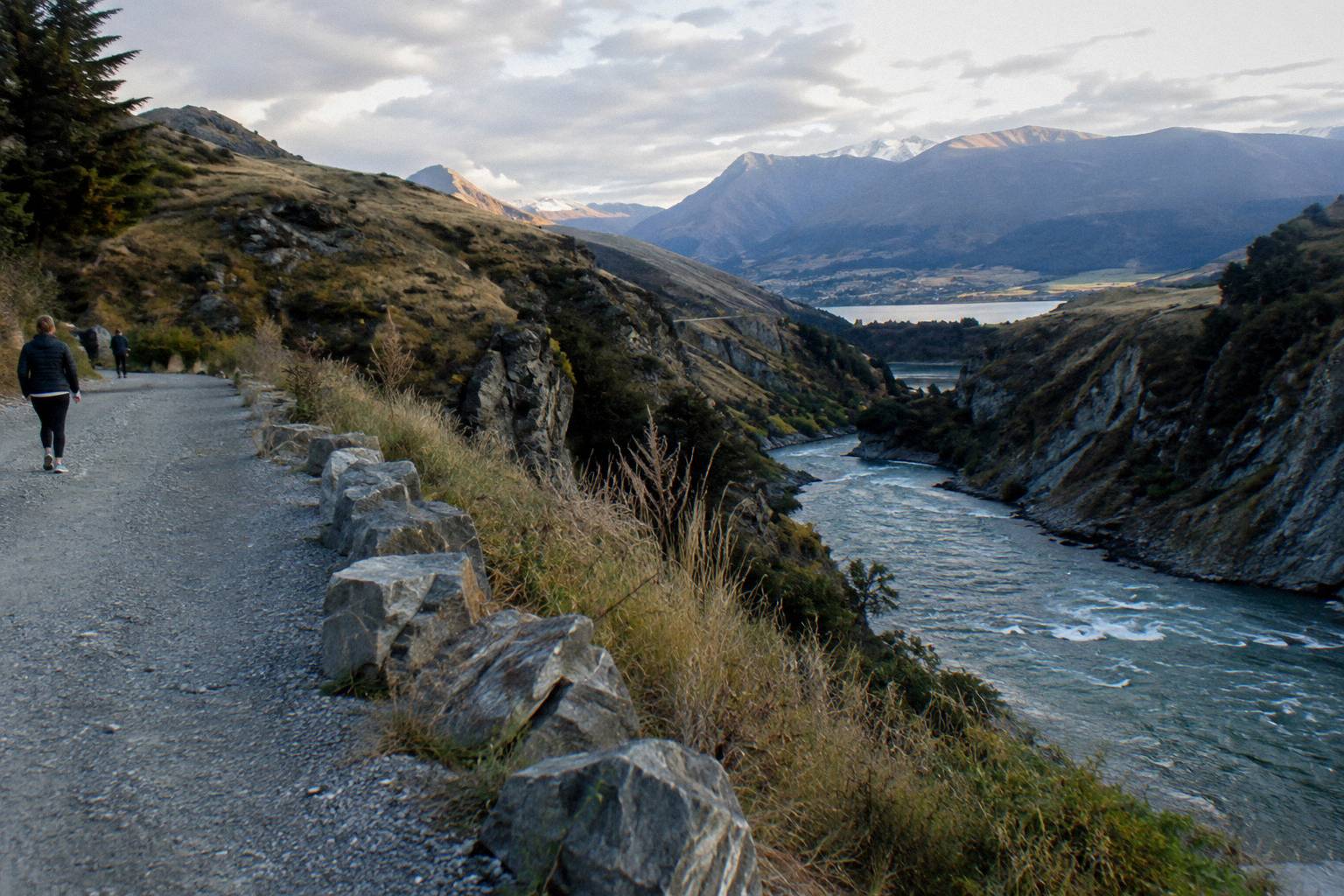
The Thrillogy, all three Nevis activities in one day, from NZD 805, is the far end of the commitment spectrum, and it screens exactly like the single Nevis Bungy: ages 13 and up, 45 to 127 kg. A reader still working through the safety question is probably not its buyer, but its existence shows how the screening layer stays constant as the products stack up, which is the quiet point of this whole guide.
Common Questions About Bungy Safety
Is Bungy Jumping Safe?
What can be verified is process, not statistics. The operator screens age, weight and health, runs from a code of practice it says was instigated in 1990 and is now an industry standard for Australia and New Zealand, and gives crews the final on-the-day call.
Is Bungy Jumping Safe In Queenstown?
One operator, AJ Hackett Bungy NZ, runs every Queenstown bungy under the same stated rules: ages 10 or 13 and up depending on site, weight ranges of 35 to 160 kg at Kawarau and 45 to 127 kg at Nevis, a published health declaration list, and crew assessment on the day.
Can You Bungy Jump With A Medical Condition?
It depends on the condition and the crew's decision. You must tell the crew about the operator's full list, from heart conditions and epilepsy to asthma, diabetes and recent sprains. Osteoporosis, scoliosis and recent concussion need a doctor's certificate. Check with your doctor and tell the crew when you book.
What Happens If The Weather Stops My Jump?
Per the operator, if weather or safety stops operation you can transfer to another activity, reschedule, or take a full refund. The operator runs in most weather including rain, and weather can change the operating weight ranges.
Is There A Weight Limit For Bungy Jumping?
Yes. Kawarau Bridge Bungy takes 35 to 160 kg solo or tandem, dropping to a 130 kg maximum when the river is high. Nevis products take 45 to 127 kg. Tandem at Kawarau has a combined 235 kg maximum with at most 30 kg difference between jumpers.
Does The Operator Have A Safety Record I Can Check?
The operator describes its own record as "spotless" and "impeccable", which is its marketing claim, not this site's finding. What you can check directly is its published code of practice, screening rules, health list and FAQ, or call 0800 286 4958 with a specific question before booking.