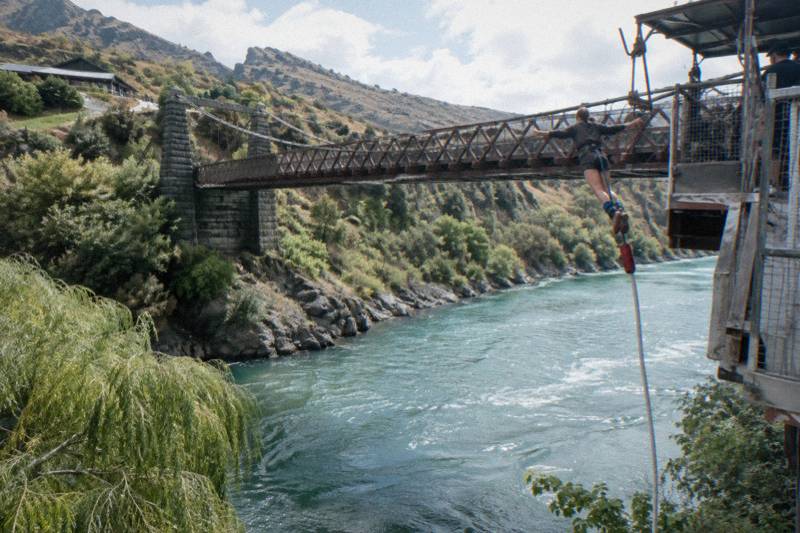
Is There Whiplash In Bungee Jumping?
The operator behind Queenstown's bungy jumps states nothing about whiplash. Here is what its official health list does say, who needs a doctor's certificate, and how to book with a neck concern.
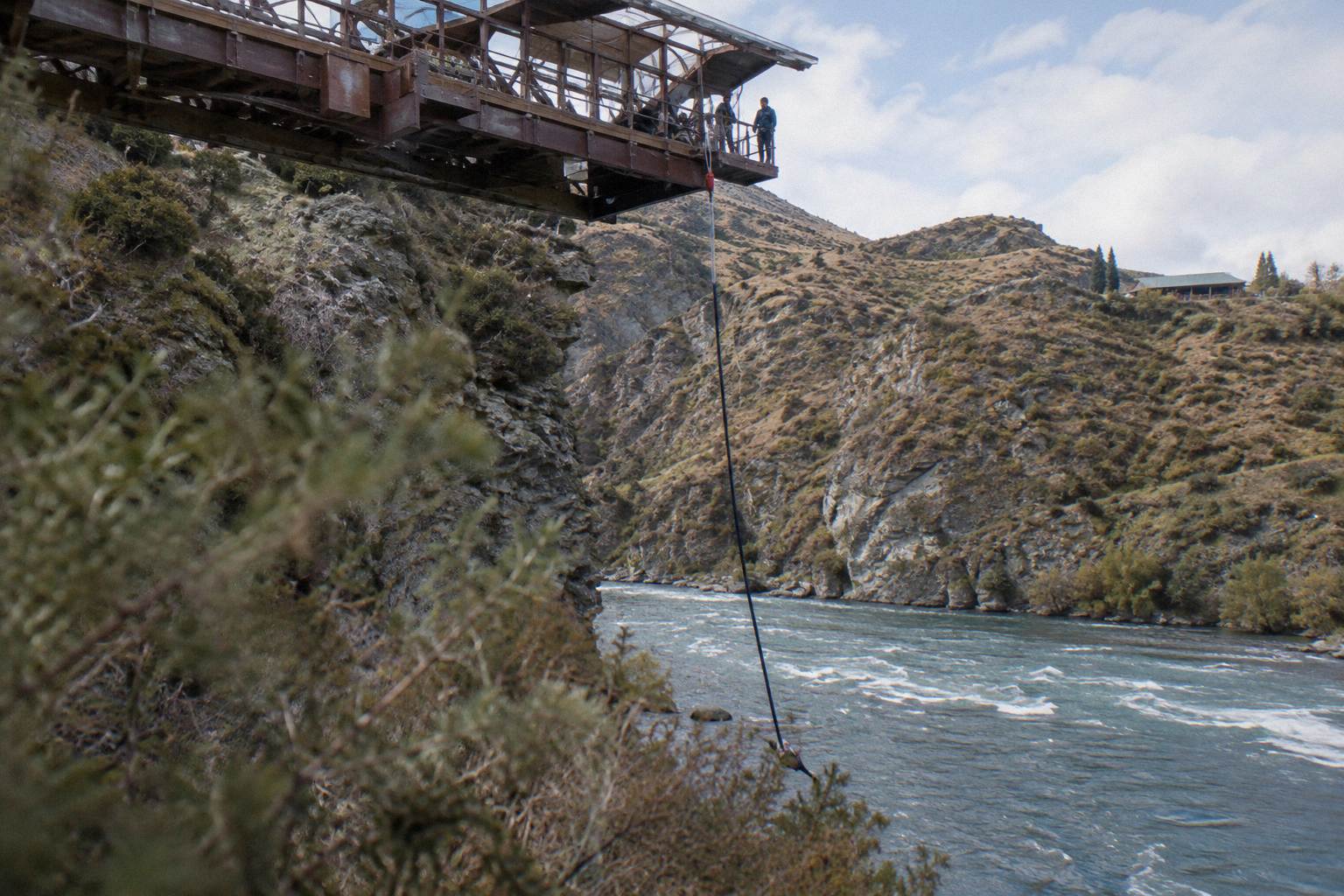
No clear published answer exists: AJ Hackett Bungy NZ, the operator behind Queenstown's bungy jumps, states nothing about whiplash anywhere on its official pages, and no statistic or claim about neck injury appears in its material. If a neck worry drives your question, the practical answer is simple: read the health checklist, tell the crew about past injuries, check with your doctor, and note a doctor's certificate is required for a few specific conditions.
The word whiplash itself never appears in the operator's safety or legal material. What appears instead is a list of conditions and recent injuries the operator asks you to disclose before jumping, and that list includes items a reader asking about whiplash will recognise as close neighbours: recent sprains or muscular injuries, dislocations, broken or fractured bones, fragile skin and neurological disorders. Those come straight from the operator's safety page and legal page, and they are the closest official guidance that exists on this question.
That gap matters. Plenty of online writing about bungee jumping fills the silence with confident claims about what the cord does to a neck, how the body loads at the bottom of the drop, and who should avoid the sport. None of that can be sourced back to the operator here, and this page's job is to report what the official pages actually say rather than to improvise physiology. The operator's own health rules are the decision tool, and they work well enough without speculation bolted on.
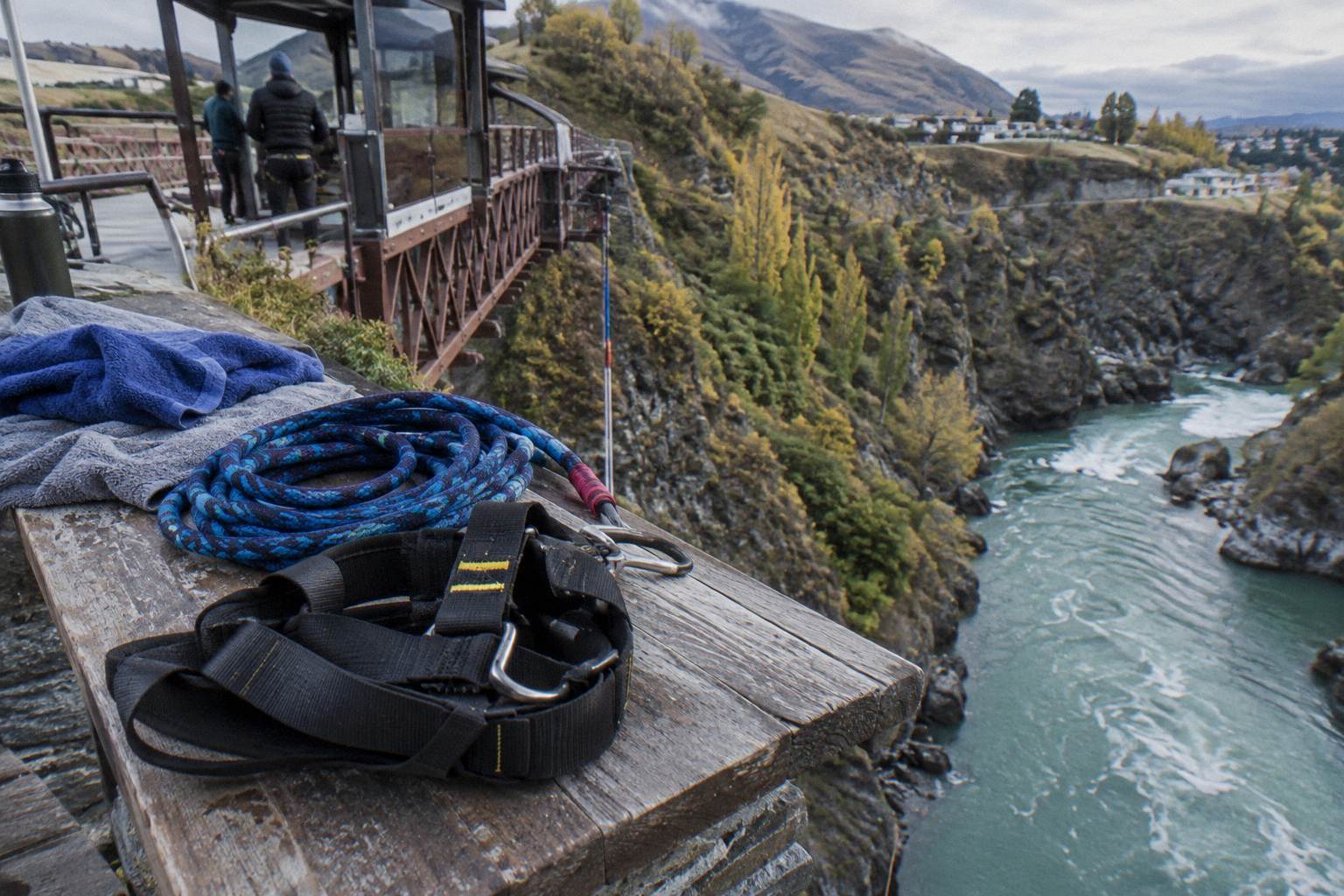
The distinction between "not stated" and "not a problem" is worth pinning down before anything else in this article. The operator does not state that whiplash occurs, and it equally does not state that it cannot. So every section below sticks to three things: what the operator's health list says, what its day-of mechanics are, and what a careful jumper with a neck question should actually do with that information.
What The Operator's Health List Actually Says
The operator requires every jumper to disclose a specific list of conditions to the crew before jumping: high or low blood pressure, heart conditions, epilepsy, high myopia, broken or fractured bones, dislocations, fragile skin, neurological disorders, diabetes, asthma, prosthetics, panic or anxiety attacks, and recent sprains or muscular injuries. Pregnancy and photosensitive epilepsy mean no jump at all, while osteoporosis, scoliosis and recent concussion require a doctor's certificate.
Notice how the list is built. It does not rank conditions by risk, does not explain what any condition does during a jump, and does not hand out verdicts. It simply names things the crew needs to know about, and leaves the medical judgement to medical people. "Recent sprains or muscular injuries" is the entry that matters most to anyone with a recent neck strain, because a neck question after an accident usually falls inside that wording. The operator does not define how recent "recent" is; ask directly on 0800 286 4958 or +64 3 450 1300, or via WhatsApp on +64 3 450 2823.
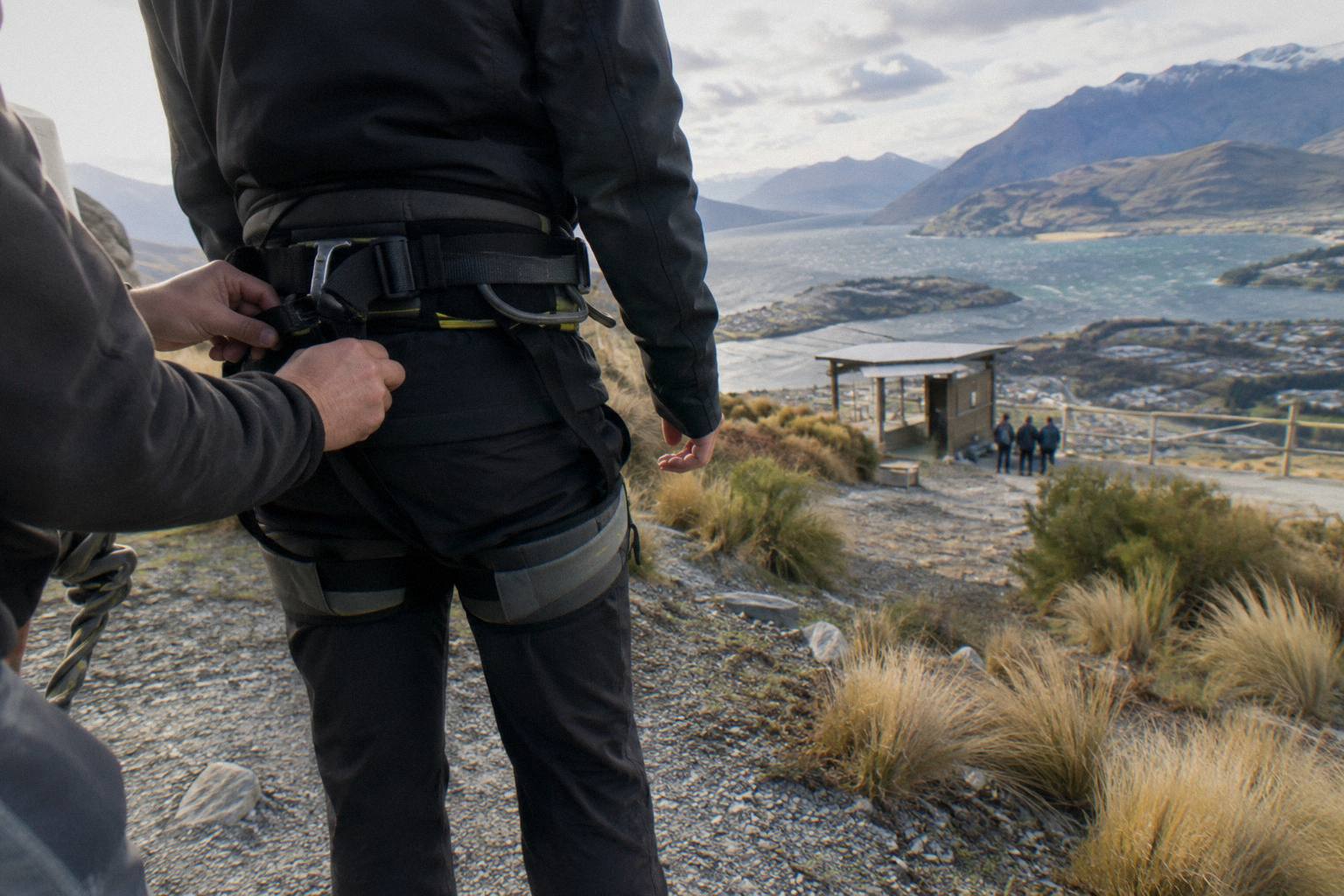
A few entries are hard stops rather than disclosures. Pregnancy and photosensitive epilepsy are stated as conditions that cannot take part. A doctor's certificate is required for osteoporosis, scoliosis and recent concussion, which means those conditions do not close the door, they just require paperwork. Everything else on the list is a "tell the crew" item, and the crew's discretion operates on the day. If you want the wording from the source, the operator's FAQ page and its legal page carry the health and participation rules verbatim.
Will You Get Checked On The Day?
Yes, in the sense that the crew assesses every jumper on the day, but the operator describes a disclosure process, not a medical examination. You declare conditions at booking and at check-in, the crew makes its participation call, and weather can change operating weight ranges, per the operator's FAQ. There is no stated physiotherapy screen, no neck range-of-motion test and no whiplash-specific check anywhere in the published material, so do not build a plan around one existing.
The system relies on you speaking up. That is the practical takeaway from the way the operator words its pages: the jumper declares, the crew decides. Two rules sit alongside the health list. No drugs or alcohol, and the operator may test. Glasses cannot be worn while jumping, though prescription safety goggles are available, and the operator's safety page says free of charge. Neither rule touches the whiplash question directly, but both are part of the same check-in conversation where you would raise a neck concern.
| Item on the operator's health list | What the operator asks you to do | Where it is stated |
|---|---|---|
| High or low blood pressure | Tell the crew | Safety and legal pages |
| Heart conditions | Tell the crew | Safety and legal pages |
| Epilepsy | Tell the crew | Safety and legal pages |
| High myopia | Tell the crew | Safety and legal pages |
| Broken or fractured bones | Tell the crew | Safety and legal pages |
| Dislocations | Tell the crew | Safety and legal pages |
| Fragile skin | Tell the crew | Safety and legal pages |
| Neurological disorders | Tell the crew | Safety and legal pages |
| Diabetes, asthma, prosthetics | Tell the crew | Safety and legal pages |
| Panic or anxiety attacks | Tell the crew | Safety and legal pages |
| Recent sprains or muscular injuries | Tell the crew | Safety and legal pages |
| Pregnancy, photosensitive epilepsy | Cannot take part | Safety and legal pages |
| Osteoporosis, scoliosis, recent concussion | Doctor's certificate required | Safety and legal pages |
One entry deserves its own sentence because readers trip over it. Recent concussion sits in the doctor's certificate group, not the disclosure group, so a head knock in the past weeks changes your paperwork, not just your check-in chat. For a fuller walk-through of the health rules as they apply to specific conditions, the companion piece on medical conditions and bungy jumping covers each entry in detail, and the guide to the operator's own safety record and rules covers the safety framework around them.
How A Queenstown Jump Works On The Body, Mechanically
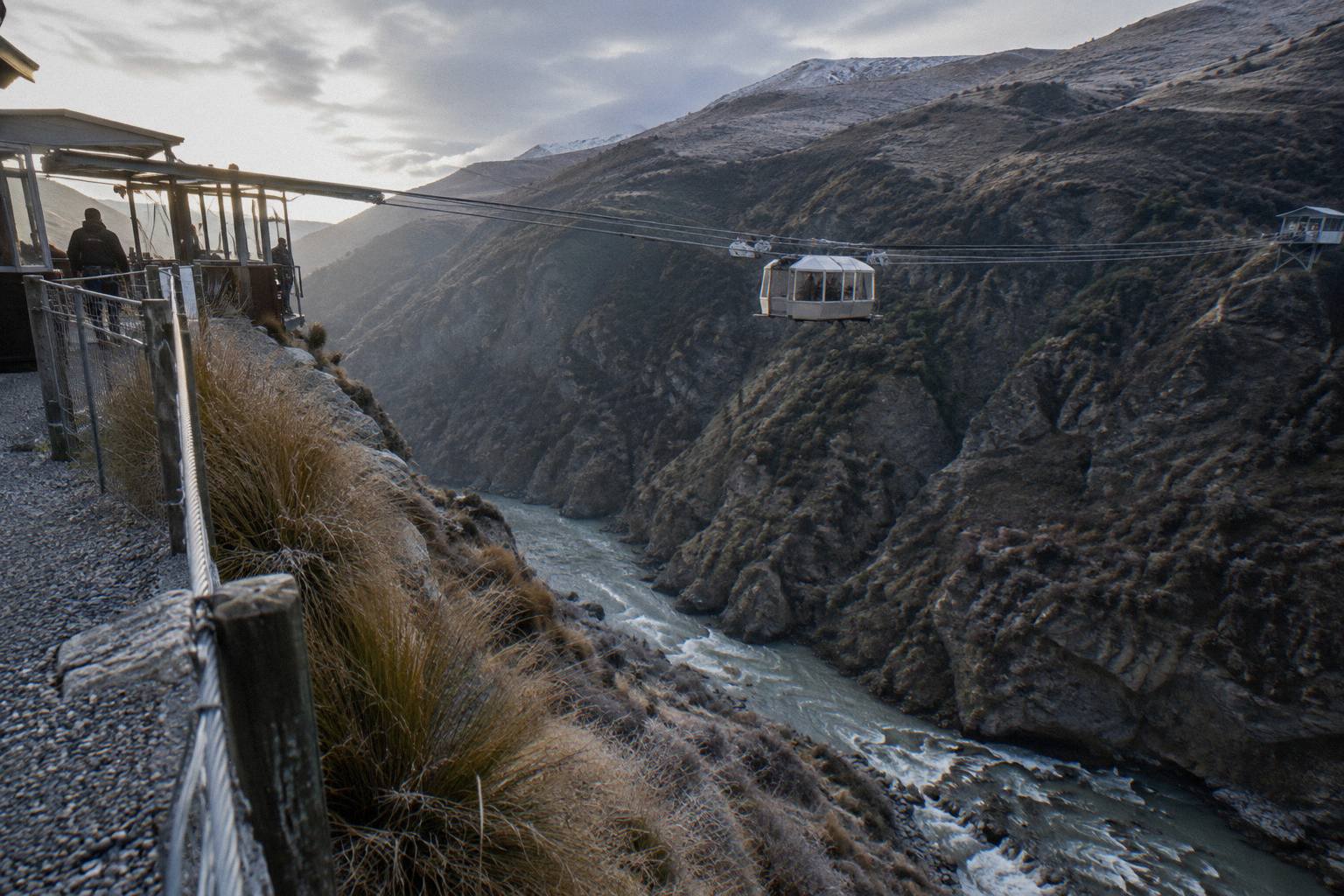
Mechanically, the operator describes two jump and recovery systems, and neither description mentions the neck. At Kawarau Bridge you are lowered to a boat in the river after the jump, while at Nevis and the Ledge you are lifted back up to the platform, and the Nevis jump is made from a cable car pod suspended over the canyon, an 8.5 second plunge in the operator's own figure for the drop.
Mechanics are the one place where the operator's pages are genuinely descriptive, and they are worth reading closely because they tell you what physically happens at the end of the drop without making any claim about strain. The cord, developed by AJ Hackett and Henry van Asch according to the company's own history, is the whole system: the operator's about-us page credits the pair with developing the bungy cord, and its safety page says its code of practice, instigated in 1990, is now an industry standard for Australia and New Zealand. Those are the operator's claims, reported as such.
“If you're in Queenstown, do this! You will NOT regret it. So glad I overcame any fears, thanks to the wonderful staff at AJ Hackett, and can say I've bungy jumped off the highest ledge in New Zealand.”
The recovery difference is the detail most first-time jumpers miss. Being lowered into a boat at Kawarau and being winched back to a platform at Nevis are different endings to the same jump, and both are described by the operator without any reference to jolting, snapping or neck loading. How the cord itself works, the harness types and the stretch behaviour as far as the operator describes them, are covered in the guide to how the bungy cord and harness work.
The tandem option at Kawarau adds one more mechanical wrinkle worth knowing about. Two people can jump together at 43 m, with a combined maximum weight of 235 kg and a weight difference of at most 30 kg between them, per the operator's stated limits. Nothing in the tandem description refers to the neck either, but a tandem jump is a different physical experience from a solo one, and it is exactly the kind of thing to raise with the crew if your question is body-load related.
| Queenstown jump | Height (operator's figures) | How you are recovered | Freefall seconds stated |
|---|---|---|---|
| Kawarau Bridge Bungy | 43 m / 141 ft | Lowered to a boat | Not stated |
| Nevis Bungy | 134 m / 439 ft | Lifted back to the platform | 8.5 seconds (operator figure) |
| The Ledge Bungy | 47 m / 154 ft | Lifted back to the platform | Not stated |
The Ledge row comes with a catch. That site is reopening for summer 26/27, per the operator, with a waitlist and no price in its booking widget, so treat it as context only: no Ledge jump can be booked now, and no reopening date is stated. The two bookable families are Kawarau and Nevis, and their limits never cross over: Kawarau takes jumpers aged 10 and over from 35 to 160 kg, while Nevis takes ages 13 and over from 45 to 127 kg. Those ranges are in the operator's pages and are the ones the crew assesses on the day.
Which Jump Should You Choose With A Neck Question?
Choose based on what your doctor says and what you tell the crew, not on height. The operator's health list applies identically at Kawarau and Nevis, and nothing in its published material suggests one jump is gentler than the other on any part of the body. The 43 m Kawarau Bridge jump runs from NZD 320 adult, from NZD 280 child, and the 134 m Nevis jump from NZD 395, with about 3.5 to 4 hours for the Nevis trip and 1.5 hours self-drive or 2.5 hours by bus for Kawarau.
“Amazing experience all around. The staff were fantastic and the pictures and videos they capture are incredible!”
If a smaller first jump appeals as a confidence step, Kawarau is the lower number and the operator's preferred Queenstown site for more severe mobility impairment, with participation still at the operator's discretion. If the full commitment is the point, the Nevis jump is the one the operator calls the highest in New Zealand. Both include photos, video with instant delivery to your device, and an activity t-shirt when you book direct, per the operator's FAQ. A doctor's guidance sits above all of this: the operator's own wording leaves medical judgement to medical people, and the only advice this page adds beyond its list is check with your doctor and tell the crew when you book.
For readers whose real hesitation is the jerk of the rebound rather than a diagnosed condition, the swing offers a different ride shape. The Nevis Swing carries riders through a 300 m / 984 ft arc, which the operator calls the Most Famous Swing in the World, and a combo pairs it with the Nevis bungy from NZD 620, which the operator says saves NZD 100. The swing is a secondary offer on its own, so the bookable product is the combo, and the same health list applies. Sibling reading on the experience side includes the post on whether bungee jumping is bad for your brain, which applies the same nothing-invented-here discipline to a neighbouring question.
Common Mistakes When Booking With A Neck Worry
The recurring mistakes are guessing instead of asking, hiding an injury to avoid embarrassment, reading forum posts as medical advice, and treating the 24 hour cancellation window as room to decide on the day, even though backing out after check-in is non-refundable. Jumpers assume a recent strain disqualifies them, or say nothing, when disclosure is exactly what the crew needs; one phone call before booking fixes all four.
Start with the disclosure mistake because it cuts both ways. The operator's list says "tell the crew", not "you cannot jump", for recent sprains or muscular injuries. A jumper with a neck strain from six weeks ago may well be fine to jump, but that call belongs to the crew and, before them, to a doctor. Guessing in either direction is the error: guessing yourself out of a jump you were cleared for, or guessing yourself into one you were not.
“Bought the experience for my 17 year old son. The staff were very professional, friendly and ensured he absolutely loved it. So much so, he went out and booked the 134m bungy immediately after he finished.”
The cancellation mistake costs real money. Cancel or change more than 24 hours before your slot and it is fully refundable, minus a 1.99% card fee that is non-refundable, per the operator's legal and FAQ pages. Inside 24 hours, a no-show, or deciding not to jump on the day, and it is non-refundable. So the neck conversation, the doctor's certificate if one is needed, and any crew questions all belong before that 24 hour line, not at the platform. Weather is the exception the operator itself covers: if weather or safety stops the operation, you can transfer, reschedule or take a full refund.
| Mistake | What goes wrong | The operator's actual rule |
|---|---|---|
| Not disclosing a recent neck or muscle injury | Crew cannot assess you properly | Tell the crew about recent sprains or muscular injuries |
| Treating forum claims as official | Expectations built on unsourced physiology | The operator states nothing about whiplash |
| Waiting until the platform to raise a condition | Non-refundable decision point | Decide not to jump is non-refundable; inside 24 hours is non-refundable |
| Booking without needed paperwork | Turned away at check-in | Doctor's certificate for osteoporosis, scoliosis, recent concussion |
| Assuming peak-season slots wait | Summer Nevis slots fill | Operator advises booking Nevis 4 to 6 weeks ahead in summer |
Timing deserves the last word in this section. Peak season runs 15 December to 15 January, with the busiest days 30 December to 2 January, and the operator advises booking the Nevis Bungy 4 to 6 weeks ahead in summer; outside peak, about 48 hours is usually enough. A jumper who needs a doctor's certificate first should add that lead time on top, since the certificate has to exist before check-in. Payment options are broad, from Visa and Mastercard to Afterpay, and photo ID is required.
Where To Book And What Direct Booking Includes
Book through the tour page or the operator directly, and know that booking direct includes photos, video and an activity t-shirt, per the operator's FAQ, which also runs a best price guarantee: contact the operator before booking if you find a cheaper live price and it will match it. This page's featured jump, the 134m Bungy, New Zealand's Biggest, is rated 5.0 across 122 reviews, takes about 3.5 to 4 hours door to door, and is priced from NZD 395. See the Nevis 134 m bungy tour page for live dates and availability.
“One of the best experiences of my young life. You must attempt this. Frightening in its own right. What an adrenaline high!”
The repeat-customer and multi-activity discounts are also worth knowing before you pay. Two or more activities nationwide, excluding the Zipride, take NZD 50 off per activity; three or more take NZD 70 off per activity; repeat customers get 20% off a future single activity, excluding combos and the Zipride. Combos already carry built-in savings, such as the Nevis Thrillogy at NZD 805, which the operator says saves NZD 210 across bungy, swing and catapult. For a first-time jumper with a health question, though, the booking order is: doctor if needed, crew disclosure, then payment, and the operator's contact numbers above are the fastest route to step two.
One closing note on sources. Everything health-related in this article comes from the operator's published safety, legal and FAQ pages, and the operator is the only bungy operator found in Queenstown. Where its pages are silent, this page says so and stops. That is the honest version of the answer to this question, and it is more useful than an invented statistic, because it tells you exactly who to call next.
For planning around the jump itself, Queenstown Bungy Jump exists for exactly this: heights, prices, eligibility and the day-of mechanics for every bookable jump, gathered in one place.
Common Questions About Whiplash In Bungey Jumping
Is There Whiplash In Bungee Jumping?
The operator states nothing about whiplash anywhere in its official material: no claim it occurs and no claim it cannot. Its health list asks you to tell the crew about recent sprains or muscular injuries, dislocations and broken bones, and the only advice it gives beyond its list is to check with your doctor and tell the crew when you book.
Can I Bungee Jump With A Recent Neck Injury?
Not stated as a yes or no. A recent neck strain most likely falls under the operator's "recent sprains or muscular injuries" entry, which is a disclose-to-the-crew item rather than a ban. Ask the operator on 0800 286 4958 and check with your doctor before booking.
Do I Need A Doctor's Certificate To Bungee Jump?
Only for the three stated conditions: osteoporosis, scoliosis and recent concussion. Everything else on the operator's health list is a disclosure you make at booking and check-in, and pregnancy and photosensitive epilepsy are stated as conditions that cannot take part.
Is The Higher Nevis Jump Harder On The Body Than Kawarau?
The operator makes no such comparison. It states a 134 m / 439 ft drop with an 8.5 second plunge at Nevis and 43 m / 141 ft at Kawarau, but nothing in its published material claims one is harder on any part of the body than the other, and the same health list applies at both sites.
What Happens If I Decide Not To Jump On The Day?
Deciding not to jump is non-refundable, per the operator's rules, as is cancelling inside 24 hours. Cancel or change more than 24 hours ahead and it is fully refundable minus the non-refundable 1.99% card fee. If weather or safety stops the operation, the operator offers a transfer, reschedule or full refund.
Where Do I Raise A Health Question Before Booking?
Call the operator on 0800 286 4958, +64 3 450 1300, or WhatsApp +64 3 450 2823. The health rules are published on the operator's safety, legal and FAQ pages, and the crew's participation call happens on the day, so the disclosure conversation should happen before you pay.